Kirjojen hintavertailu. Mukana 12 390 323 kirjaa ja 12 kauppaa.

Kirjailija

Murray Pomerance

Kirjat ja teokset yhdessä paikassa: 34 kirjaa, julkaisuja vuosilta 2008-2026, suosituimpien joukossa An Eye for Hitchcock. Vertaile teosten hintoja ja tarkista saatavuus suomalaisista kirjakaupoista.

34 kirjaa

Kirjojen julkaisuhaarukka 2008-2026.

Tropic of Cinema

Tropic of Cinema

Murray Pomerance

BLOOMSBURY PUBLISHING PLC
2026
sidottu
Tropic of Cinema is a collection of 50 meditations on “the cinema experience,” and the viewer’s experience with its grammar and grammatical modulations, understood at once in aesthetic, philosophical, historical, political, and other registers. This book is an inspired reflection on cinematic tropes and tropics on codes, rules, and their variations. It draws on the American transcendental tradition, as well as the existentialism of Sartre, while at the same time stepping beyond these thinkers to consider what is often overlooked in in cinema studies, namely, our experience of watching. Tropic of Cinema follows in the tradition of an extended study of the cinema experience by Pomerance, including: Virtuoso (2019); The Film Cheat (2020); Uncanny Cinema (2022); Edge of the Screen (2024); and Light Thoughts (2026). This volume has three movements, and all of the essays stand upon a multidisciplinary theoretical ground including philosophy of cinema, aesthetics, sociology, and more.

Light Thoughts

Light Thoughts

Murray Pomerance

BLOOMSBURY PUBLISHING PLC
2026
sidottu
Light Thoughts is about the interaction of thought between the spectator and the film in cinema; not just a matter of describing the play of a film as a thought process, but rather of formulating ideas about this interaction through detailed analysis of what is actually seen and heard in the cinema. The chapters include explorations of: gaffes in performance, harmonized activity, and so-called “unison” action; the sale of gender roles and attitudes surreptitiously; the viewer’s way of (relentlessly) traveling forward through film; human gesture and the variant forms of comprehension it inspires; the cinematic onlooker—she who sees another person onscreen while we watch her seeing without knowing in any way how and what she takes in; the editorial technique of making the viewer wait for an explanation of what is being seen now; to long discussions of Antonioni, pointing to his camera movement in space and our affiliation with it; the problem of secrecy in cinematic narrative; the function and variability of the close-up insert; the problem of reading the image and handing the obvious; various confusions of narrative time; surveillance, doubt, and point of view; expression, meaning, and the face; and much more. This book offers a series of original analyses of techniques used in films, which function as the basis for enhancing our understanding of cinema – if not as a medium specifically, then certainly as a medium used for telling stories and conveying the complexities of human character.
An Eye for Hitchcock

An Eye for Hitchcock

Murray Pomerance

STATE UNIVERSITY OF NEW YORK PRESS
2024
pokkari
A series of fascinating and groundbreaking meditations on six films directed by the legendary Alfred Hitchcock. Film scholar Murray Pomerance presents a series of fascinating and groundbreaking meditations on six films directed by the legendary Alfred Hitchcock, a master of the cinema. Two of the films, North by Northwest and Vertigo, are extraordinarily famous and have been seen––and misunderstood––countless times. Two others, Marnie and Torn Curtain, have been mostly disregarded by viewers and critics or considered to be colossal mistakes, while the remaining two, Spellbound and I Confess, have received almost no critical attention at all. Here in a twentieth-anniversary edition, with a new preface, An Eye for Hitchcock-the first volume of the Hitchcock Quartet (which includes A Dream of Hitchcock, A Voyage with Hitchcock, and A Silence from Hitchcock)-examines these movies under a bold new light. Pomerance takes us deep into the structure of Hitchcock's vision and his screen architecture, revealing key elements that have never been written about before. Pomerance also clearly reveals the link between Hitchcock's work and a wide range of thinkers and artists in other fields, thereby offering viewers of Hitchcock's films the rare opportunity to see them afresh and with new excitement.
An Eye for Hitchcock

An Eye for Hitchcock

Murray Pomerance

STATE UNIVERSITY OF NEW YORK PRESS
2024
sidottu
A series of fascinating and groundbreaking meditations on six films directed by the legendary Alfred Hitchcock. Film scholar Murray Pomerance presents a series of fascinating and groundbreaking meditations on six films directed by the legendary Alfred Hitchcock, a master of the cinema. Two of the films, North by Northwest and Vertigo, are extraordinarily famous and have been seen––and misunderstood––countless times. Two others, Marnie and Torn Curtain, have been mostly disregarded by viewers and critics or considered to be colossal mistakes, while the remaining two, Spellbound and I Confess, have received almost no critical attention at all. Here in a twentieth-anniversary edition, with a new preface, An Eye for Hitchcock-the first volume of the Hitchcock Quartet (which includes A Dream of Hitchcock, A Voyage with Hitchcock, and A Silence from Hitchcock)-examines these movies under a bold new light. Pomerance takes us deep into the structure of Hitchcock's vision and his screen architecture, revealing key elements that have never been written about before. Pomerance also clearly reveals the link between Hitchcock's work and a wide range of thinkers and artists in other fields, thereby offering viewers of Hitchcock's films the rare opportunity to see them afresh and with new excitement.
The Biggest Thing in Show Business

The Biggest Thing in Show Business

Murray Pomerance; Matthew Solomon

STATE UNIVERSITY OF NEW YORK PRESS
2024
pokkari
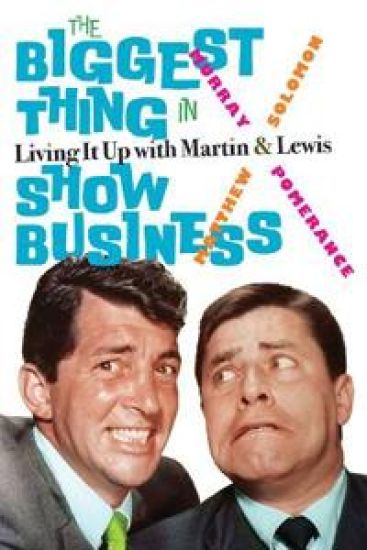
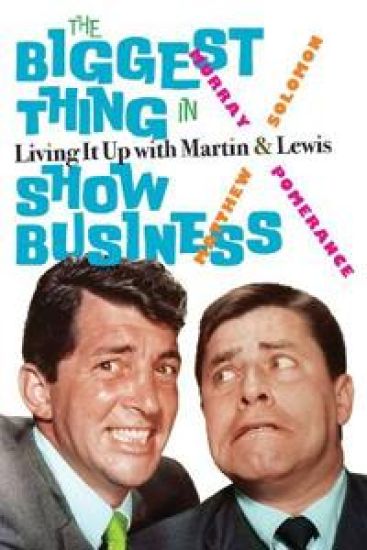
A freewheeling, nonlinear exploration of the performing duo and their decade-long collaboration from 1946 to 1956.From 1946 to 1956, Dean Martin and Jerry Lewis provoked audiences into rollicking laughter as they shook up and delighted a culture they both mediated and made fun of. Using the duo's phenomenal popularity as a starting point, The Biggest Thing in Show Business looks askance at postwar America with a fast-moving sweep, jam-packed with unexpected connections, revealing details, and surprising insights. Aiming to be as unconventional as their subjects, Murray Pomerance and Matthew Solomon enact a highly spontaneous and up-to-the-minute approach to coauthorship that re-establishes the importance of Martin & Lewis in the cultural pantheon. As a result, the book's structure, methodology, and writing style are thoroughly dialogic and firmly opposed to stale convention.
The Biggest Thing in Show Business

The Biggest Thing in Show Business

Murray Pomerance; Matthew Solomon

STATE UNIVERSITY OF NEW YORK PRESS
2024
sidottu
A freewheeling, nonlinear exploration of the performing duo and their decade-long collaboration from 1946 to 1956.From 1946 to 1956, Dean Martin and Jerry Lewis provoked audiences into rollicking laughter as they shook up and delighted a culture they both mediated and made fun of. Using the duo's phenomenal popularity as a starting point, The Biggest Thing in Show Business looks askance at postwar America with a fast-moving sweep, jam-packed with unexpected connections, revealing details, and surprising insights. Aiming to be as unconventional as their subjects, Murray Pomerance and Matthew Solomon enact a highly spontaneous and up-to-the-minute approach to coauthorship that re-establishes the importance of Martin & Lewis in the cultural pantheon. As a result, the book's structure, methodology, and writing style are thoroughly dialogic and firmly opposed to stale convention.
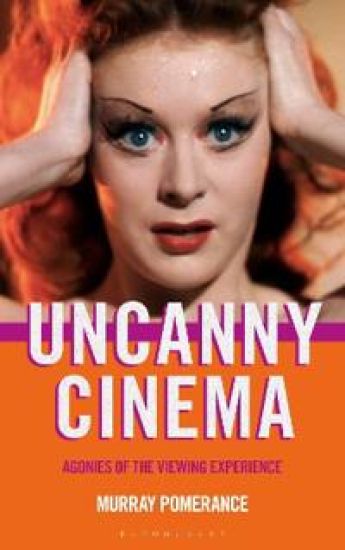
Uncanny Cinema

Uncanny Cinema

Murray Pomerance

BLOOMSBURY PUBLISHING PLC
2023
nidottu
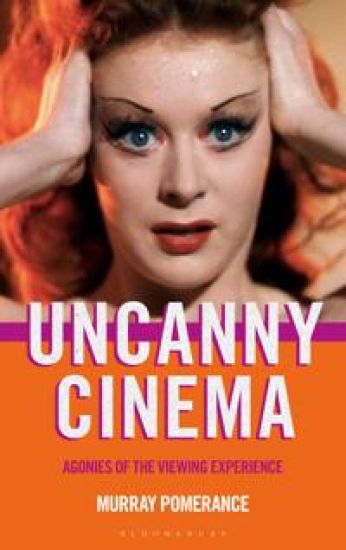
Murray Pomerance's latest book explores an encyclopedic range of films and television shows to demonstrate the difficulty of conveying the experience of viewing cinema through words and the medium of text. From On the Waterfront to Marriage Story, Uncanny Cinema illuminates that words and writing are in perilous waters when applied to cinema, similar to ungestured talk. The book begins with this problem using Julian Jaynes’s thoughts on vocality and imagination before delving into three exploratory ‘movements’ arranged to alternately challenge, inspire, and confound the reader to question if we know what we think we know or even see what we think we see. The viewer is faced with disturbances, ruptures, and surprises that occur during the viewing experience, which Pomerance analyzes to stretch the sense of what we do and do not (or, possibly, cannot) know, particularly as we think, talk, and write about cinema.
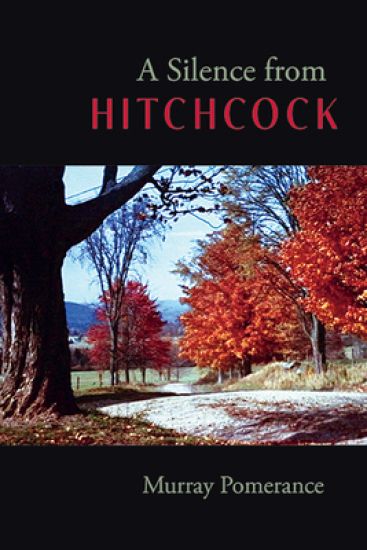
A Silence from Hitchcock

A Silence from Hitchcock

Murray Pomerance

STATE UNIVERSITY OF NEW YORK PRESS
2023
pokkari
Extensive meditations on silence in the films of Alfred Hitchcock.In A Silence from Hitchcock, Murray Pomerance explores the resonating power of silence in the director's work-its variation, its haunting temptation, and its technical power. Working from a meditative devotion to and an illuminating familiarity with the director's work, Pomerance shines light upon six films, some of them (Notorious, The Lady Vanishes, and The Trouble with Harry) frequently, even obsessively treated, and others (Frenzy, The Wrong Man, and Topaz) less often discussed. In its strange relation to speech, memory, urbanity, guilt, mortality, and espionage, silence becomes, in these films, a dramatic protagonist in its own right. Written by a master interpreter of Hitchcock, this book offers new ways of seeing, experiencing, and thinking about the films of one of cinema's greatest artists, as well as new ways of reflecting on our experience of cinema itself.
Color It True

Color It True

Murray Pomerance

BLOOMSBURY PUBLISHING PLC
2023
nidottu
This often-startlingly original book introduces a new way of thinking about color in film as distinct from existing approaches which tend to emphasize either technical processes and/or histories of film coloration, or the meaning(s) of color as metaphor or symbol, or else part of a broader signifying system. Murray Pomerance’s latest meditation on cinema has the author embed himself in various ways of thinking about color; not ways of framing it as a production trick or a symbolic language but ways of wondering how the color effect onscreen can work in the act of viewing. Pomerance examines many issues, including acuity, dreaming, interrelationships, saturations, color contrasts, color and performance (color as a performance aid or even performance substitute), and more. The lavender of the photographer’s seamless in Antonioni’s Blow-Up taken in itself as an explosion of color worked into form, and then considered both as part of the story and part of our experience. The 14 chapters of this book each discuss a single primary color as regards to our experience of cinema. After opening the idea of such an exploration in terms of the history of our apperception and the variation in our experience that color germinates, Color it True takes form.
A Silence from Hitchcock

A Silence from Hitchcock

Murray Pomerance

STATE UNIVERSITY OF NEW YORK PRESS
2023
sidottu
Extensive meditations on silence in the films of Alfred Hitchcock.In A Silence from Hitchcock, Murray Pomerance explores the resonating power of silence in the director's work-its variation, its haunting temptation, and its technical power. Working from a meditative devotion to and an illuminating familiarity with the director's work, Pomerance shines light upon six films, some of them (Notorious, The Lady Vanishes, and The Trouble with Harry) frequently, even obsessively treated, and others (Frenzy, The Wrong Man, and Topaz) less often discussed. In its strange relation to speech, memory, urbanity, guilt, mortality, and espionage, silence becomes, in these films, a dramatic protagonist in its own right. Written by a master interpreter of Hitchcock, this book offers new ways of seeing, experiencing, and thinking about the films of one of cinema's greatest artists, as well as new ways of reflecting on our experience of cinema itself.
Uncanny Cinema

Uncanny Cinema

Murray Pomerance

BLOOMSBURY PUBLISHING PLC
2022
sidottu
Murray Pomerance's latest book explores an encyclopedic range of films and television shows to demonstrate the difficulty of conveying the experience of viewing cinema through words and the medium of text. From On the Waterfront to Marriage Story, Uncanny Cinema illuminates that words and writing are in perilous waters when applied to cinema, similar to ungestured talk. The book begins with this problem using Julian Jaynes’s thoughts on vocality and imagination before delving into three exploratory ‘movements’ arranged to alternately challenge, inspire, and confound the reader to question if we know what we think we know or even see what we think we see. The viewer is faced with disturbances, ruptures, and surprises that occur during the viewing experience, which Pomerance analyzes to stretch the sense of what we do and do not (or, possibly, cannot) know, particularly as we think, talk, and write about cinema.
Color It True

Color It True

Murray Pomerance

Bloomsbury Academic USA
2022
sidottu
This often-startlingly original book introduces a new way of thinking about color in film as distinct from existing approaches which tend to emphasize either technical processes and/or histories of film coloration, or the meaning(s) of color as metaphor or symbol, or else part of a broader signifying system. Murray Pomerance’s latest meditation on cinema has the author embed himself in various ways of thinking about color; not ways of framing it as a production trick or a symbolic language but ways of wondering how the color effect onscreen can work in the act of viewing. Pomerance examines many issues, including acuity, dreaming, interrelationships, saturations, color contrasts, color and performance (color as a performance aid or even performance substitute), and more. The lavender of the photographer’s seamless in Antonioni’s Blow-Up taken in itself as an explosion of color worked into form, and then considered both as part of the story and part of our experience. The 14 chapters of this book each discuss a single primary color as regards to our experience of cinema. After opening the idea of such an exploration in terms of the history of our apperception and the variation in our experience that color germinates, Color it True takes form.
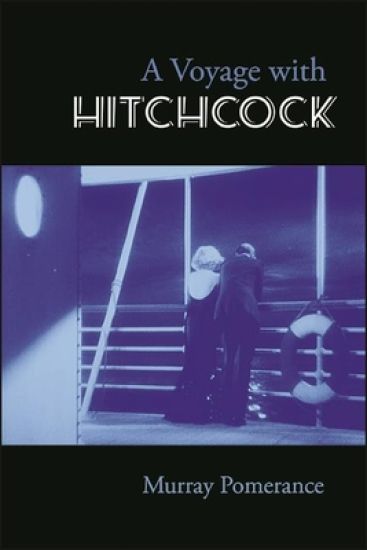
A Voyage with Hitchcock

A Voyage with Hitchcock

Murray Pomerance

STATE UNIVERSITY OF NEW YORK PRESS
2022
pokkari
Extensive meditations on the theme of the voyage in six Hitchcock films: Psycho, The 39 Steps, The Birds, Dial M for Murder, Rich and Strange, and Suspicion.Following from An Eye for Hitchcock and A Dream for Hitchcock, this third volume of reflections upon Alfred Hitchcock's work gives extensive meditations on six films: Psycho, The 39 Steps, The Birds, Dial M for Murder, Rich and Strange, and Suspicion. Murray Pomerance's sources come from a wide territory of interest, including production study, philosophy, cultural history, and more. The book is written as an homage to, and in many ways address to, not only the story content of these films but, more importantly, their overall filmic texture, which involves compositions, visual nuances, sounds, rhythms, and Hitchcock's unique treatments of human experience. The voyage theme plays a key-and moving-role in all the films discussed here.
A Voyage with Hitchcock

A Voyage with Hitchcock

Murray Pomerance

State University of New York Press
2021
sidottu
Extensive meditations on the theme of the voyage in six Hitchcock films: Psycho, The 39 Steps, The Birds, Dial M for Murder, Rich and Strange, and Suspicion.Following from An Eye for Hitchcock and A Dream for Hitchcock, this third volume of reflections upon Alfred Hitchcock's work gives extensive meditations on six films: Psycho, The 39 Steps, The Birds, Dial M for Murder, Rich and Strange, and Suspicion. Murray Pomerance's sources come from a wide territory of interest, including production study, philosophy, cultural history, and more. The book is written as an homage to, and in many ways address to, not only the story content of these films but, more importantly, their overall filmic texture, which involves compositions, visual nuances, sounds, rhythms, and Hitchcock's unique treatments of human experience. The voyage theme plays a key-and moving-role in all the films discussed here.
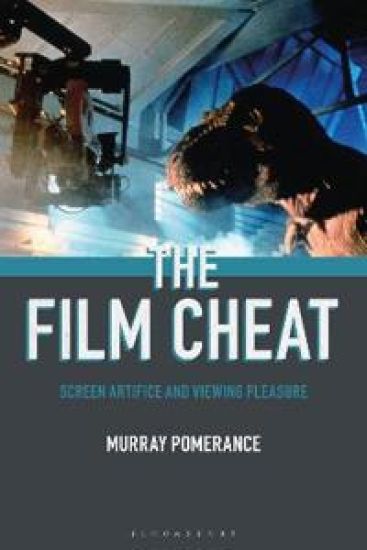
The Film Cheat

The Film Cheat

Murray Pomerance

Bloomsbury Academic USA
2020
nidottu
Murray Pomerance, venerated film scholar, is the first to take on the 'cheat' in film, where 'cheating' constitutes a collection of production, performance, and structuring maneuvers intended to foster the impression of a screen reality that does not exist as presented. This usually calls for a suspension of disbelief in the viewer, but that rests on the assumption that disbelief is problematic for viewership, and that we must find some way to “suspend” or “disconnect” it in order to allow for the entertainment of the fiction in its own terms. The Film Cheat explores forty-five aspects of the 'cheat,' analyzing classic films such as Singin’ in the Rain and Chinatown, to more contemporary films like The Revenant and Baby Driver, with Pomerance engaging his encyclopedic knowledge of film history to point out numerous instances of suspensions of disbeliefs. Whether or not Gene Kelly is actually dancin' in the rain, or if Elliott is really flying on his bicycle carrying E.T., these cheats are what make movie magic. Elegantly weaving the narrative for one to dip into at random or to read from cover to cover, Pomerance turns things upside down so that the audience actually finds pleasure in the cheat itself, pleasure in the disbelief. To see the elegant fake, the supremely accomplished simulacrum is a pleasure in its own right, indeed one of the fundamental pleasures of cinema.
The Film Cheat

The Film Cheat

Murray Pomerance

Bloomsbury Academic USA
2020
sidottu
Murray Pomerance, venerated film scholar, is the first to take on the 'cheat' in film, where 'cheating' constitutes a collection of production, performance, and structuring maneuvers intended to foster the impression of a screen reality that does not exist as presented. This usually calls for a suspension of disbelief in the viewer, but that rests on the assumption that disbelief is problematic for viewership, and that we must find some way to “suspend” or “disconnect” it in order to allow for the entertainment of the fiction in its own terms.The Film Cheat explores forty-five aspects of the 'cheat,' analyzing classic films such as Singin’ in the Rain and Chinatown, to more contemporary films like The Revenant and Baby Driver, with Pomerance engaging his encyclopedic knowledge of film history to point out numerous instances of suspensions of disbeliefs. Whether or not Gene Kelly is actually dancin' in the rain, or if Elliott is really flying on his bicycle carrying E.T., these cheats are what make movie magic.Elegantly weaving the narrative for one to dip into at random or to read from cover to cover, Pomerance turns things upside down so that the audience actually finds pleasure in the cheat itself, pleasure in the disbelief. To see the elegant fake, the supremely accomplished simulacrum is a pleasure in its own right, indeed one of the fundamental pleasures of cinema.
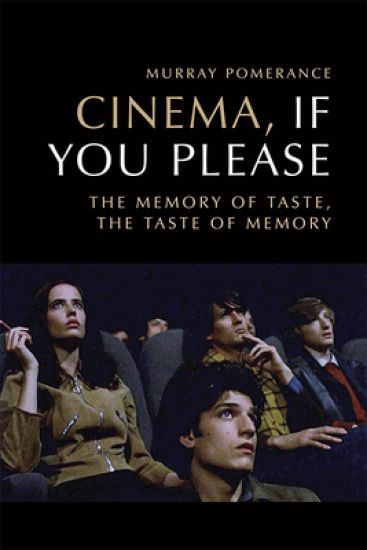
Cinema, If You Please

Cinema, If You Please

Murray Pomerance

Edinburgh University Press
2020
nidottu
In Cinema, If You Please, Murray Pomerance explores our ways of watching film in light of socially organized forms of pleasure that date back to the seventeenth and eighteenth centuries. Wedding the notion of pleasure in film viewing to the history of pleasure in the West, the book considers pleasure gardens and promenading; the history of oil painting and its display; the passion for travel and exposure to the exotic and strange; and forms of musical repetition and restatement. With in-depth studies of films like Vertigo, The Passenger, A Matter of Life and Death, Clouds of Sils Maria, Personal Shopper, Call Me By Your Name and Blow-Up, this ground-breaking book draws the reader into the past and the present at once, joining an understanding of personal and visual delight to their cultural and historical roots.
Virtuoso

Virtuoso

Murray Pomerance

Bloomsbury Academic USA
2019
nidottu
Elizabeth Taylor’s electrifying performance in Who’s Afraid of Virginia Woolf? The milkshake scene in There Will be Blood. Leonardo DiCaprio’s turn as Arnie in What’s Eating Gilbert Grape? What makes these performances so special? Eloquently written and engagingly laid out, Murray Pomerance answers the tough question as to what makes an exceptional, or virtuosic performance. Pomerance intensively explores virtuosic performance in film, ranging from classical works through to contemporary production, and gives serious consideration to structural problems of dramatization and production, actorial methods and tricks, and contingencies that befall performers giving stand-out moments.Looking at more than 40 aspects of the virtuosic act, and using an approach based in careful meditation and discursion, Virtuoso moves through such themes as showing off, effacement, self-consciousness, performative collapse, spontaneity, acting as dream, acting and femininity, virtuosity and torture, secrecy, improvisation, virtuosic silence, and others; giving special attention to the labors of such figures as Fred Astaire, Johnny Depp, Marlene Dietrich, Basil Rathbone, Christopher Plummer, Leonardo DiCaprio, Alice Brady, Ethel Waters, James Mason, and dozens more. Numerous scenic virtuosities are examined in depth, from films as far-ranging as Singin’ in the Rain and The Bridge on the River Kwai, and My Man Godfrey. As the first book about virtuosity in film performance, Virtuoso offers exciting new angles from which to view film both classical and contemporary.
Virtuoso

Virtuoso

Murray Pomerance

Bloomsbury Academic USA
2019
sidottu
Elizabeth Taylor’s electrifying performance in Who’s Afraid of Virginia Woolf? The milkshake scene in There Will be Blood. Leonardo DiCaprio’s turn as Arnie in What’s Eating Gilbert Grape? What makes these performances so special? Eloquently written and engagingly laid out, Murray Pomerance answers the tough question as to what makes an exceptional, or virtuosic performance. Pomerance intensively explores virtuosic performance in film, ranging from classical works through to contemporary production, and gives serious consideration to structural problems of dramatization and production, actorial methods and tricks, and contingencies that befall performers giving stand-out moments.Looking at more than 40 aspects of the virtuosic act, and using an approach based in careful meditation and discursion, Virtuoso moves through such themes as showing off, effacement, self-consciousness, performative collapse, spontaneity, acting as dream, acting and femininity, virtuosity and torture, secrecy, improvisation, virtuosic silence, and others; giving special attention to the labors of such figures as Fred Astaire, Johnny Depp, Marlene Dietrich, Basil Rathbone, Christopher Plummer, Leonardo DiCaprio, Alice Brady, Ethel Waters, James Mason, and dozens more. Numerous scenic virtuosities are examined in depth, from films as far-ranging as Singin’ in the Rain and The Bridge on the River Kwai, and My Man Godfrey. As the first book about virtuosity in film performance, Virtuoso offers exciting new angles from which to view film both classical and contemporary.
Hamlet Lives in Hollywood

Hamlet Lives in Hollywood

Murray Pomerance

Edinburgh University Press
2019
nidottu
John Barrymore's influence on screen and stage in the early twentieth century is incalculable. His performances in the theatre defined Shakespeare for a generation, and his transition to cinema brought his theatrical performativity to both silent and sound screens. This book, a collection of fifteen original essays on the film performances and stardom of John Barrymore, redresses this lack of scholarship on Barrymore by offering a range of varied perspectives on the actor's work. Looking at his performances and influence from the perspectives of gender studies, psychoanalysis, queer studies and performance analysis, Hamlet Lives in Hollywood represents a major attempt by contemporary scholars to come to terms with the ongoing vitality of John Barrymore's work in our present day.