Kirjojen hintavertailu. Mukana 12 595 353 kirjaa ja 12 kauppaa.

Kirjailija

Nader Tehrani

Kirjat ja teokset yhdessä paikassa: 4 kirjaa, julkaisuja vuosilta 2022-2026, suosituimpien joukossa STUDIO 1:1. Vertaile teosten hintoja ja tarkista saatavuus suomalaisista kirjakaupoista.

4 kirjaa

Kirjojen julkaisuhaarukka 2022-2026.

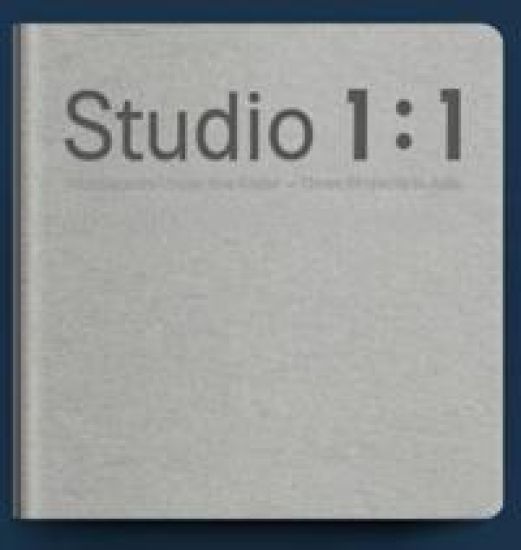
STUDIO 1:1

STUDIO 1:1

Gene Miao; Nader Tehrani

Oscar Riera Ojeda Publishers Limited
2026
sidottu
unded in 2006, Studio 1:1 is an architecture practice operating regionally from its Hong Kong headquarters. From its roots in residential, corporate, and retail interiors, today it undertakes larger-scale civic and commercial projects that rely on a design-driven approach. This book presents in-depth case studies of three of the studio’s award-winning buildings at different locations across Asia: ‘Light & Span’ in the Philippines; Muse Edition in Hong Kong; and Entrance Pavilion in Thailand, each of which presented distinct challenges. The volume explores how the young firm addressed and resolved these problems to successfully produce three stunning pieces of infrastructural architecture.
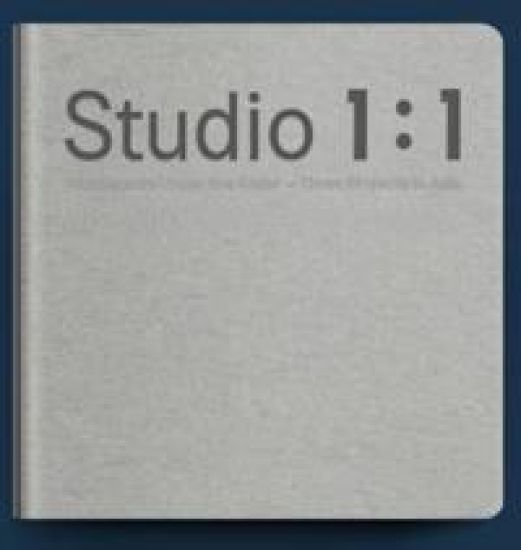
STUDIO 1:1

STUDIO 1:1

Gene Miao; Nader Tehrani

Oscar Riera Ojeda Publishers Limited
2026
sidottu
unded in 2006, Studio 1:1 is an architecture practice operating regionally from its Hong Kong headquarters. From its roots in residential, corporate, and retail interiors, today it undertakes larger-scale civic and commercial projects that rely on a design-driven approach. This book presents in-depth case studies of three of the studio’s award-winning buildings at different locations across Asia: ‘Light & Span’ in the Philippines; Muse Edition in Hong Kong; and Entrance Pavilion in Thailand, each of which presented distinct challenges. The volume explores how the young firm addressed and resolved these problems to successfully produce three stunning pieces of infrastructural architecture.
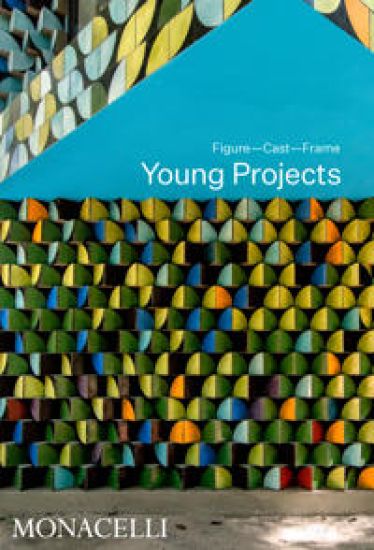
Young Projects

Young Projects

Bryan Young; Nader Tehrani

Monacelli Press
2022
sidottu
This first monograph by New York-based Young Projects demonstrates a new approach to spatial design that embraces ambiguity at the intersections of form, type, and material.This monograph introduces the cutting-edge research and work of Young Projects, founded by Bryan Young, where materiality, structure, and form intersect to generate new architectural typologies. The book presents a selection of the practice’s most relevant projects: five innovative houses completed between 2015 and 2020 as well as less in-depth looks at other projects that define the practice. Each house serves as a chapter through which Young Projects’ broader body of work is explored across scales, illustrated through a rich landscape of drawings, diagrams, renderings, mock-ups, prototypes, and photography. The through-line connecting all chapters is the studio’s interest in using ambiguity and anomaly to create novel and accessible spaces, whether for high profile clients or a new resort in St. Kitts. Young Projects seeks to draw users into immersive spatial experiences that unfold over time, in a manner that is familiar but subtly foreign. This quality of “allure” is a result of a unique and experimental approach to materiality and spatial legibility. These are the threads that tie the work together and have set Young Projects apart as an emerging practice, as well as inform the larger-scale projects the studio undertakes as it enters its second decade. Young Projects’ process often begins with simple exercises in making: form-finding experiments they undertake within their Brooklyn studio. Material research has included hand-pulling plaster with an irregular knife, using furniture foam as a casting bed, and forming concrete with palm stems. These experiments, among many others, mine characteristics that are not typically associated with conventional architectural materials and break traditional methodology, allowing for qualities of randomness and spontaneity to enter the process of making. The studio finds that letting go of control (at the right moments) produces results that are often surprising, entirely bespoke, and resist replication.
My House is Better Than Your House

My House is Better Than Your House

Nader Tehrani; Robert Levit

Goff Books
2022
nidottu
In the South of France, sited on a hill of olive trees, pinus pinea, and a vineyard, a family retreat was designed with a key mission of maintaining the vitality of the site. A small agricultural plot, the site offered the possibility of amplification. With the introduction of a garden and many outdoor living spaces, the family had the intention of cultivating the landscape as part of their stewardship. In part a response to a programmatic brief, but moreover, a discursive response to architectural predicaments of geometry, typology, and anomaly, the house is also a response to Preston Scott Cohen's pedagogies on architecture.