Kirjojen hintavertailu. Mukana 12 493 980 kirjaa ja 12 kauppaa.

Kirjailija

Naguib Mahfouz

Kirjat ja teokset yhdessä paikassa: 56 kirjaa, julkaisuja vuosilta 1988-2026, suosituimpien joukossa Khan al-Khalili. Vertaile teosten hintoja ja tarkista saatavuus suomalaisista kirjakaupoista.

56 kirjaa

Kirjojen julkaisuhaarukka 1988-2026.

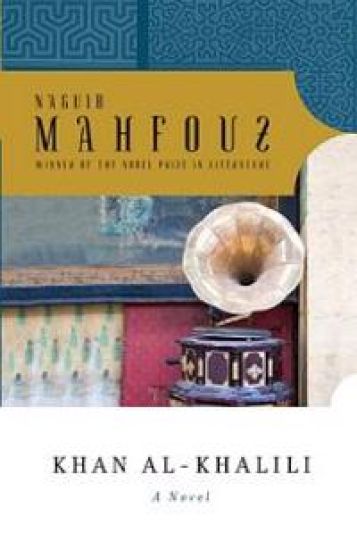
Khan al-Khalili

Khan al-Khalili

Naguib Mahfouz

Random House Inc
2011
pokkari
Khan al-Khalili, by Egyptian Nobel Laureate Naguib Mahfouz, portrays the clash of old and new in an historic Cairo neighborhood as German bombs fall on the city. The time is 1942, World War II is at its height, and the Africa Campaign is raging along the northern coast of Egypt. Against this backdrop, Mahfouz's novel tells the story of the Akifs, a middle-class family that has taken refuge in Cairo's colorful and bustling Khan al-Khalili neighborhood. Believing that the German forces will never bomb such a famously religious part of the city, they leave their more elegant neighborhood and seek safety among the crowded alleyways, busy caf s, and ancient mosques of the Khan. Through the eyes of Ahmad, the eldest Akif son, Mahfouz presents a richly textured vision of the Khan, and of a crisis that pits history against modernity and faith against secularism. Fans of Midaq Alley and The Cairo Trilogy will not want to miss this engaging and sensitive portrayal of a family at the crossroads of the old world and the new. Translated from the Arabic by Roger Allen
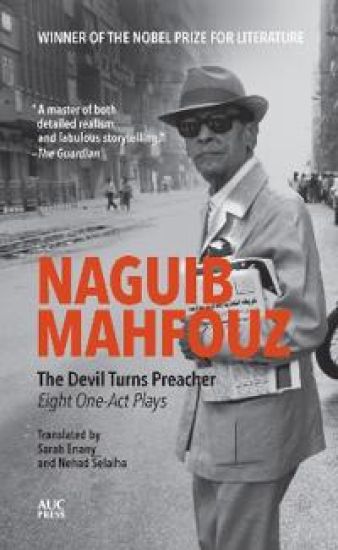
The Devil Turns Preacher

The Devil Turns Preacher

Naguib Mahfouz

AMERICAN UNIVERSITY IN CAIRO PRESS
2026
pokkari
To mark twenty years since the death of Nobel Laureate Naguib Mahfouz, his only collection of plays are to be published worldwide in English for the first time Naguib Mahfouz is a literary icon, and the only Arab writer to win the Nobel Prize for Literature. He has been celebrated across the globe for his novels and short stories, which have been translated into over forty languages. But what is not known by many is that he made a foray into drama: he wrote eight one-act plays in the 1960s and 1970s. They were performed in Cairo at the time and then largely forgotten – overtaken by his immensely successful fiction writing. These forgotten gems showcase Mahfouz’s bold storytelling and mastery of suspense and pace. Eclectic in their dramatic style and suggesting far-reaching dramatic influences from Ionesco to Camus to Beckett. They are filled with political subtext and symbolize, in dramatic form, a monumental period in Egyptian history, including war with Israel and the death of Nasserism.
The Devil Turns Preacher

The Devil Turns Preacher

Naguib Mahfouz

AMERICAN UNIVERSITY IN CAIRO PRESS
2026
sidottu
To mark twenty years since the death of Nobel Laureate Naguib Mahfouz, his only collection of plays are to be published worldwide in English for the first time Naguib Mahfouz is a literary icon, and the only Arab writer to win the Nobel Prize for Literature. He has been celebrated across the globe for his novels and short stories, which have been translated into over forty languages. But what is not known by many is that he made a foray into drama: he wrote eight one-act plays in the 1960s and 1970s. They were performed in Cairo at the time and then largely forgotten – overtaken by his immensely successful fiction writing. These forgotten gems showcase Mahfouz’s bold storytelling and mastery of suspense and pace. Eclectic in their dramatic style and suggesting far-reaching dramatic influences from Ionesco to Camus to Beckett. They are filled with political subtext and symbolize, in dramatic form, a monumental period in Egyptian history, including war with Israel and the death of Nasserism.
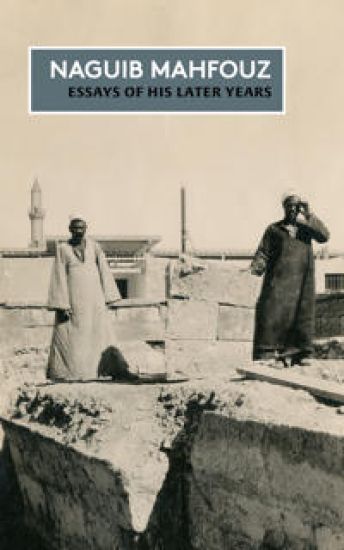
Essays of his Later Years

Essays of his Later Years

Naguib Mahfouz

GINGKO
2026
pokkari
Although he had largely stopped writing fiction by the end of the 1980s, Naguib Mahfouz continued to pen essays for al-Ahram newspaper, offering letters of advice and reflection to his beloved Egyptian public. His steady outpouring was not to be stopped until his attempted assassination in 1994, when a young man, in the grip of religious extremism, stabbed the author in the neck. In the years approaching the attack, Mahfouz wrote with empathy and forgiveness for those who turn in desperation to terrorism. These remarkably prescient essays display a mature and measured reaction to the increasingly violent world Mahfouz perceived around him. With their unwavering commitment to tolerance, democracy, and hope in dark times, his essays feel as pertinent today as they were thirty years ago. Essays of His Later Years is the last of four volumes in which Mahfouz’s non-fiction is translated into English for the first time.
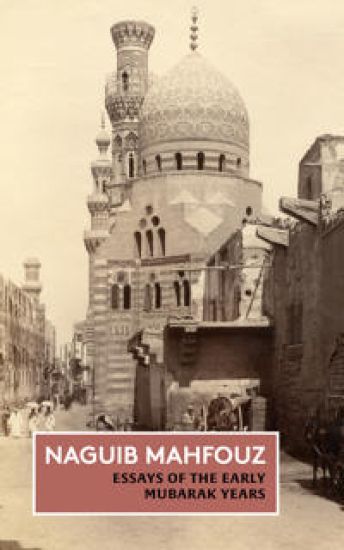
Essays of the Early Mubarak Years
The long Egyptian struggle toward independence and freedom haunts Mahfouz’s literary canon. While the author’s own politics are usually cloaked in fiction, these brief essays clarify his unwavering belief in democracy, civilisation, tolerance and justice. These articles were published in al-Ahram newspaper in the tumultuous wake of Sadat’s assassination, as Mubarak’s early presidency survived an uprising in 1984, and then a mutiny in 1986. As such, they not only testify to Mahfouz’s developing convictions but to the daily life and convulsions of the nation in which they formed. The six years covered in the book were the last in which Mahfouz was active as a force in modern literature. While writing these essays, Mahfouz published, among other works, The Journey of Ibn Fattouma, and The Day the Leader Was Killed, finally bringing his work as a novelist to a close in 1988 with his last novel, The Coffee House. Essays of the Early Mubarak Era is the third of four volumes in which Mahfouz’s non-fiction work is translated into English for the first time.
Essays of the Sadat Era

Essays of the Sadat Era

Naguib Mahfouz

GINGKO
2025
pokkari
When Mahfouz retired from his job as a civil servant in 1971 he took up an appointment as a member of the editorial staff at Egypt’s Al-Ahram newspaper. Many of his novels were serialised in Al-Ahram; less well known, however, are the essays he also published through the newspaper. This fascinating volume brings together Mafouz’s non-fiction writings penned during the era of Sadat, whose presidency comprised some of the most dramatic events in Egyptian history: from Sadat’s “Corrective Revolution” to the Yom Kippur War with Israel and the eventual peace accord between the two countries, as well as his eventual assassination by Islamic extremists in 1981. In this collection Mahfouz deals with diverse political topics, such as socio-economic class, democracy and dictatorship, Islam and extremism – topics which still seem highly pertinent in relation to the situation in Egypt today. While Mahfouz’s opinions are often considered to be obscured in his fiction writing, here we gain an extraordinarily clear insight into his personal views – views which helped shape his novels. Essays of the Sadat Era is the second of four volumes that will see Mahfouz’s non-fiction work translated into English for the first time.
On Literature and Philosophy

On Literature and Philosophy

Naguib Mahfouz

GINGKO
2025
pokkari
Winner of the Nobel Prize in 1988, Mahfouz’s novels brought Arabic literature to an international readership. Far fewer people, however, know his non-fiction works – a gap that this book will fill. Bringing together Mahfouz’s early non-fiction writings (mostly penned during the 1930s) which have never before been available in English, this volume offers a rare glimpse into the early development of the renowned author. In a series of essays Mahfouz discusses the origins of philosophy, its development and contributions to the history of thought. He also presents a series of essays on literature, discussing European writers, such as Anton Chekov, as well as some of his own Arab contemporaries, for example Taha Hussein. Beyond this he explores some important, contemporary issues of the day: science and modernity, the growing movement for women’s rights in the Arab world, and emerging ideologies, such as socialism. Together, these essays give us a clear picture of the changing landscape of Egypt during the 1930s, but also explains how Mahfouz’s views and ideas came to shape the nature of his literary output. In On Literature and Philosophy we find all the nuances of Mahfouz’ thoughts concern­ing Islam, tradition and faith as he engages with modernity and the secular influences of the West.
I Found Myself: Last Dreams

I Found Myself: Last Dreams

Naguib Mahfouz

NEW DIRECTIONS PUBLISHING CORPORATION
2025
nidottu
I found myself in our old house in El Abbassiya, visiting my mother. She received me with perplexing indifference and then left the room. I assumed she'd gone to make coffee, but she never returned. Dream 216] In his final years, the Egyptian master storyteller and Nobel Laureate Naguib Mahfouz drew on his dreams, combining the mystery of what we experience in the night with the deep wells of his narrative art. These last dreams, stunning poetic vignettes--now brought beautifully into English for the first time by the acclaimed novelist Hisham Matar--appear here with dreamlike photographs by the famous American photographer Diana Matar, which both mysteriously rhyme with Mahfouz's nocturnal reveries and, allowing the reader a chance to dream in turn, open up the texts. These sketches and stories are tersely haunting miniatures. Recurring female characters may be figures of Cairo herself, especially one much-missed lover from Mahfouz's youth. Friends, family, rulers of Egypt, and many beautiful women all float through these affecting brief tales dreamed by a mind too fertile ever to rest, even in slumber. A tender and personal introduction by Hisham Matar, recollecting how he and his wife met Mahfouz in Cairo not long after the assassination attempt on the author, is moving and likewise indelible.
I Found Myself...The Last Dreams

I Found Myself...The Last Dreams

Naguib Mahfouz

PENGUIN BOOKS LTD
2025
sidottu
FROM THE NOBEL PRIZE-WINNING AUTHOR – WITH AN INTRODUCTION BY HISHAM MATARAfter an assassination attempt and in waning health, Naguib Mahfouz became more cautious in his twilight years. At the same time, in nightly dreams, his imagination began to roam his beloved city, Cairo, with a rare freedom.In this collection of vivid vignettes linked together by the author’s precisely rendered nocturnal wanderings through Cairo, figures from Mahfouz’s personal life blend with his anxieties about Egypt’s political past and future. Each dream is layered with philosophical and spiritual musings, hopes and disappointments. Over the course of the book, they build to a rich and complex picture of Mahfouz’s subconscious.A master of both detailed realism and fabulous storytelling’ GUARDIAN
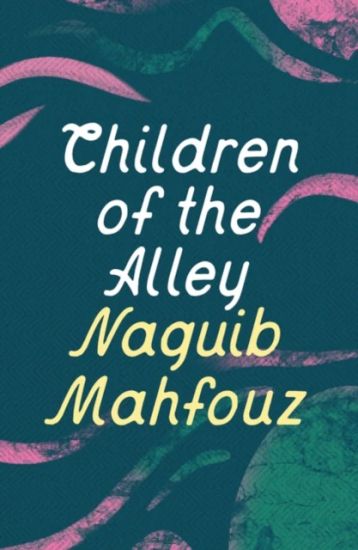
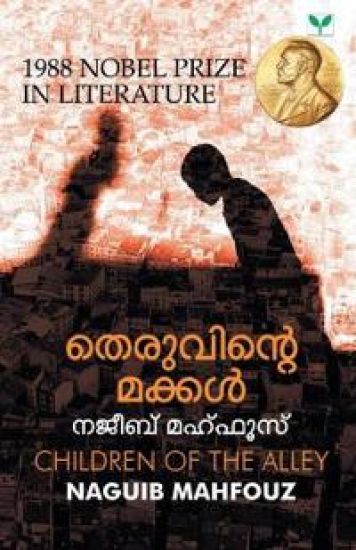
Children of the Alley

Children of the Alley

Naguib Mahfouz

BLOOMSBURY PUBLISHING PLC
2024
nidottu
Winner of the Nobel Prize for Literature, Naguib Mahfouz, offers this epic story of a single alley in Cairo and the generations that passed through it.A tumultuous neighbourhood known as 'the alley' has seen successive heroes rise and fall as they struggle to defend the rights left to them by their great ancestor, Gebelawi.From the supreme feudal lord who disowns one son for pride and puts another to the test, to the saviour who tries to free his people from bondage, the men and woman of the alley seem unable to stop themselves from reenacting the lives of their holy forbearers. Through their successes and failures, the spiritual history of humankind is revealed.Hailed as ‘the single most important writer in modern Arabic literature’ (Newsweek), Naguib Mahfouz displays the richness and variety of his storytelling in this Egyptian literary classic.‘A powerful allegory of human suffering and striving.’ New York Times‘Immensely entertaining and deeply serious.’ Chicago Tribune
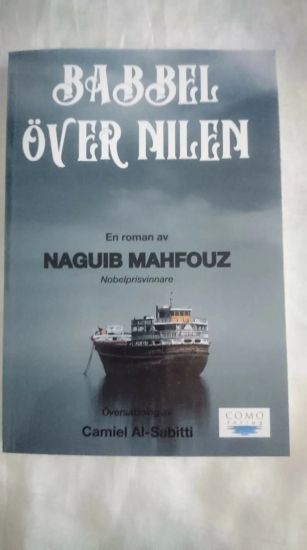
Babbel över Nilen

Babbel över Nilen

Naguib Mahfouz

Como förlag
2022
nidottu
Babbel Över Nilen, en roman av den egyptiske författaren och Nobelprisvinnare i litteratur Naguib Mahfouz som visades filmiskt i en långfilm. Romanen väckte ilska hos den dåvarande regimen och fick honom nästan att fängslas. Romanen diskuterar de intellektuellas idéer och deras smärtsamma verklighet och smärtsamma verklighet, och ger oss exempel på deras idéer som de varit upptagna av under lång tid. Det är en roman som kombinerar negativ och positiv kritik av en situation som försöka åter upprätta livet för intellektuella som förstörts, till att visa vilken makt de har över politiker och samhälle. Babbel över Milen är en roman som berättar något om livet för karaktärer från det egyptiska samhället som möts permanent i en husbåt med utsikt över Nilen för att använde hasch(en typ av narkotikan med en något mild effekt) och att ha kul också, i ett försök att fly från den eländig dagliga verkligheten som omger dem. Romanens karaktärer är en modeller av det egyptiska samhället, en blandning av människor med olika saker i allt, inklusive den hänsynslösa skådespelaren, den frustrerad anställd, den utilitaristiska konstkritikern, journalisten som ständigt kritiserar och klagar, universitetsstudenten tjej som lider av sina föräldrars vanvård och andra. Denna intressant politiska roman ett av de mest framstående verk som skrivits av den store författaren Naguib Mahfouz, som har haft en stor inverkan på samhället och har översatts till många språk runt om världen, där den har mötts av mycket av beundran och acceptans.
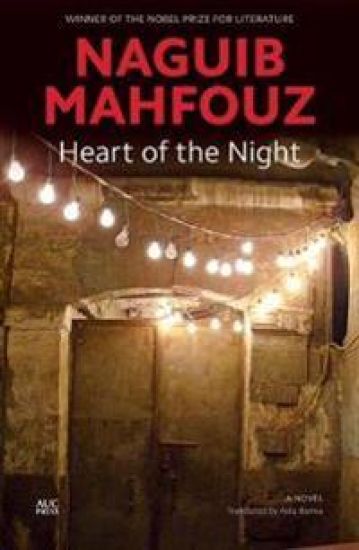
Heart of the Night

Heart of the Night

Naguib Mahfouz

The American University in Cairo Press
2021
nidottu
Nobel winning author, Naguib Mahfouz's late-translated novella, Heart of the Night is now available for the first time in paperbackJaafar Ibrahim Sayyed al-Rawi is guided by his motto, “let life be filled with holy madness to the last breath.” He narrates his life story to a friend during one long night in a café in old Cairo. Through a series of bad decisions, he has lost everything: his family, his position in society, and his fortune. A man driven by his passions, he married a beautiful Bedouin nomad for love, and as a consequence pays a punishingly high price. From a life of comfort with a promising future guaranteed by his wealthy grandfather, he descended to the spartan life of a pauper, after being disinherited. Jaafar faces his tribulations with surprising stoicism and hope, sustained by his strong convictions, his spirituality, his sense of mission, and his deep desire to bring social justice to his people. Heart of the Night is a classic Mahfouz gem exploring marriage across class lines, spirituality, and the harsh realities of a precarious, life written by one of Egypt's most celebrated literary masters.
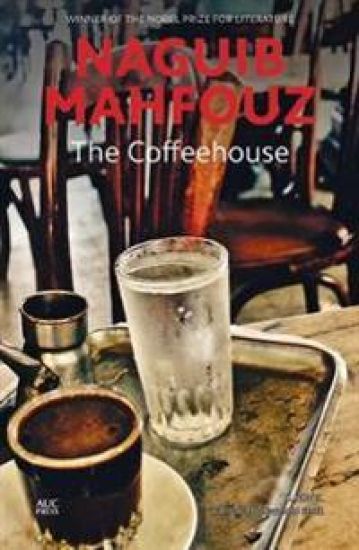
The Coffeehouse

The Coffeehouse

Naguib Mahfouz

The American University in Cairo Press
2021
nidottu
Mahfouz's last novel, an evocative depiction of life in Egypt in the twentieth century as told through the lives of a group of friends, is now available in paperback for the first time On a school playground in the stylish Cairo suburb of Abbasiya, five young boys become friends for life, making a nearby café, Qushtumur, their favorite gathering spot forever. One is the narrator, who, looking back in his old age on their seven decades together, makes the other four the heroes of his tale, a Proustian, and classically Mahfouzian, quest in search of lost time and the memory of a much-changed place. In a seamless stream of personal triumphs and tragedies, their lives play out against the backdrop of two world wars, the 1952 Free Officers coup, the defeat of 1967 and the redemption of 1973, the assassination of a president, and the simmering uncertainties of the transitional 1980s. But as their nation grows and their neighborhood turns from the green, villa-studded paradise of their youth to a dense urban desert of looming towers, they still find refuge in the one enduring landmark in their ever-fading world: the humble coffeehouse called Qushtumur. The Coffeehouse is a powerful and timeless novel of loss and memory from one of Egypt's most celebrated literary masters.
The Non-Fiction Writing of Naguib Mahfouz 1930-1994
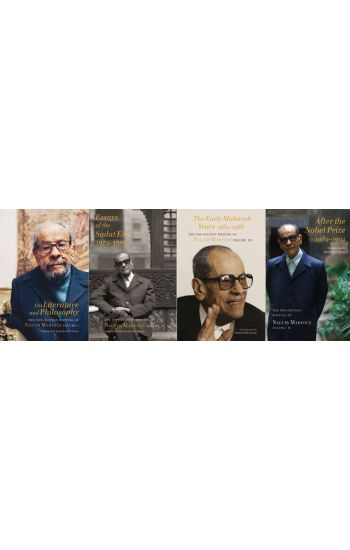
This boxset consists of a collection of newspaper articles and earlier essays, presented in four volumes. Each volume is introduced by Professor Rasheed El-Enany (University of Exeter). Volume I compiles Mahfouz's early non-fiction writings mostly authored during the 1930s, offering a rare glimpse into the early development of the renowned author. Volume II is a collection of essays Mahfouz published from 1971 to 1981 in the Al-Ahram newspaper where he had taken up an appointment as a member of the editorial staff after retiring from his job as a civil servant. Volume III consists of newspaper articles published between 1982 and 1988, coinciding with the early years of Hosni Mubarak's presidency, described by Mahfouz as an 'unhurried democracy'. Volume IV brings together Mahfouz's articles written from 1989 and the knife attack in October 1994 that almost ended his life.
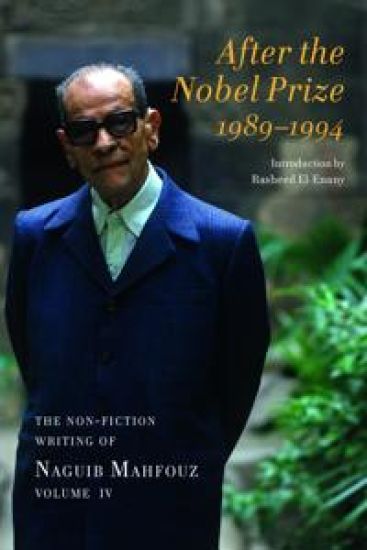
After the Nobel Prize 1989-1994

After the Nobel Prize 1989-1994

Naguib Mahfouz

Gingko Library
2020
sidottu
Naguib Mahfouz, the Arab world’s only Nobel literature laureate, is best known internationally for his short stories and novels, including The Cairo Trilogy. But in Egypt he was equally familiar to newspaper readers for the column he wrote for many years in the leading daily Al-Ahram, in which he reflected on issues of the day from domestic and international events, politics, and economics to historic anniversaries, inspirational personalities, and questions of cultural freedom. This volume brings together the 285 articles he wrote between January 1989 and the near-fatal knife attack in October 1994. In carefully crafted short texts, his social conscience is revealed as he highlights political shortcomings, economic injustice, and corruption in Egypt and the wider Arab world. His philosophical sensitivity comes to the fore as he contemplates the meaning of a historic events, contributions of an influential people, and what is required to lead a good life. The collapse of the Soviet Union, the Oslo peace accords, the spread of terrorism, the Cairo earthquake, the passing of Louis Awad, Yusuf Idris, Yahya Hakki, the third term of Hosni Mubarak, climate change, and more come under Naguib Mahfouz’s fine scrutiny. For any fan of Mahfouz’s fiction, this collection opens a window on a different side of his intellect, and it offers insights from one of the region’s greatest modern minds.
The Magnificent Conman of Cairo

The Magnificent Conman of Cairo

Adel Kamel; Naguib Mahfouz

Hoopoe
2020
nidottu
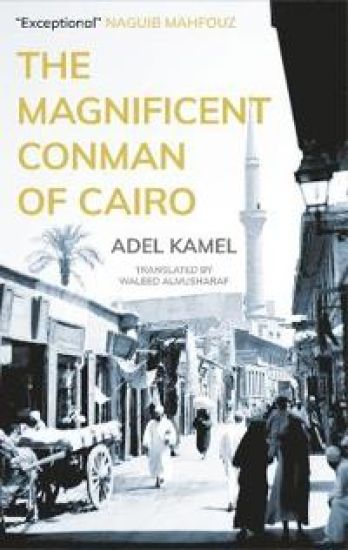
Khaled, the spoiled idle son of a pasha, meets Malim, carpenter’s apprentice and son of a scoundrel, when he comes to fix a broken window. In the course of his work, Malim stumbles across a stash of money and dutifully hands it in. Khaled cooks up an overly elaborate plot to see that his dastardly father pays Malim his due, but the plot backfires and Malim is thrown in jail. Khaled’s guilt over Malim’s misfortune, made worse by his ridiculous attempts to defend him, result in a decisive moment: he breaks ties with his cruel and tyrannical father, seeking to leave behind the upper-class lifestyle he finds so suffocating. They meet again years later, when Malim has been released from prison and given up on earning an honest living. Khaled gets caught up in Malim’s latest scam and is drawn into joining his commune of eccentrics and failed artists living in a derelict Mamluk citadel.
The Early Mubarak Years 1982-1988

The Early Mubarak Years 1982-1988

Naguib Mahfouz

Gingko Library
2020
sidottu
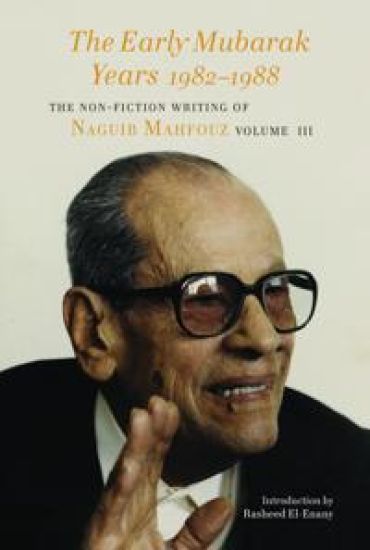
This volume consists of essays published in newspapers between 1982 and 1988, coinciding with the early years of Hosni Mubarak's presidency. Mahfouz describes Mubarak's early administration as an 'unhurried democracy'. In these essays, Mubarak is not subjected to direct criticism, which is mainly reserved for Gamal Abdel Nasser and Anwar Sadat. Meanwhile, political figures such as Saad Zaghloul and Mustafa al-Nahhas are praised as great leaders, signifying Mahfouz's continuous sympathy with the Wafd party. Mahfouz's exceptional humanity is most prominent in the careful attention he pays to the daily challenges faced by Egyptians. The writing presented here reveals his remarkable insight into the country's political and social issues, as well as a pragmatic capacity to see the larger picture, particularly when it comes to the role of Egypt in the Arab world. A recurring theme in the majority of the essays is Mahfouz's perseverance in insisting, despite hardships, on tolerance and justice, on peaceful coexistence, on the maintenance of work ethics, on the importance of cultural education, and the merits of democracy.
The Quarter

The Quarter

Naguib Mahfouz; Elif Shafak

Saqi Books
2019
sidottu
Meet the people of Cairo's Gamaliya quarter. There is Nabqa, son of Adam the waterseller who can only speak truths; the beautiful and talented Tawhida who does not age with time; Ali Zaidan, the gambler, late to love; and Boss Saqr who stashes his money above the bath. A neighbourhood of demons, dancing and sweet halva, the quarter keeps quiet vigil over the secrets of all who live there. This collection by pre-eminent Egyptian writer Naguib Mahfouz was recently discovered among his old papers. Found with a slip of paper titled `for publishing 1994', they are published here for the first time. Resplendent with Mahfouz's delicate and poignant observations of everyday happenings, these lively stories take the reader deep into the beating heart of Cairo.