Kirjojen hintavertailu. Mukana 12 390 323 kirjaa ja 12 kauppaa.

Kirjailija

Nancy E. Berg

Kirjat ja teokset yhdessä paikassa: 2 kirjaa, julkaisuja vuosilta 1996-2004, suosituimpien joukossa Exile from Exile. Vertaile teosten hintoja ja tarkista saatavuus suomalaisista kirjakaupoista.

2 kirjaa

Kirjojen julkaisuhaarukka 1996-2004.

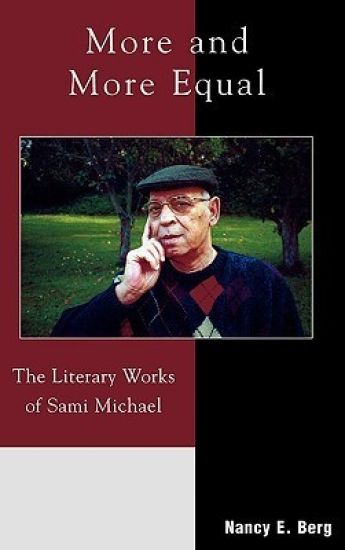
More and More Equal

More and More Equal

Nancy E. Berg

Lexington Books
2004
sidottu
More and More Equal examines the works of Sami Michael, the most significant Israeli writer who has made the transition from Arabic to Hebrew. Born in Baghdad, Michael fled in 1948 to Iran, and later to Israel, to escape imprisonment or execution due to his involvement with the Iraqi Communist Party. Early in his career Michael was deemed merely an "ethnic" writer, but his incredible popular success and indelible influence on his Israeli audience have forced critics to consider his writings anew. Nancy E. Berg sheds light on Michael's belated canonization and traces his development as a storyteller. Berg offers fresh readings of each of Michael's major novels. She shows us that by questioning and exploring Israeli and Jewish identity via characters otherwise rare in Hebrew literature (non-European immigrants, Sephardis, and Arabs), Michael has recast the Zionist master narrative. Berg notes that Michael's rise to literary prominence owes not only to his growing sophistication as a writer but also to changing norms and attitudes in Israeli society.
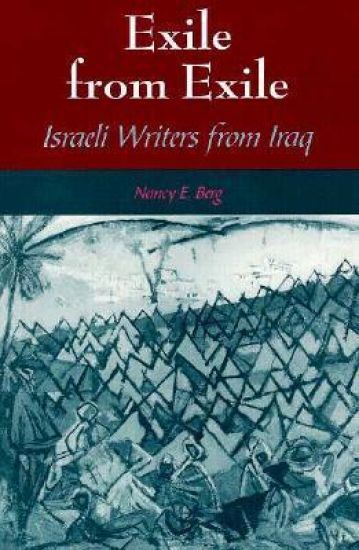
Exile from Exile

Exile from Exile

Nancy E. Berg

State University of New York Press
1996
pokkari
The standard histories of Israeli literature limit the canon, virtually ignoring those who came to Israel from Jewish communities in the Middle East. By focusing on the work of Iraqi-born authors, this book offers a fundamental rethinking of the canon and of Israeli literary history.The story of these writers challenges common conceptions of exile and Zionist redemption. At the heart of this book lies the paradox that the dream of ingathering the exiles has made exiles of the ingathered. Upon arriving in Israel, these writers had to decide whether to continue writing in their native language, Arabic, or begin in a new language, Hebrew. The author reveals how Israeli works written in Arabic depict different memories of Iraq from those written in Hebrew. In addition, her analysis of the early novels of Hebrew writers set against the experience of "transit camps" (ma'abarot) argues for a re-evaluation of the significance of this neglected literary subgenre.