Kirjojen hintavertailu. Mukana 12 595 353 kirjaa ja 12 kauppaa.
Kirjailija
Nancy Mather
Kirjat ja teokset yhdessä paikassa: 11 kirjaa, julkaisuja vuosilta 1996-2026, suosituimpien joukossa Essentials of WJ V Assessment. Vertaile teosten hintoja ja tarkista saatavuus suomalaisista kirjakaupoista.
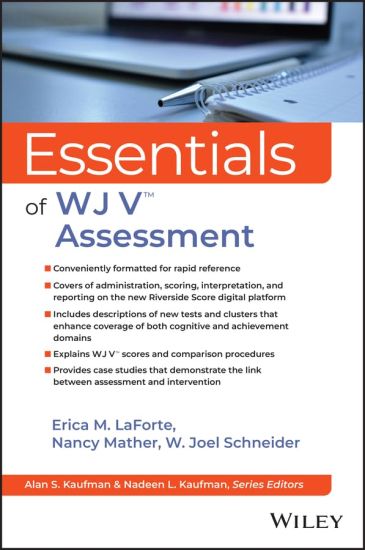
A comprehensive guide to the administration, scoring, and interpretation of the Woodcock-Johnson V assessment battery In Essentials of WJ V Assessment, a team of veteran psychological practitioners with expertise in formal assessment delivers a comprehensive resource for practitioners tasked with administering the Woodcock-Johnson V assessment battery. The book explains how to administer, score, and interpret all three parts of the WJ V: the WJ V Tests of Cognitive Abilities, the WJ V Tests of Achievement, and the WJ V Tests of Oral Language Abilities. The book is an authoritative and current guide to using the Woodcock-Johnson V assessment tests. Practitioners will explore the newly introduced digital platform and tools and find expert instruction for understanding and administering newly added test components. Inside the book: Practice quizzes to help readers ensure they’ve understood the material contained within Case examples that illustrate the concepts discussed in the book and how they’re applied in real-world scenarios Straightforward explanations of all possible test scores and the interpretive features that assessors rely on to understand them Perfect for school psychologists, clinical psychologists, and neuropsychologist, Essentials of WJ V Assessment is a must-have resource for all students and professionals interested in the proper administration of the Woodcock-Johnson V.
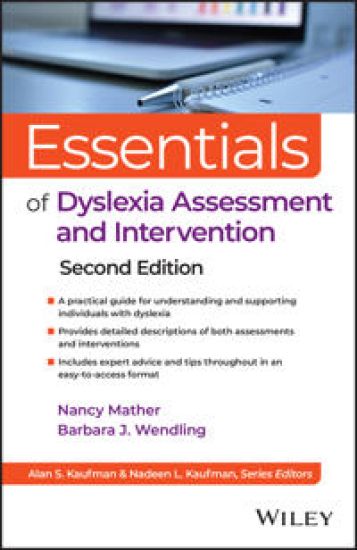
Expert guidance on the features of dyslexia and the most effective treatment options Essentials of Dyslexia Assessment and Intervention allows psychologists, graduate students, reading specialists, and others to quickly acquire the knowledge and skills needed to treat individuals struggling with dyslexia. This book provides step-by-step guidance on accurately identifying, assessing, and using evidence-based interventions with individuals with dyslexia. Addressing the components that need to be considered in the assessment of dyslexia—both cognitive and academic—this book includes descriptions of the various tests used in a comprehensive dyslexia assessment along with detailed, evidence-based interventions that professionals and parents can use to help individuals struggling with dyslexia. A part of the trusted Essentials of Psychological Assessment series, this book features concise chapters designed to facilitate retention of key concepts with callout boxes, bullet points, and extensive illustrations. Additionally, the chapters contain questions to test your knowledge and reinforce what you have learned. This updated second edition covers essential topics for today’s professionals, including genetic factors, reading instruction, technology, and dyslexia in schools. Gain an understanding of the neurological and genetic causes and risk factors of dyslexiaAssess reading fluency, phonological awareness, and other markers of dyslexiaDiscover the latest interventions for improving reading and spelling in individuals with dyslexiaLearn to pick up on cues that help with early identification and treatment of dyslexiaProviding an in-depth look at dyslexia, this straightforward book presents information that will prepare school psychologists, neuropsychologists, educational diagnosticians, special education teachers, as well as general education teachers, to recognize, assess, and provide effective treatment programs for dyslexia. The book is also a good resource for parents who are helping a child with dyslexia.
Four women recount their experiences from the early years of World War II to the vastly changed America we live in today. We follow them from Paris, France to a blue collar town in Connecticut, from Bensonhurst, Brooklyn to Manhattan's Upper East Side. Their memoirs run the gamut from rationing in the 1940s to rebelling in the 1960s, from grieving the loss of a young husband to a mind-boggling encounter in small town America. Each of these women have a compelling story to tell.
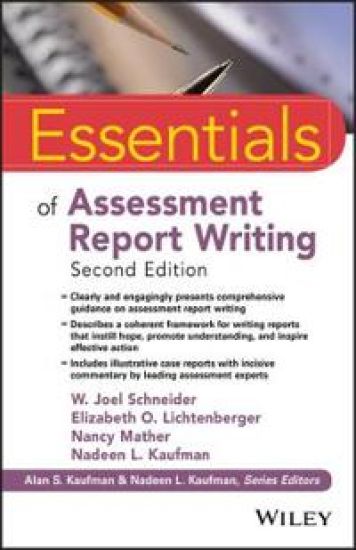
The bestselling guide to reporting writing, updated and reworked for today's practice Essentials of Assessment Report Writing offers effective solutions to the creation of reader-friendly, yet targeted, psychological, and educational assessment reports. Parents, clinicians, clients, and other readers need more than test-by-test descriptions—they need an accessible analysis of the entire situation to determine their next steps. This book provides clear guidance for busy practitioners seeking ways to improve their report writing skills. With a focus on current practice, this new second edition covers DSM-5 updates and the latest assessment instruments including the WJ IV, WISC-V, WAIS-IV, KTEA-3, and the CAS2. New discussion includes advice on tailoring the report to the audience, and annotated case reports provide illustrative models of effective report styles, interpretation, and analysis. Key concepts are highlighted for quick reference throughout, and end-of-chapter questions help reinforce understanding. Reporting styles vary widely within the field, in both content and style; there is no definitive "standard," but many reports fail to reflect best practices and therefore prove less than useful to the reader. This book provides expert guidance throughout the reporting process to help practitioners provide high-quality, accessible reports. Integrate assessment results to provide a person-centered reportIdentify and navigate critical decision points in the interpretive processWrite efficiently yet effectively while enhancing the reader's experienceProvide an accurate, informative, and readable assessment reportIncorporate practical recommendations to address the referral concerns Expertly-conducted assessments should culminate with a carefully constructed analysis that provides direction via clear communication. Because this report will be used to inform treatment, intervention, and ultimately, the client's quality of life—it is critical that it provides clear, informative guidance in a way that readers can understand. Essentials of Assessment Report Writing provides comprehensive guidelines for navigating through the report writing process.
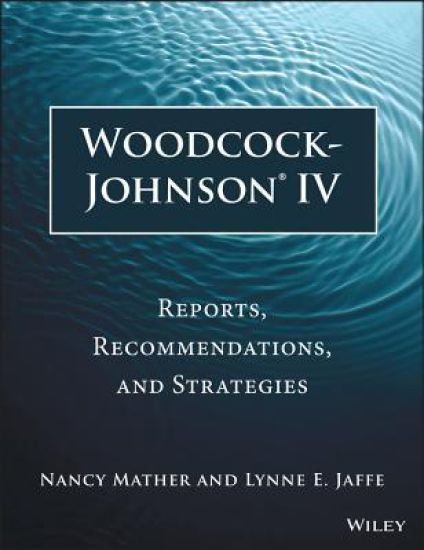
Includes online access to new, customizable WJ IV score tables, graphs, and forms for clinicians Woodcock-Johnson IV: Reports, Recommendations, and Strategies offers psychologists, clinicians, and educators an essential resource for preparing and writing psychological and educational reports after administering the Woodcock-Johnson IV. Written by Drs. Nancy Mather and Lynne E. Jaffe, this text enhances comprehension and use of this instrument and its many interpretive features. This book offers helpful information for understanding and using the WJ IV scores, provides tips to facilitate interpretation of test results, and includes sample diagnostic reports of students with various educational needs from kindergarten to the postsecondary level. The book also provides a wide variety of recommendations for cognitive abilities; oral language; and the achievement areas of reading, written language, and mathematics. It also provides guidelines for evaluators and recommendations focused on special populations, such as sensory impairments, autism, English Language Learners, and gifted and twice exceptional students, as well as recommendations for the use of assistive technology. The final section provides descriptions of the academic and behavioral strategies mentioned in the reports and recommendations. The unique access code included with each book allows access to downloadable, easy-to-customize score tables, graphs, and forms. This essential guide Facilitates the use and interpretation of the WJ IV Tests of Cognitive Abilities, Tests of Oral Language, and Tests of AchievementExplains scores and various interpretive featuresOffers a variety of types of diagnostic reportsProvides a wide variety of educational recommendations and evidence-based strategies
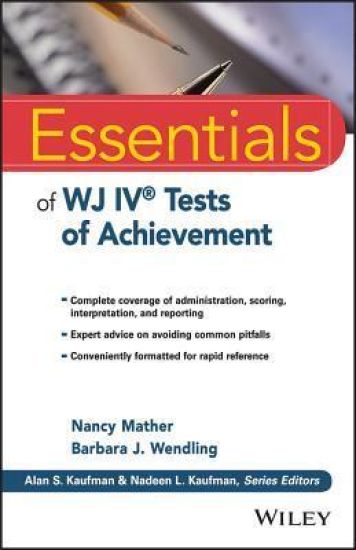
Essentials of WJ IV® Tests of Achievement Assessment provides practical, step-by-step guidelines to administering, scoring, and interpreting the achievement portion of the WJ IV®. This easy-to-use reference goes beyond the information found in the WJ IV® test manuals. It offers full explanations of the tests and clusters on the WJ IV® ACH and explains the meaning of all scores and interpretive features. In addition, the authors offer valuable advice on clinical applications and illuminating case studies. Features include: Clear instructions on how the WJ IV® ACH and the WJ IV® Tests of Oral Language can be used together to increase diagnostic utility.Expert assessment of the tests’ relative strengths and weaknesses.Each concise chapter features numerous callout boxes highlighting key concepts, bulleted points, and extensive illustrative material, as well as test questions that help you gauge and reinforce your grasp of the information covered.
An invaluable collection of sample case reports from experts in child and adolescent assessment With contributions from authorities in the fields of psychology and special education-including Dawn Flanagan, Elaine Fletcher-Janzen, Randy Kamphaus, Nadeen Kaufman, George McCloskey, Jack Naglieri, Cecil Reynolds, and Gale Roid—Comprehensive Evaluations provides over fifty sample case reports to help you draft carefully planned, goal-directed, and comprehensive evaluations that clearly explain the reasons for a student's school-related difficulties, from preschool to postsecondary level. A wellspring of information for educational professionals, Comprehensive Evaluations provides models for writing diagnostic reports to accompany the tests most frequently administered in the evaluation of children, adolescents, and adults, including the BASC-2, KABC-II, WAIS-IV, WISC-IV, and WJ III. The reports reflect various disciplines within psychology and education, different theoretical perspectives and paradigms, and span a broad spectrum of disabilities. The diagnostic reports found within Comprehensive Evaluations will help: Expand your familiarity with widely used test instruments Enhance your understanding of the interpretation of test scores Improve your ability to tailor written reports to the purposes of the evaluation Translate assessment results into meaningful treatment recommendations Recognize the differences in what evaluators from various school districts, agencies, and private practices consider to be a comprehensive evaluation Appreciate how your theoretical perspective and choice of tests can influence diagnostic conclusions Determine a report writing style that meets your needs Comprehensive Evaluations deftly illustrates how thorough assessments help empirically pinpoint the reasons a student is struggling in school, which then allows an evaluator to select the most appropriate accommodations and interventions to help the student succeed.
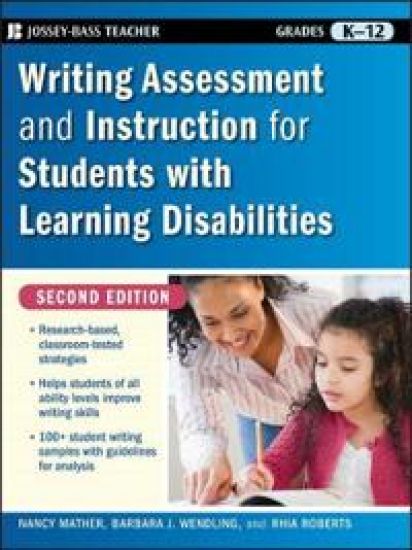
A hands-on guide for anyone who teaches writing to students with learning disabilities This valuable resource helps teachers who want to sharpen their skills in analyzing and teaching writing to students with learning disabilities. The classroom-tested, research-proven strategies offered in this book work with all struggling students who have difficulties with writing-even those who have not been classified as learning disabled. The book offers a review of basic skills-spelling, punctuation, and capitalization-and includes instructional strategies to help children who struggle with these basics. The authors provide numerous approaches for enhancing student performance in written expression. They explore the most common reasons students are reluctant to write and offer helpful suggestions for motivating them. Includes a much-needed guide for teaching and assessing writing skills with children with learning disabilities Contains strategies for working with all students that struggle with writingOffers classroom-tested strategies, helpful information, 100+ writing samples with guidelines for analysis, and handy progress-monitoring chartsIncludes ideas for motivating reluctant writersMather is an expert in the field of learning disabilities and is the best-selling author of Essentials of Woodcock-Johnson III Tests of Achievement Assessment
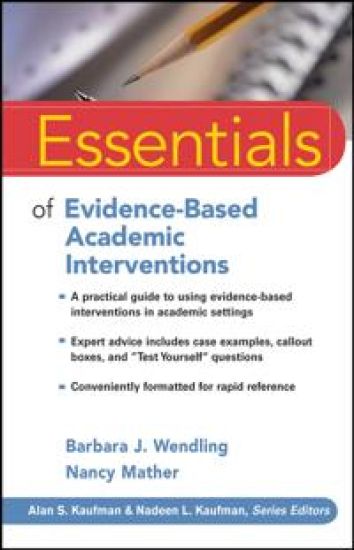
Essentials of Evidence-Based Academic Interventions puts at your fingertips the successful instructional techniques and materials necessary for accurate and effective use of evidence-based interventions. Written by Barbara Wendling and Nancy Mather, two experts in educational assessment and intervention, this intervention-oriented reference presents clear descriptions of research-based interventions in the areas of: phonological awareness and beginning reading phonics; phonics and sight word instruction; reading fluency; vocabulary and reading comprehension; spelling, handwriting, and written expression; basic math skills; and math problem-solving.
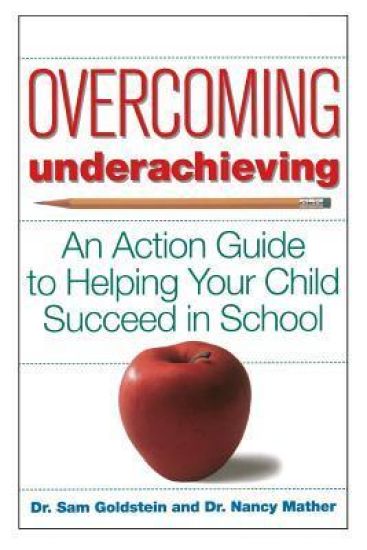
Help your child succeed! If your child is falling behind in school, you know what heartache is watching the struggle, feeling the frustration, yearning to help but what can you do? You can do a lot! In Overcoming Underachieving two nationally recognized experts in children's school problems show you how to become your child's advocate, coach, and guide through the educational process. Using numerous case examples, they help you pinpoint your child's unique learning patterns and the problems that interfere with learning, behavior, and achievement. This information-packed book provides dozens of creative, parent-tested tools to help your child overcome difficulties with reading, math, handwriting, study skills, memorization, attention span, and many other problems that affect school success. With the help of Overcoming Underachieving, you can: *Learn proven methods of assessing your child's patterns of learning and behaving *Describe learning and behavior problems clearly to teachers and other educators *Develop strategies that use strengths to overcome weaknesses *Set goals your child really can achieve *Find out how to improve your child's behavior and self-esteem Emotional support is important, but you can give your son or daughter even more. Find out how in Overcoming Underachieving.
The purpose of this book is to help educators increase their proficiency in analyzing and teaching writing to students with learning disabilities. The text is organized into nine chapters. The first is the introductory chapter, the second provides a review of the various components of written language and the types of difficulties that students may have with handwriting, spelling, usage, vocabulary and text structure. The third chapter provides an overview of the writing process approach. The fourth chapter reviews the legal protections and various accommodations to which students are entitled. Chapters five, six and seven contain summaries of instructional strategies that may be used to enhance student performance in the areas of handwriting, basic skills and written expression. The eighth chapter presents analyses of writing samples from students in first-through eighth-grade levels that are reviewed within a diagnostic-prescriptive format. Chapter nine contains writing samples with guided questions that can be used for independent study, as assignments, or for in-class discussions.