
Kirjailija
Naomi Pollock
Kirjat ja teokset yhdessä paikassa: 9 kirjaa, julkaisuja vuosilta 2008-2026, suosituimpien joukossa Hitoshi Abe. Vertaile teosten hintoja ja tarkista saatavuus suomalaisista kirjakaupoista.
9 kirjaa
Kirjojen julkaisuhaarukka 2008-2026.
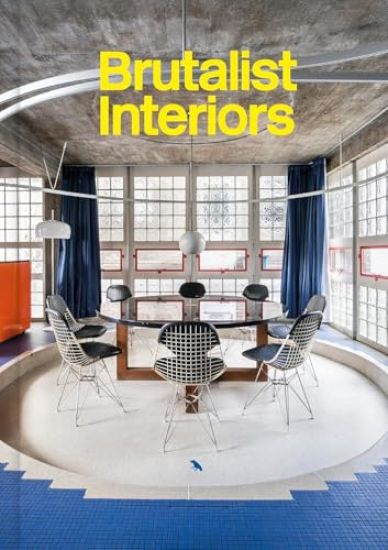
Brutalist Interiors
Blake Gopnik; Naomi Pollock; Gili Merin; Rixt Woudstra; Ljuba Slavkovic; Felix Torkar; Ewan Harrison; Derek Lamberton
Blue Crow Media
2025
sidottu
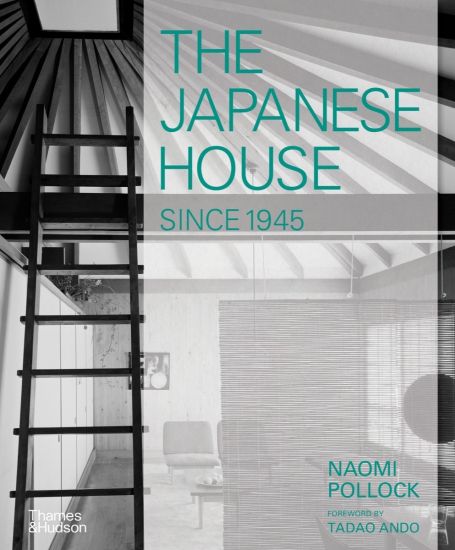
Highly commended in the Architecture Book Awards, 2024: the definitive overview of and ultimate resource on the iconic architect-designed houses built in Japan from 1945 to the present. Imagine a terraced house whose courtyard separates the kitchen from the bedroom. Or a tiny, triangular tower of rooms stacked one above another. Quirky, experimental and utterly fascinating, the houses produced in Japan since the end of the Second World War are among the most exceptional in the world. The Japanese House Since 1945 is a cohesive chronology of the most compelling architect-designed Japanese homes, showing developments in form, material, architectural expression and family living over almost eight decades. Unparallelled in their conceptual purity, many Japanese houses have become icons at home as well as abroad. Presented with clear prose and accompanied by compelling photographs and drawings, this book features 97 houses, divided among nine chapters and organized by decade. In addition to acquainting the reader with individual homes, the book illuminates the social, technological, geographic and historical factors behind these era-defining houses. Developments over the period are underscored by the visual presentation, as it evolves from monochrome to colour and from hand-drawn to digital. Decade lead-ins set the historical context for each chapter, while ‘Spotlight’ segments draw attention to the separate components of the Japanese house. ‘At Home’ sections, most written by architects and their family members, bring to life the experience of living in these unique houses.
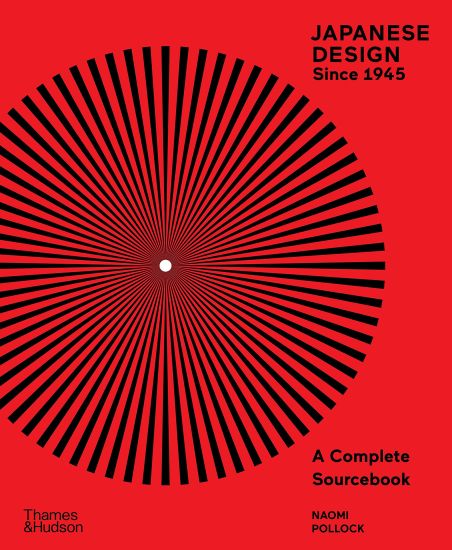
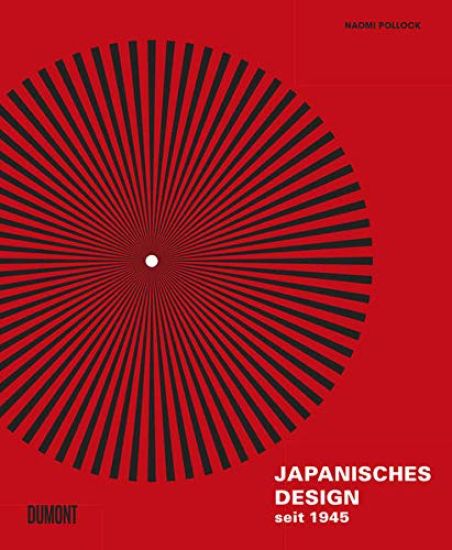
Design in Japan is deeply rooted in the country’s historic craft culture, profound understanding of materials and commitment to functionality. These qualities yield chairs, cups and other daily use items which are easy on the eye, comfortable in the hand and always do their job well. Even as mass manufacturing became widespread in the post-war period and cross-cultural exchanges began to take place with the West, Japan held fast to these core values and practices. This dedication has given rise to timeless objects of great beauty and utility as well as innovations in materials, form and technology. Far beyond design icons such as the Kikkoman Soy Sauce Bottle, Sori Yanagi’s Butterfly Stool, and the Sony Walkman®, the products and objects created in Japan over the past seven decades serve to delight and draw admiration. In recent years, a new generation of designers, including Naoto Fukasawa, nendo and Tokujin Yoshioka, have taken Japanese creativity into exciting new territory: some are eliminating objects entirely, others are reimagining what an object could be. Though Japan has developed some of the world’s most sophisticated robotic manufacturing complexes, many of its most appealing products are made by small factories and workshops whose artisans use their hands as much as machines. This impressive volume is the most complete overview of Japanese design to date and its exquisite presentation is itself a beautiful example of Japanese design. Including profiles of over 70 creators, the book is based on the author’s interviews with designers, their colleagues and family members, as well as leading curators and critics. The profiles are accompanied by short takes on iconic products and essays on related topics by Japanese and Western design experts. Featuring hundreds of objects, this volume will become the definitive work on the subject for many years to come.

Quirky, surprising and entertaining - with more than 400 houses, Jutaku is architecture at the speed of Japan.Frenetic. Pulsating. Disorienting. Japan's contemporary culture is constantly in flux. In stark contrast to the centuries old imperial architecture of Kyoto, recent Japanese architectural practices have ushered in an era of continuous experimentation.With 500 houses, one house per page, one image per house, Jutaku: Japanese Houses is a fast-paced, "quick hit" shock to the system that shines a Harajuku-bright neon light on the sheer volume, variety and novelty of contemporary Japanese residential architecture.Featuring the work of many of Japan's most famous architects including Shigeru Ban, Sou Fujimoto, Toyo Ito, Kengo Kuma, Jun Igarishi, Shuhei Endo and dozens of up and coming and completely unknown young architects, Jutaku is organized geographically taking readers on a bullet train journey across Japan's architectural landscape. Essential reading for architects, designers and fans of contemporary Japanese culture.
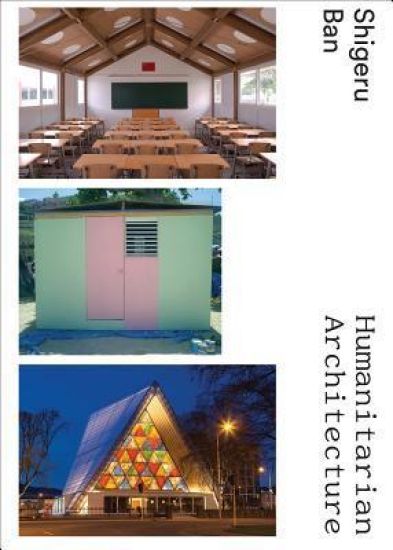
Shigeru Ban
Claude Bruderlein; Michael Kimmelman; Koh Kitayama; Brad Pitt; Naomi Pollock; Eyal Weizman; Heidi Zuckerman Jacobson
Aspen Art Museum,US
2014
nidottu
"Architects are not building temporary housing because we are too busy building for the privileged people.... I'm not saying I'm against building monuments, but I'm thinking we can work more for the public." - Shigeru Ban, Pritzker Prize, 2014In 1994, after seeing photographs of the plastic sheets given to Rwandan refugees to live under, Shigeru Ban went to the United Nations High Commissioner for Refugees to propose ideas for better shelters. Since then, Ban has been critically heralded for his innovative approaches to environmentally sound architecture and his devotion to humanitarian efforts in the wake of some of the most devastating natural and man-made disasters. His temporary housing has employed everything from plastic beer cartons to paper tubes to create ingeniously flexible spaces. By sourcing unconventional, recycled, inexpensive, local and sustainable materials, he stimulates devastated economies by involving local resources and labor. These works stem from empathy and have restored shelter and gathering places, offering comfort, protection and dignity to stricken communities around the world.This important volume is the first book-length study to collect, catalogue and examine Shigeru Ban's architectural responses to disaster relief. Essays and discussions of individual projects, drawings in the artist's hand, instruction manuals, diverse photographs and a timeline and map make an essential compendium for the most personal and relevant aspect of Ban's work. The book is a major contribution to the broad subjects of humanitarian relief and sustainable design solutions, and provides an inspiring testament to Ban's ongoing dedication to our planet and its people.Born in Tokyo in 1957, Shigeru Ban studied at the Southern California Institute of Architecture and went on to Cooper Union's School of Architecture where he studied under John Hejduk. At age 48, Ban won the 2005 Thomas Jefferson Medal in Architecture from the University of Virginia. He was profiled by Time in their projection of twenty-first-century innovators in the field of architecture and design. Ban was awarded the Pritzker Architecture Prize in 2014.

'Made in Japan' is a simple phrase, but one full of meaning. From kettles and cutlery to chairs, Japan creates some of the most innovative, elegant, whimsical and well-made objects in the world. Combining high aesthetic standards with cutting-edge technology, many of these designs turn everyday items into functional works of art that would look as good in a museum as on a kitchen counter. Made in Japan surveys 100 of the country's recent design triumphs, among them furnishings, utensils, gadgets, clothing, office equipment and even a silent guitar. While the book features mainly mass-produced objects, it also includes one-off prototypes and limited-edition items that are immensely popular in Japan. Created specifically for the Japanese consumer, these products reflect the way people live, work and play in a country that prizes highly both exceptional craftsmanship and industrial perfection.
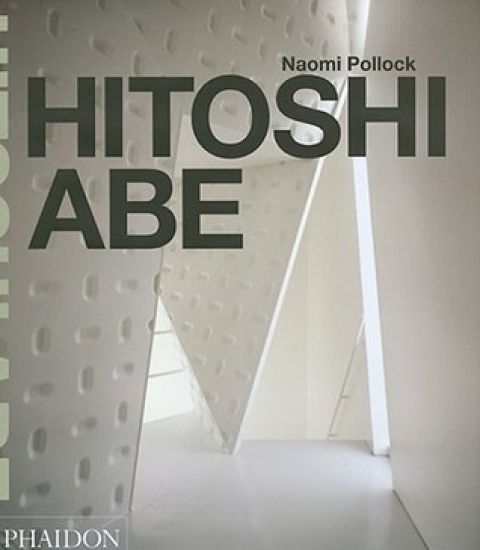
Hitoshi Abe (b. 1962) is one of the most important rising figures in contemporary Japanese architecture. After graduating from SCI-Arc in Los Angeles, he worked in the cutting-edge architecture practice Coop Himmelb(l)au before establishing his own studio, Atelier Hitoshi Abe, in Sendai, Japan. He has received international recognition for his bold architecture, and has taught at Tohoku Institute of Technology, University of California Berkeley and University of California Los Angeles. This is the first monograph on Hitoshi Abe to be published in English. Featuring 26 projects that include stadia, museums, bridges and private houses, each building is discussed in detail and accompanied by photographs, computer renderings and concept drawings.