Kirjojen hintavertailu. Mukana 12 595 353 kirjaa ja 12 kauppaa.

Kirjailija

Natalie J. Carroll

Kirjat ja teokset yhdessä paikassa: 6 kirjaa, julkaisuja vuosilta 2025-2026, suosituimpien joukossa Teaming with Insects. Vertaile teosten hintoja ja tarkista saatavuus suomalaisista kirjakaupoista.

6 kirjaa

Kirjojen julkaisuhaarukka 2025-2026.

Teaming with Insects

Teaming with Insects

Natalie J. Carroll; Christian Y. Oseto; Timothy J. Gibb

Purdue Scholarly Publishing Services
2025
nidottu
Teaming With Insects: Entomology for Grades 3–12 is written for youth who enjoy learning about and studying science and nature. Insects have been around for millions of years and have evolved and adapted to many different habitats. Adaptations involving their anatomy, physiology, and behavior are what make insects so diverse and interesting. More than 1 million species of insects are known to scientists, and they believe there may be up to 40 million more we have yet to discover. Most people consider insects pests, and some insects do damage to homes, plants, crops, and stored foods. Others harm humans and animals by biting, stinging, and spreading diseases. The vast majority of insects, however, are beneficial to our ecosystem, and a few, such as honeybees and silkworms, provide direct economic benefits to humans. This book is divided into four easy-to-use sections, each of which is designed with a specific purpose in mind and is tailored to a particular grade level. The first section is geared to students in grades 3 through 5. It introduces young readers to the world of insects, examining their physical appearance and movement. Level 2, intended for individuals in grades 6 through 8, demonstrates how to make insect collection tools and expands on the basic concepts of biodiversity, invasive species, integrated pest management, and forensic entomology. Suited for students in grades 9 through 12, level 3 focuses on using the scientific method, supplying reference materials for personalized learning and further research. The final section presented in Teaming With Insects, the facilitator's guide, provides suggestions and answers to the youth activities as well as information about working with future entomologists.

Weather and Climate Science Education for Grades 3–12

Weather and Climate Science Education for Grades 3–12

Natalie J. Carroll; Theodore Leuenberger; Gretchen Leuenberger

Purdue Scholarly Publishing Services
2026
nidottu
What's the weather today? People are interested in the weather so they can plan their day, determine what they should wear, if they should venture outside, when and where to vacation, and many other tasks. Gardeners and farmers need to understand both weather and climate to decide what and where to plant, and how best to take care of their animals. Homeowners also need to understand typical climate conditions, allowing them to determine which flowers and shrubs to plant on their properties. It also tells them what kind of insulation, furnace, and air conditioner to install. And when stormy weather is predicted, people need to be prepared. It is important that they know how to be safe in dangerous weather. The first level of Weather and Climate Science Education for Grades 3–12 introduces basic weather words and ideas. These activities focus on understanding the weather around you. Readers will also begin to learn the difference between weather and climate, and how these ideas are related. The second level introduces readers to more complex weather topics. They will learn about air pressure, winds, humidity, and fronts. The third level delves more deeply into weather and climate science. This level will help prepare readers to understand weather all through their lifetimes. The final section, the Facilitator's Guide, provides answers to the youth activities as well as information about Next Generation Science Standards.
Geology Education for Grades 3–12

Geology Education for Grades 3–12

Natalie J. Carroll; Theodore Leuenberger

Purdue Scholarly Publishing Services
2026
nidottu
Geology Education for Grades 3–12 guides and encourages youth to learn about the geological processes occurring all around them. Level 1 introduces basic terms and concepts, and is intended for youth in grades 3–5. Activities focus on understanding important topics such as the rock cycle, rock textures, and crystal formation. Designed for students in grades 6–8, Level 2 offers readers more concrete examples of advanced geological concepts, including fossilization, mineral formation, and rock classification. The exercises in Level 3, which is geared toward grades 9–12, includes additional information on the Earth's varied landscapes, a variety of geological events, and the need for environmental regulation. It also prepares readers who may be interested in studying these topics at postsecondary institutions. The final section presented in Geology Education for Grades 3–12, the facilitator's guide, provides answers to the youth activities as well as tips about working with the next generation of geologists in the field.
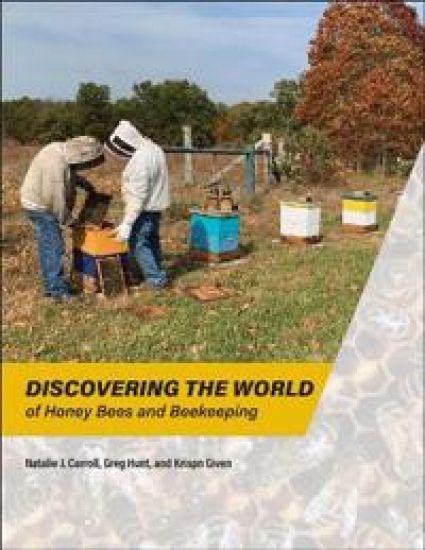
Discovering the World of Honey Bees and Beekeeping

Discovering the World of Honey Bees and Beekeeping

Natalie J. Carroll; Greg Hunt; Krispn Given

Purdue Scholarly Publishing Services
2026
nidottu
You don't have to be a scientist or a lifelong beekeeper to fall in love with the world of honey bees. Discovering the World of Honey Bees and Beekeeping is designed to take anyone, regardless of their experience, on a rewarding adventure by first exploring the fascinating biology and behavior of these insects. This book is designed to help readers see the environment from a bee's perspective, revealing the vital role pollinators play in our food systems and local ecosystems. Whether you are a student, a backyard gardener, or a nature lover, this guide provides a clear, step-by-step roadmap for success. You will learn the language of the hive, harvest your first crop of honey, and contribute to the health of our planet. This is not a technical manual; it is an invitation to join a community of keepers dedicated to protecting one of nature's most fascinating secrets. The first section, "Learning About Beekeeping," introduces bees and beekeeping, and is intended to prepare learners to set up their own hive. "Working With Honey Bees," the next section, guides learners setting up their first hive and demonstrates how to keep records. Section three, "Advanced Beekeeping," provides information on how to increase the size of the apiary, seasonal management, and troubleshooting problems. The final section presented in Discovering the World of Honey Bees and Beekeeping, the "Facilitator's Guide," provides answers to the youth activities as well as information about Next Generation Science Standards.
Soil and Water Education for Grades 3–12

Soil and Water Education for Grades 3–12

Natalie J. Carroll; Donald J. Haberlin

Purdue Scholarly Publishing Services
2025
nidottu
Soil and Water Education for Grades 3–12 was written for youth who enjoy learning about science and two critical natural resources: soil and water. Level 1 introduces basic terms and concepts, and is intended for youth in grades 3–5. Activities focus on understanding important soil and water processes. Designed for students in grades 6–8, Level 2 offers readers more concrete examples of advanced soil and water concepts. The exercises in Level 3, which is geared toward grades 9–12, are divided into sections based on how readers might use the information they have learned, placing them in the shoes of homeowners, residents of a watershed, food and fiber producers (farmers), mayors, teachers, and legislators. This level delves deeper into soil and water science concepts, and prepares readers who may be interested in studying these topics at postsecondary institutions. The final section presented in Soil and Water Education for Grades 3–12, the facilitator's guide, provides answers to the youth activities as well as tips about working with the next generation of scientists in the field.
Wildlife Science Education for Grades 3-12

Wildlife Science Education for Grades 3-12

Natalie J. Carroll; Theodore Leuenberger; Katherine Leuenberger

Purdue Scholarly Publishing Services
2025
nidottu
Wildlife Science Education for Grades 3–12 guides and encourages youth to learn about the wildlife around them. The first section introduces the basic wildlife groups to youth in upper elementary school using hands-on and other activity-based learning techniques. Young learners will understand the similarities and differences between mammals, birds, fish, and herptiles. The activities for middle schoolers expand the study to interactions within and between them. The lessons for high school students are based on topics of importance to homeowners, residents of a watershed, food and fiber producers (farmers), mayors, teachers, and policy makers. This section delves deeper into the study of wildlife and will help prepare students to study these topics at the college or university level. This final section is intended for adults who work with youth. It includes suggestions about instructing youth, next-generation science standards, and answers to questions asked in sections 1–3.