Kirjojen hintavertailu. Mukana 12 122 243 kirjaa ja 12 kauppaa.

Kirjailija

Nathan K. Hensley

Kirjat ja teokset yhdessä paikassa: 4 kirjaa, julkaisuja vuosilta 2016-2025, suosituimpien joukossa Forms of Empire. Vertaile teosten hintoja ja tarkista saatavuus suomalaisista kirjakaupoista.

4 kirjaa

Kirjojen julkaisuhaarukka 2016-2025.

Action without Hope

Action without Hope

Nathan K. Hensley

THE UNIVERSITY OF CHICAGO PRESS
2025
nidottu
A study of how writers from the early phases of our prolonged climate emergency used aesthetic strategies to redefine the category of action. What does it feel like to live helplessly in a world that is coming undone? Nathan Hensley turns to Victorian literature to uncover a prehistory of this deeply contemporary sense of powerlessness. For many in nineteenth-century Britain, their world seemed so scarred by human rapacity that restoring it seemed beyond the powers of any one individual. Like George Eliot’s characters in Middlemarch or the doomed lovers of Wuthering Heights, observers of the gathering carbon economy felt themselves ensnared by interlocked and broken systems. In the face of damage so vast and apparently irreversible, what could possibly be done? To answer this question, Hensley shows that nineteenth-century writers and artists devised new ways to understand action—and hope. They rescaled action away from the grandly heroic and toward minor adjustments and collaborative interventions. They turned away from logical proofs and direct argumentation and instead called on aesthetic technologies like sonnets and fractured lyrics, watercolor sketches, and vast, multiplot novels, finding scope for action not at the level of the theme or the thesis but in gestures and details. Ranging from J. M. W. Turner’s painterly technique to Emily Brontë’s dreamlike fragments (and reading along the way works by Alfred, Lord Tennyson, H. G. Wells, Lewis Carroll, Gerard Manley Hopkins, William Berryman, Charlotte Brontë, George Eliot, and Christina Rossetti), Hensley’s study makes an important contribution to Victorian studies and the environmental humanities.
Action without Hope

Action without Hope

Nathan K. Hensley

THE UNIVERSITY OF CHICAGO PRESS
2025
sidottu
A study of how writers from the early phases of our prolonged climate emergency used aesthetic strategies to redefine the category of action. What does it feel like to live helplessly in a world that is coming undone? Nathan Hensley turns to Victorian literature to uncover a prehistory of this deeply contemporary sense of powerlessness. For many in nineteenth-century Britain, their world seemed so scarred by human rapacity that restoring it seemed beyond the powers of any one individual. Like George Eliot’s characters in Middlemarch or the doomed lovers of Wuthering Heights, observers of the gathering carbon economy felt themselves ensnared by interlocked and broken systems. In the face of damage so vast and apparently irreversible, what could possibly be done? To answer this question, Hensley shows that nineteenth-century writers and artists devised new ways to understand action—and hope. They rescaled action away from the grandly heroic and toward minor adjustments and collaborative interventions. They turned away from logical proofs and direct argumentation and instead called on aesthetic technologies like sonnets and fractured lyrics, watercolor sketches, and vast, multiplot novels, finding scope for action not at the level of the theme or the thesis but in gestures and details. Ranging from J. M. W. Turner’s painterly technique to Emily Brontë’s dreamlike fragments (and reading along the way works by Alfred, Lord Tennyson, H. G. Wells, Lewis Carroll, Gerard Manley Hopkins, William Berryman, Charlotte Brontë, George Eliot, and Christina Rossetti), Hensley’s study makes an important contribution to Victorian studies and the environmental humanities.
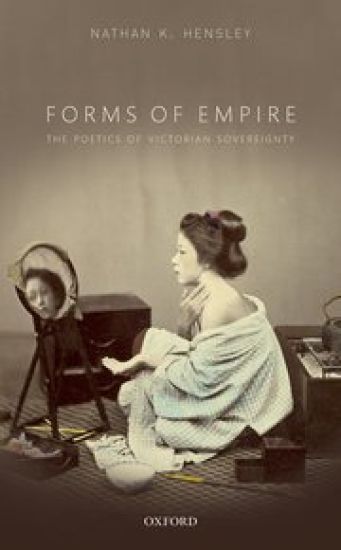
Forms of Empire

Forms of Empire

Nathan K. Hensley

Oxford University Press
2018
nidottu
Forms of Empire shows how the modern state's anguished relationship to violence pushed writers to expand the capacities of literary form. The Victorian era is often imagined as an 'age of equipoise,' but the period between 1837 and 1901 included more than 200 separate wars. What is the difference, though, between peace and war? The much-vaunted equipoise of the nineteenth-century state depended on physical force to guarantee it. But the sovereign violence hidden in the shadows of all law shuddered most visibly into being at the edges of law's reach, in the Empire, where emergency was the rule and death perversely routinized. George Eliot, Charles Dickens, Wilkie Collins, A. C. Swinburne, H. Rider Haggard, and Robert Louis Stevenson, among others, all generated new formal techniques to account for the sometimes sickening interplay between order and force in their liberal Empire. In contrast to the progressive idealism we have inherited from the Victorians, these writers moved beyond embarrassment and denial in the face of modernity's uncanny relation to killing. They sought aesthetic effects—free indirect discourse, lyric tension, and the idea of literary 'character' itself—able to render thinkable the conceptual vertigoes of liberal violence. In so doing, they touched the dark core of our post-Victorian modernity. Archival work, literary analyses, and a theoretical framework that troubles the distinction between 'historicist' and 'formalist' approaches helps this book link the Victorian period to the present and articulate a forceful vision of why literary thinking matters now.
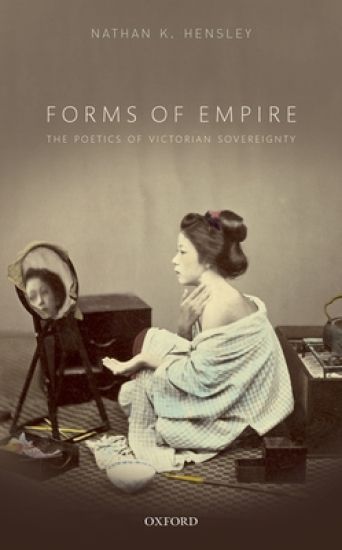
Forms of Empire

Forms of Empire

Nathan K. Hensley

Oxford University Press
2016
sidottu
In Forms of Empire, Nathan K. Hensley shows how the modern state's anguished relationship to violence pushed writers to expand the capacities of literary form. The Victorian era is often imagined as an "age of equipoise," but the period between 1837 and 1901 included more than two hundred separate wars. What is the difference, though, between peace and war? Forms of Empire unpacks the seeming paradoxes of the Pax Britannica's endless conflict, showing that the much vaunted equipoise of the nineteenth-century state depended on physical force to guarantee it. But the violence hidden in the shadows of all law --the violence of sovereign power itself--shuddered most visibly into being at the edges of law's reach, in the Empire, where emergency was the rule and death perversely routinized. This book follows some of the nineteenth century's most astute literary thinkers--George Eliot, Charles Dickens, Wilkie Collins, A.C. Swinburne, H. Rider Haggard, and Robert Louis Stevenson among them--as they wrestled with the sometimes sickening interplay between order and force, and generated new formal techniques to account for fact that an Empire built on freedom had death coiled at its very heart. In contrast to the progressive idealism we have inherited from the Victorians, the writers at the core of Forms of Empire moved beyond embarrassment and denial in the face of modernity's uncanny relation to killing. Instead they sought effects--free indirect discourse, lyric tension, and the idea of literary "character" itself--that might render thinkable the conceptual vertigoes of liberal violence. In the process, they touched up to the dark core of our post-Victorian modernity. Drawing on archival work, literary analyses, and a theoretical framework that troubles the distinction between "historicist" and "formalist" approaches, Forms of Empire links the Victorian period to the present and articulates a forceful vision of why literary thinking matters now.