Kirjojen hintavertailu. Mukana 12 390 323 kirjaa ja 12 kauppaa.

Kirjailija

Nathan T. Arrington

Kirjat ja teokset yhdessä paikassa: 3 kirjaa, julkaisuja vuosilta 2015-2021, suosituimpien joukossa Ashes, Images, and Memories. Vertaile teosten hintoja ja tarkista saatavuus suomalaisista kirjakaupoista.

3 kirjaa

Kirjojen julkaisuhaarukka 2015-2021.

Athens at the Margins

Athens at the Margins

Nathan T. Arrington

PRINCETON UNIVERSITY PRESS
2021
sidottu
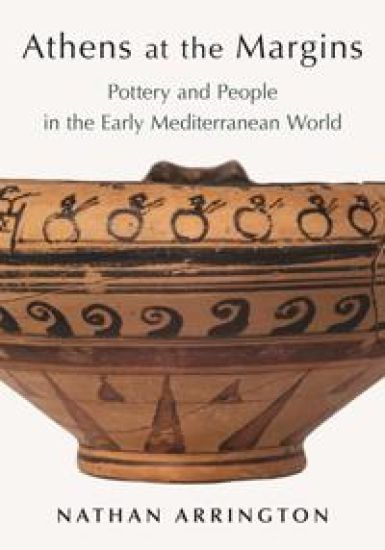
How the interactions of non-elites influenced Athenian material culture and societyThe seventh century BC in ancient Greece is referred to as the Orientalizing period because of the strong presence of Near Eastern elements in art and culture. Conventional narratives argue that goods and knowledge flowed from East to West through cosmopolitan elites. Rejecting this explanation, Athens at the Margins proposes a new narrative of the origins behind the style and its significance, investigating how material culture shaped the ways people and communities thought of themselves.Athens and the region of Attica belonged to an interconnected Mediterranean, in which people, goods, and ideas moved in unexpected directions. Network thinking provides a way to conceive of this mobility, which generated a style of pottery that was heterogeneous and dynamic. Although the elite had power, they were unable to agree on the norms of conspicuous consumption and status display. A range of social actors used objects, contributing to cultural change and to the socially mediated production of meaning. Historiography and the analysis of evidence from a wide range of contexts—cemeteries, sanctuaries, workshops, and symposia—offers the possibility to step outside the aesthetic frameworks imposed by classical Greek masterpieces and to expand the canon of Greek art.Highlighting the results of new excavations and looking at the interactions of people with material culture, Athens at the Margins provocatively shifts perspectives on Greek art and its relationship to the eastern Mediterranean.
Ashes, Images, and Memories

Ashes, Images, and Memories

Nathan T. Arrington

Oxford University Press Inc
2019
nidottu
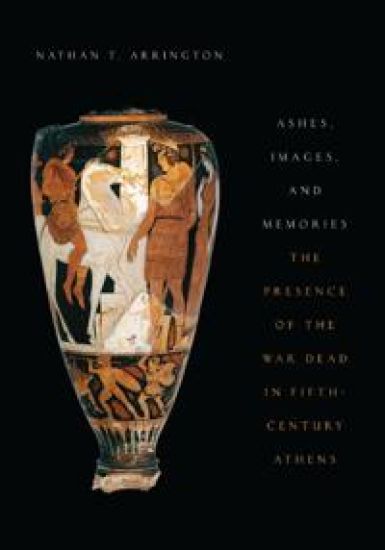
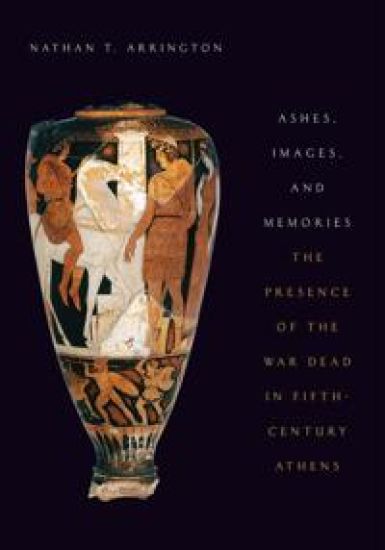
Ashes, Images, and Memories argues that the institution of public burial for the war dead and images of the deceased in civic and sacred spaces fundamentally changed how people conceived of military casualties in fifth-century Athens. In a period characterized by war and the threat of civil strife, the nascent democracy claimed the fallen for the city and commemorated them with rituals and images that shaped a civic ideology of struggle and self-sacrifice on behalf of a unified community. While most studies of Athenian public burial have focused on discrete aspects of the institution, such as the funeral oration, this book broadens the scope. It examines the presence of the war dead in cemeteries, civic and sacred spaces, the home, and the mind, and underscores the role of material culture - from casualty lists to white-ground lekythoi-in mediating that presence. This approach reveals that public rites and monuments shaped memories of the war dead at the collective and individual levels, spurring private commemorations that both engaged with and critiqued the new ideals and the city's claims to the body of the warrior. Faced with a collective notion of "the fallen" families asserted the qualities, virtues, and family links of the individual deceased, and sought to recover opportunities for private commemoration and personal remembrance. Contestation over the presence and memory of the dead often followed class lines, with the elite claiming service and leadership to the community while at the same time reviving Archaic and aristocratic commemorative discourses. Although Classical Greek art tends to be viewed as a monolithic if evolving whole, this book depicts a fragmented and charged visual world.
Ashes, Images, and Memories

Ashes, Images, and Memories

Nathan T. Arrington

Oxford University Press Inc
2015
sidottu
Ashes, Images, and Memories argues that the institution of public burial for the war dead and images of the deceased in civic and sacred spaces fundamentally changed how people conceived of military casualties in fifth-century Athens. In a period characterized by war and the threat of civil strife, the nascent democracy claimed the fallen for the city and commemorated them with rituals and images that shaped a civic ideology of struggle and self-sacrifice on behalf of a unified community. While most studies of Athenian public burial have focused on discrete aspects of the institution, such as the funeral oration, this book broadens the scope. It examines the presence of the war dead in cemeteries, civic and sacred spaces, the home, and the mind, and underscores the role of material culture--from casualty lists to white-ground lekythoi--in mediating that presence. This approach reveals that public rites and monuments shaped memories of the war dead at the collective and individual levels, spurring private commemorations that both engaged with and critiqued the new ideals and the city's claims to the body of the warrior. Faced with a collective notion of "the fallen, " families asserted the qualities, virtues, and family links of the individual deceased, and sought to recover opportunities for private commemoration and personal remembrance. Contestation over the presence and memory of the dead often followed class lines, with the elite claiming service and leadership to the community while at the same time reviving Archaic and aristocratic commemorative discourses. Although Classical Greek art tends to be viewed as a monolithic if evolving whole, this book depicts a fragmented and charged visual world.