Kirjojen hintavertailu. Mukana 12 595 353 kirjaa ja 12 kauppaa.
Kirjailija
Nato Thompson
Kirjat ja teokset yhdessä paikassa: 7 kirjaa, julkaisuja vuosilta 2015-2020, suosituimpien joukossa Bigert & Bergström : Works 1986-2016. Vertaile teosten hintoja ja tarkista saatavuus suomalaisista kirjakaupoista.
Sara Arrhenius; Staffan Boije af Gennäs; Lydia Chatziiakovou; Simon Critchley; Aris Fioretos; Stefanie Hessler; Jeffrey Kastner; Carin Kuoni; Sina Najafi; Cecilia Sjöholm; Nato Thompson; Christopher Turner; Sven-Olov Wallenstein
Swedish artists Mats Bigert and Lars Bergström first began their creative partnership in 1986, and have since become internationally recognized for a wide range of art projects ranging from large-scale sculptures and installations to performance and film. The duo are known for their analysis of current societal and environmental issues, often using humour as a tool. They tend to focus on scientific, climate-related and social issues, and the intersection between them. This detailed monograph covers their entire artistic oeuvre, from its very beginnings to the present moment a wealth of material that allows for an in-depth examination of their practice and its continuing relevance.
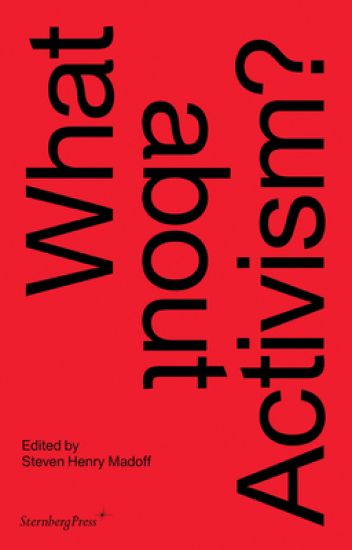
Curators and thinkers about contemporary art consider how to engage audiences in creative forms of protest and advocacy.With the global rise of a politics of shock, driven by nationalist and authoritarian regimes, what paths to resistance and sites of sanctuary can cultural institutions offer? In this book, more than twenty of the world's leading curators and thinkers about contemporary art offer powerful case studies from their own work, along with historical and theoretical perspectives, that point the way for cultural producers everywhere to engage audiences in creative forms of protest and advocacy capable of confronting the fierce political challenges of today and tomorrow.ContributorsDefne Ayas, Ute Meta Bauer, Nicolas Bourriaud, Carolyn Christov-Bakargiev, Joshua Decter, Cl mentine Deliss, Irmgard Emmelhainz, Boris Groys, Hou Hanru, Pi Li, Maria Lind, Steven Henry Madoff, Antonia Majaca, Gabi Ngcobo, Hans Ulricht Obrist, Jack Persekian with Alison Ramer, Mar a Bel n Sa z de Ibarra, Terry Smith, Nato Thompson, Mick Wilson, Brian Kuan Wood, Tirdad Zolghadr
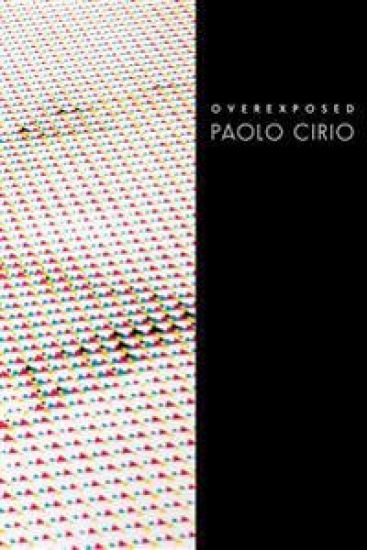
OVEREXPOSED is composed of a series of nine unauthorized photos of high-ranking U.S. intelligence officials of the NSA, CIA, NI, and FBI who were related to Edward Snowden's revelations. The appropriated material was found by monitoring photos and selfies published on Internet public platforms without the control of the officials. The images were reproduced with the street art HD Stencils technique, and they were disseminated onto public walls throughout major cities. The artwork satirizes the era of ubiquitous surveillance and overly-mediated political personas by exposing the officials accountable for secretive mass surveillance and over-classified intelligence programs. New modes of circulation, appropriation, contextualization, and technical reproduction of images are integrated into this artwork.
When their cruel master Marty McGuinn heads off to the Muddy Carnival, two peculiar nocturnal children, Fennel and Isabella, seize the opportunity to explore the city of Barrenwood. Horse drawn carriages, neon lights, the forces of gentrification, and the industrial revolution provide the outside-of-time backdrop as Isabella searches for like minded supernatural creatures and her malicious brother crafts the ultimate disaster.
One of the country's leading activist curators explores how corporations and governments have used art and culture to mystify and manipulate us. The production of culture was once the domain of artists, but beginning in the early 1900s, the emerging fields of public relations, advertising and marketing transformed the way the powerful communicate with the rest of us. A century later, the tools are more sophisticated than ever, the onslaught more relentless. In Culture as Weapon, acclaimed curator and critic Nato Thompson reveals how institutions use art and culture to ensure profits and constrain dissent--and shows us that there are alternatives. An eye-opening account of the way advertising, media, and politics work today, Culture as Weapon offers a radically new way of looking at our world.
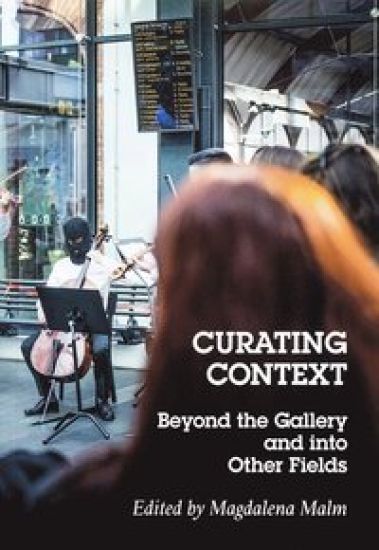
Curating Context describes a field where the curatorial practice is extended beyond curating exhibitions into working with entire contexts. It articulates the why and how of curating art projects that gain their meaning in relation to a surrounding context, or which need a specific structure in order to play out. In this practice, curatorial considerations are interwoven with the production, and the intentions of artists and curators lead the way rather than institutional structures. The texts and conversations in this book reflect on how these curatorial methodologies not only situate works in different places, but also transfer curatorial methods into other fields, such as the contexts of law, urban development, and constructions of the civic. This exciting curatorial approach where each project sets new demands, requires very specific skills rarely taught in curatorial programs. Curating Context is an attempt to share a sustained conversation among practitioners in the field.
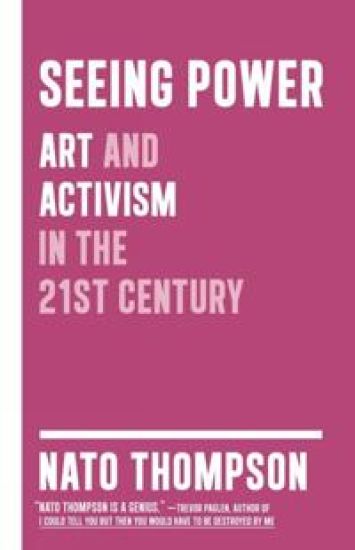
In our chaotic world of co-opted imagery, does art still have power? A fog of images and information permeates the world nowadays: from advertising, television, radio, and film to the glut produced by the new economy and the rise of social media . . . where even our friends suddenly seem to be selling us the ultimate product: themselves. Here, Nato Thompson--one of the country's most celebrated young curators and critics--investigates what this deluge means for those dedicated to socially engaged art and activism. How can anyone find a voice and make change in a world flooded with such pseudo-art? How are we supposed to discern what's true in the product emanating from the ceaseless machine of consumer capitalism, a machine that appropriates from art history, and now from the methods of grassroots political organizing and even social networking? Thompson's invigorating answers to those questions highlights the work of some of the most innovative and interesting artists and activists working today, as well as institutions that empower their communities to see power and reimagine it. From cooperative housing to anarchist infoshops to alternative art venues, Seeing Power reveals ways that art today can and does inspire innovation and dramatic transformation . . . perhaps as never before.