Kirjojen hintavertailu. Mukana 12 390 323 kirjaa ja 12 kauppaa.

Kirjailija

Neil Christie

Kirjat ja teokset yhdessä paikassa: 6 kirjaa, julkaisuja vuosilta 1998-2021, suosituimpien joukossa Medieval Rural Settlement. Vertaile teosten hintoja ja tarkista saatavuus suomalaisista kirjakaupoista.

6 kirjaa

Kirjojen julkaisuhaarukka 1998-2021.

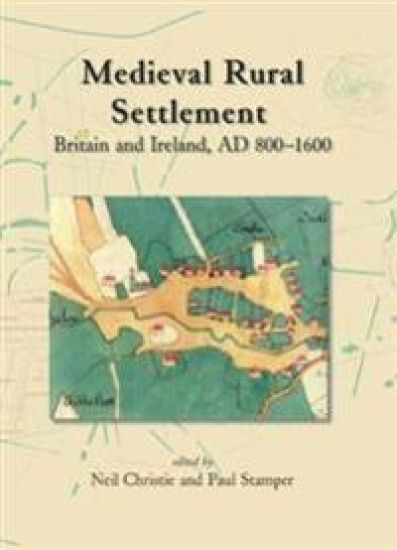
Medieval Rural Settlement

Medieval Rural Settlement

Neil Christie; Paul Stamper

Windgather Press
2021
nidottu
Medieval Rural Settlement: Britain and Ireland, AD 800-1600 is a major assessment and review of the origins, forms and evolutions of medieval rural settlement in Britain and Ireland across the period c. AD 800-1600. It offers a comprehensive analysis of early to late medieval settlement, land use, economics and population, bringing together evidence drawn from archaeological excavations and surveys, historical geographical analysis and documentary and place-name study. It is intended to be the flagship publication of the Medieval Settlement Research Group (MSRG) which has a long and distinguished history of exploring, debating and promoting research and offers systematic appraisal of 60 years' work across the whole field of medieval settlement, designed to inspire the next generation of researchers.Part I comprises a set of papers exploring the history of medieval rural settlement research in Britain and Ireland, the evolving methodologies, the roots of the medieval landscape and the place of power in these settlements and landscapes. Part II presents an extensive series of regional and national reviews detailing contexts, histories of study, forms, evolutions and future research needs. These extensive contributions also include "feature boxes" on key themes, sites to visit and main excavations in the study areas discussed. A final section provides guidance on how to research and study medieval rural sites - from laptop to test-pit.Extensively illustrated in colour and black and white, and written by expert contributors, the volume includes a comprehensive, integrated bibliography and an index. Medieval Rural Settlement: Britain and Ireland, AD 800-1600 will be essential reading for everyone researching and interested in medieval settlements and the medieval rural landscape.
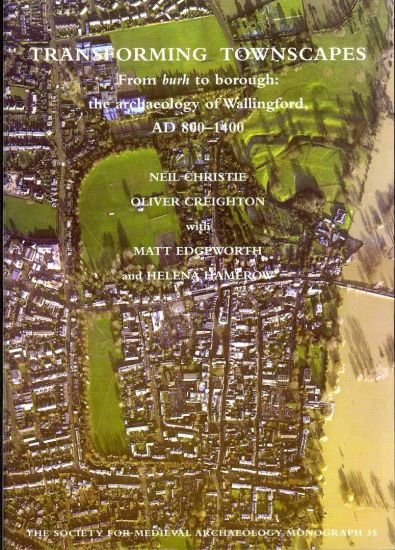
Transforming Townscapes

Transforming Townscapes

Neil Christie; Oliver Creighton; Matt Edgeworth; Helena Hamerow

Legenda
2013
nidottu
Transforming Townscapes details the results of a major archaeological project based on and around the historic town of Wallingford in south Oxfordshire. Founded in the late Saxon period as a key defensive and administrative focus next to the Thames, the settlement also contained a substantial royal castle established shortly after the Norman Conquest. The volume traces the pre-town archaeology of Wallingford and then analyses the town’s physical and social evolution, assessing defences, churches, housing, markets, material culture, coinage, communications and hinterland.
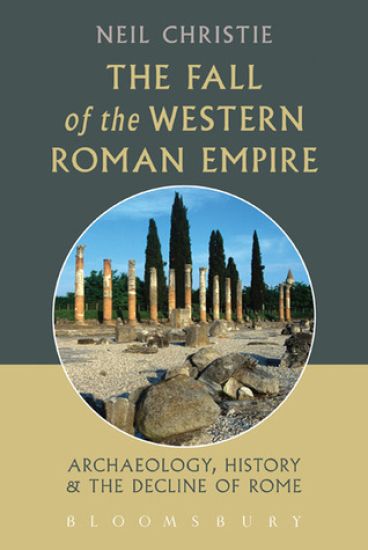
The Fall of the Western Roman Empire

The Fall of the Western Roman Empire

Neil Christie

Bloomsbury Academic
2011
sidottu
The decline of the Roman Empire has been a subject of fascination and debate for centuries. In this original new work, Neil Christie draws on numerous sources, interweaving the latest archaeological evidence, to reconstruct the period's landscape and events. In the process, he rethinks some of historians' most widely held and long-established views: Was the Empire's disintegration caused primarily by external or internal factors? Why did the Eternal City of Old Rome collapse in the West, while the ‘New Rome' of Constantinople endured in the East? What was destroyed and what remained of Roman culture after successive invasions by Vandals, Goths, Huns and other ‘barbarians', and what was the impact of the new Christian religion? As Christie expertly demonstrates, the archaeology of the late Roman period reveals intriguing answers to these and other questions. Taking an innovative, interdisciplinary approach that combines traditional historical methods and a unique familiarity with the Empire's physical remnants, he uncovers new aspects of Rome's military struggles, its shifting geography, and the everyday lives of its subjects.Written in a clear, accessible style, The Fall of the Western Roman Empire is a perfect introduction for newcomers to the subject, and essential reading for undergraduate students and specialists in archaeology and ancient history.
The Fall of the Western Roman Empire

The Fall of the Western Roman Empire

Neil Christie

Bloomsbury Academic
2011
nidottu
The decline of the Roman Empire has been a subject of fascination and debate for centuries. In this original new work, Neil Christie draws on numerous sources, interweaving the latest archaeological evidence, to reconstruct the period's landscape and events. In the process, he rethinks some of historians' most widely held and long-established views: Was the Empire's disintegration caused primarily by external or internal factors? Why did the Eternal City of Old Rome collapse in the West, while the ‘New Rome' of Constantinople endured in the East? What was destroyed and what remained of Roman culture after successive invasions by Vandals, Goths, Huns and other ‘barbarians', and what was the impact of the new Christian religion? As Christie expertly demonstrates, the archaeology of the late Roman period reveals intriguing answers to these and other questions. Taking an innovative, interdisciplinary approach that combines traditional historical methods and a unique familiarity with the Empire's physical remnants, he uncovers new aspects of Rome's military struggles, its shifting geography, and the everyday lives of its subjects.Written in a clear, accessible style, The Fall of the Western Roman Empire is a perfect introduction for newcomers to the subject, and essential reading for undergraduate students and specialists in archaeology and ancient history.
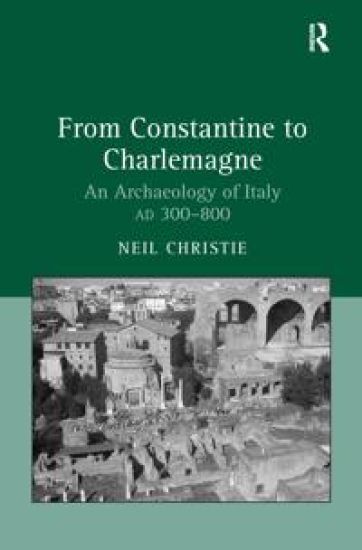
From Constantine to Charlemagne

From Constantine to Charlemagne

Neil Christie

Ashgate Publishing Limited
2006
sidottu
This book offers an overview of the archaeological and structural evidence for one of the most vital periods of Italian history, spanning the late Roman and early medieval periods. The chronological scope covers the adoption of Christianity and the emergence of Rome as the seat of Western Christendom, the break-up of the Roman west in the face of internal decay and the settlement of non-Romans and Germanic groups, the impact of Germanic and Byzantine rule on Italy until the rise of Charlemagne and of a Papal State in the later eighth century. Presenting a detailed review and analysis of recent discoveries by archaeologists, historians, art historians, numismatists and architectural historians, Neil Christie identifies the changes brought about by the Church in town and country, the level of change within Italy under Rome before and after occupation by Ostrogoths, Byzantines and Lombards, and reviews wider changes in urbanism, rural exploitation and defence. The emphasis is on human settlement on its varied levels - town, country, fort, refuge - and the assessment of how these evolved and the changes that impacted on them. Too long neglected as a 'Dark Age', this book helps to further illuminate this fascinating and dynamic period of European history.
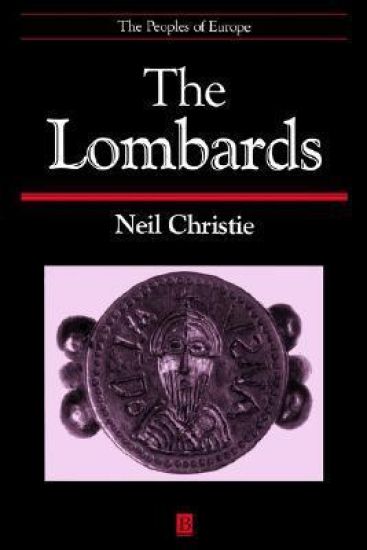
The Lombards

The Lombards

Neil Christie

JOHN WILEY AND SONS LTD
1998
nidottu
This book offers a survey of the history and archaeology of the Longobards (known until recently as the Lombards), one of the many barbarian tribes who exploited the collapse of the Roman Empire.