Kirjojen hintavertailu. Mukana 12 390 323 kirjaa ja 12 kauppaa.

Kirjailija

Neil Cossons

Kirjat ja teokset yhdessä paikassa: 4 kirjaa, julkaisuja vuosilta 2002-2025, suosituimpien joukossa Thomas Telford. Vertaile teosten hintoja ja tarkista saatavuus suomalaisista kirjakaupoista.

4 kirjaa

Kirjojen julkaisuhaarukka 2002-2025.

Thomas Telford

Thomas Telford

L T C Rolt; Neil Cossons

The History Press Ltd
2007
nidottu
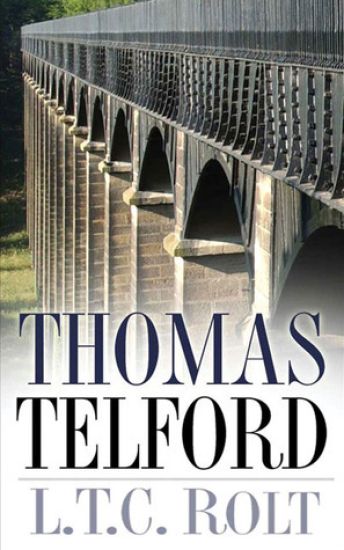
Thomas Telford, the son of a shepherd, was born in Westerkirk, Scotland in 1757. At the age of 14, he was apprenticed to a stonemason. He worked for a time in Edinburgh and in 1792, he moved to London where he was involved in building additions to Somerset House. Two years later, he found work at Portsmouth dockyard. In 1787, he became surveyor of public works for Shropshire. By this time, Telford had established a good reputation as an engineer and in 1790 was given the task of building a bridge over the River Severn at Montford. This was followed by a canal that linked the ironworks and collieries of Wrexham with Chester and Shrewsbury. This involved building an aqueduct over the River Dee. On the Pontcysyllte Aqueduct, Telford used a new method of construction consisting of troughs made from cast-iron plates and fixed in masonry.After the completion of the Ellesmere Canal Telford moved back to Scotland where he took control of the building of Caledonian Canal. Other works by Telford include the Menai Suspension Bridge (1819-1826) and the Katherine's Docks (1824-1828) in London. Telford was also an important road builder. He was responsible for rebuilding the Shrewsbury to Holyhead road and the North Wales coast road between Chester and Bangor. During his life, Telford built more than 1,000 miles of road, including the main road between London and Holyhead. Thomas Telford died in 1834.
Loco Motion

Loco Motion

Michael R Bailey; Neil Cossons

THE HISTORY PRESS LTD
2025
nidottu
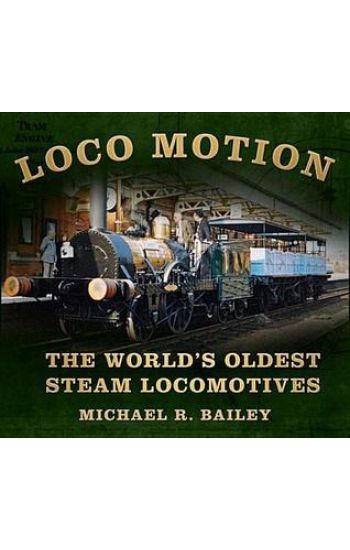
The steam locomotive is a machine that has inspired imagination, innovation and invention from the time of its origination and continues to evoke passion in enthusiasts today. Here Michael R. Bailey, expertly and in fascinating detail, describes the development of the steam locomotive during its pioneering first half-century until 1850 by exploring the surviving locomotives that may be seen in Britain, Europe, and North and South America.In addition to surviving relics, he also takes a look at operable replicas, which fill many gaps in international collections, to provide continuity in this evolutionary story.Exploring in depth each example’s operational and preservation history, along with design characteristics, component materials and modifications made, no detail is left unmentioned. With unparalleled detail, incredibly stunning images and a list of museums housing all of the world’s oldest locomotives, this truly is a volume that no student of railway history should be without.
Loco Motion

Loco Motion

Michael R Bailey; Neil Cossons

The History Press Ltd
2014
sidottu
The steam locomotive is a machine that has inspired imagination, innovation and invention from the time of its origination and continues to evoke passion in enthusiasts today. Here Michael R. Bailey, expertly and in fascinating detail, describes the development of the steam locomotive during its pioneering first half-century until 1850 by exploring the surviving locomotives that may be seen in Britain, Europe, and North and South America.In addition to surviving relics, he also takes a look at operable replicas, which fill many gaps in international collections, to provide continuity in this evolutionary story.Exploring in depth each example’s operational and preservation history, along with design characteristics, component materials and modifications made, no detail is left unmentioned. With unparalleled detail, incredibly stunning images and a list of museums housing all of the world’s oldest locomotives, this truly is a volume that no student of railway history should be without.
The Iron Bridge

The Iron Bridge

Neil Cossons; Barrie Trinder

Phillimore Co Ltd
2002
nidottu
The first bridge ever to be built of iron, in 1779, is perhaps the most important industrial monument in Britain. The bridge changed the pattern of communications in its area, and attracted thousands of sightseers. The first book with this title marked the bicentenary in 1979, explaining the conception, design and construction of the bridge and its social impact. However, since then, so much new evidence has required a completely new account. Of the iron bridges built in the half century after 1781, this book identifies nearly twice as many as the first edition. The definitive history by the two authors best qualified to write it.