

Kirjailija
Neil Munro
Kirjat ja teokset yhdessä paikassa: 107 kirjaa, julkaisuja vuosilta 1991-2026, suosituimpien joukossa Bud. Vertaile teosten hintoja ja tarkista saatavuus suomalaisista kirjakaupoista.
107 kirjaa
Kirjojen julkaisuhaarukka 1991-2026.
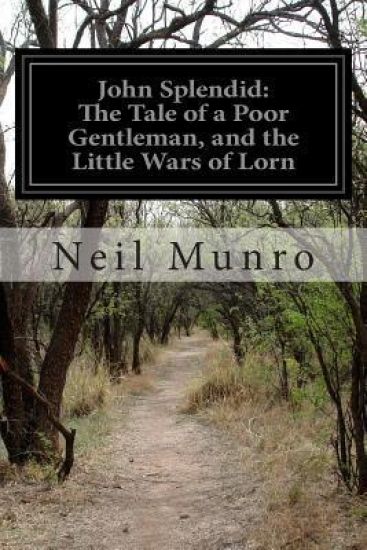
John Splendid: The Tale of a Poor Gentleman, and the Little Wars of Lorn
Neil Munro
Createspace Independent Publishing Platform
2014
nidottu
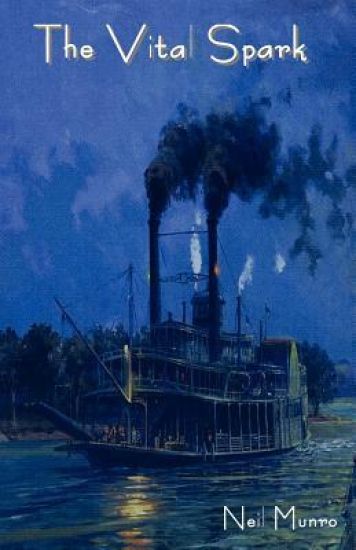

John Splendid the Tale of a Poor Gentleman, and the Little Wars of Lorn
Neil Munro
Tredition Classics
2012
pokkari
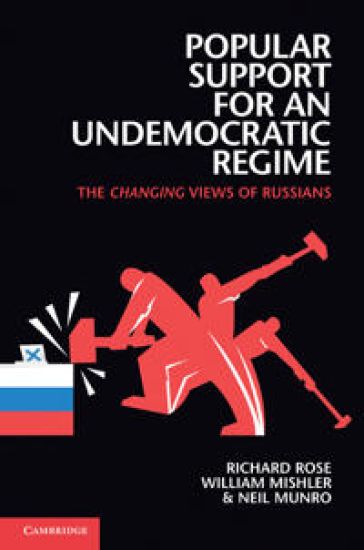
Popular Support for an Undemocratic Regime
Rose Richard; Mishler William; Neil Munro
Cambridge University Press
2011
sidottu
To survive, all forms of government require popular support, whether voluntary or involuntary. Following the collapse of the Soviet system, Russia's rulers took steps toward democracy, yet under Vladimir Putin Russia has become increasingly undemocratic. This book uses a unique source of evidence, eighteen surveys of Russian public opinion from the first month of the new regime in 1992 up to 2009, to track the changing views of Russians. Clearly presented and sophisticated figures and tables show how political support has increased because of a sense of resignation that is even stronger than the unstable benefits of exporting oil and gas. Whilst comparative analyses of surveys on other continents show that Russia's elite is not alone in being able to mobilize popular support for an undemocratic regime, Russia provides an outstanding caution that popular support can grow when governors reject democracy and create an undemocratic regime.
Popular Support for an Undemocratic Regime
Rose Richard; Mishler William; Neil Munro
Cambridge University Press
2011
pokkari
To survive, all forms of government require popular support, whether voluntary or involuntary. Following the collapse of the Soviet system, Russia's rulers took steps toward democracy, yet under Vladimir Putin Russia has become increasingly undemocratic. This book uses a unique source of evidence, eighteen surveys of Russian public opinion from the first month of the new regime in 1992 up to 2009, to track the changing views of Russians. Clearly presented and sophisticated figures and tables show how political support has increased because of a sense of resignation that is even stronger than the unstable benefits of exporting oil and gas. Whilst comparative analyses of surveys on other continents show that Russia's elite is not alone in being able to mobilize popular support for an undemocratic regime, Russia provides an outstanding caution that popular support can grow when governors reject democracy and create an undemocratic regime.

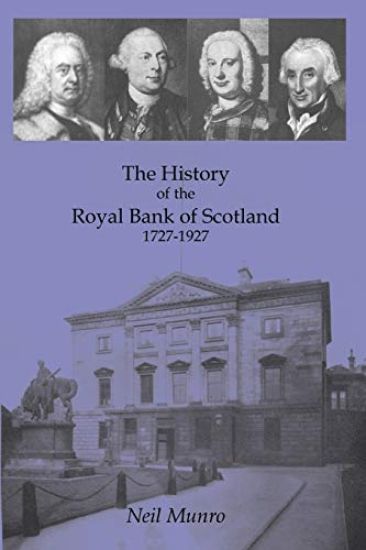
Emerging from the aftermath of the disastrous Darien Scheme and the Treaty of Union (1707) the Royal Bank was established in 1727 to play a major role in many aspects of Scottish life. This book not only charts the fascinating history of the Royal Bank itself; it also brings to life events and personalities connected with it over two centuries. We get fascinating glimpses into the Jacobite invasion of Edinburgh, architectural development in Edinburgh and Glasgow and the expansion of the railways. There are also marvellous insights into aspects of important personalities like Archibald, Earl of Ilay, first Governor of the bank, David Dale and Sir Walter Scott. Neil Munro (1860-1930), distinguished author and journalist - and most famous for his hilarious tales of Para Handy and his puffer Vital Spark - displays with his History of the Royal Bank of Scotland (1727-1927) yet another aspect of his skill as a writer.
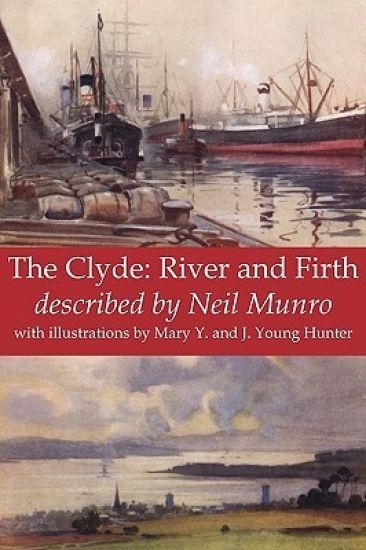
For this, one of a series of illustrated volumes, first published in 1907, Neil Munro (1863-1930) was surely the ideal choice of author with his versatility as historical novelist and journalist. Born and bred in Inveraray, he spent years on the Glasgow Evening News, contributing two well-loved columns that envious colleagues would describe as having "the Munro touch". Para Handy made his first casual appearance in those pages. This book is a rich storehouse of facts geographical and historical, but it too shows "the Munro touch". We feel his joie de vivre and his innate love of his own corner of the world as he accompanies us from the river's source at Little Clyde Farm, past the orchards near Lanark, the shipyards of Glasgow, down to the Firth itself in its "doon the watter" heyday, ending with chapters on Loch Fyne and the islands. With sixty-seven black-and-white illustrations.
The abrupt transformation of one-party Communist regimes into political systems holding competitive elections challenges theories of democracy by evolution. Part One develops an inter-active model of how the supply of parties by political elites shapes the responses of inexperienced electors, and what this means for the institutionalisation of party systems and party identification. The model is then applied to elections since 1990 in ten Central and East European democracies that are now members of the European Union. Part Two provides a definitive and up to date text of election results and the formation and disappearance of parties in these ten countries. In addition, there is a lengthy chapter on elections in Russia.
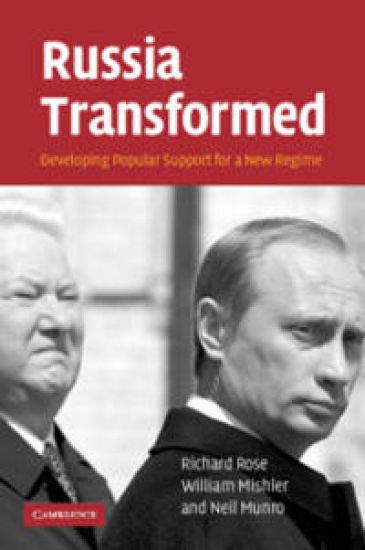
Russia Transformed
Richard Rose; William Mishler; Neil Munro
Cambridge University Press
2006
sidottu
Since the fall of communism Russia has undergone a treble transformation of its political, social and economic system. The government is an autocracy in which the Kremlin manages elections and administers the law to suit its own ends. It does not provide the democracy that most citizens desire. Given a contradiction between what Russians want and what they get, do they support their government and, if so, why? Using the New Russia Barometer - a unique set of public opinion surveys from 1992 to 2005 - this book shows that it is the passage of time that has been most important in developing support for the new regime. Although there remains great dissatisfaction with the regime's corruption, it has become accepted as a lesser evil to alternatives. The government appears stable today, but will be challenged by constitutional term limits forcing President Putin to leave office in 2008.