Kirjailija
Neil R Storey
Kirjat ja teokset yhdessä paikassa: 69 kirjaa, julkaisuja vuosilta 1980-2026, suosituimpien joukossa The Haunted Castles of England. Vertaile teosten hintoja ja tarkista saatavuus suomalaisista kirjakaupoista.
Mukana myös kirjoitusasut: Neil R. Storey, NEIL R STOREY
69 kirjaa
Kirjojen julkaisuhaarukka 1980-2026.
Discover the darker side of Norfolk with this remarkable collection of true-life crimes from across the county. Featuring tales of some of the most notorious, nefarious and murderous characters from the county’s past, including pirates, smugglers, highwaymen, poachers, thieves, murderers and bodysnatchers, all factions of the criminal underworld are included in this macabre selection of tales. Drawing on a wide variety of historical sources and containing many cases which have never before been published, Norfolk Villains will fascinate everyone interested in true crime and the history of Norfolk.
This little gem of a book is a repository of intriguing, fascinating, obscure, strange and entertaining facts and trivia about Britain and all the things that have made it great. Within this volume are such themes as myths and legends, traditions and customs, great Britons and great British places, while not forgotten is a celebration of the best of British music, food, entertainment and sport and a host of topics that explore the more eccentric and eclectic people and things that contribute to and define Great Britain. Despite being a relatively small collection of islands, there is always something new, fascinating, frivolous or even bizarre to discover about Great Britain – you will find much of it here.Did You Know?There is no location in Britain which is more than 74½ miles from the sea.The first person in Britain to be convicted of speeding was Walter Arnold of Kent, who in 1896 was fined 1s plus costs for driving at a breakneck 8mph.Britain has some thoroughly unusual pub names, including: The Bucket of Blood in Phillack, Cornwall, The Honest Lawyer in Folkestone and The Old Thirteenth Cheshire Astley Volunteer Rifleman Corps Inn in Stalybridge – which also enjoys the honour of having Britain’s longest pub name.Her Majesty Queen Elizabeth II is a well-known corgi fan. She has owned no fewer than 30 during her reign, the first being Susan, who was given to her in 1944.
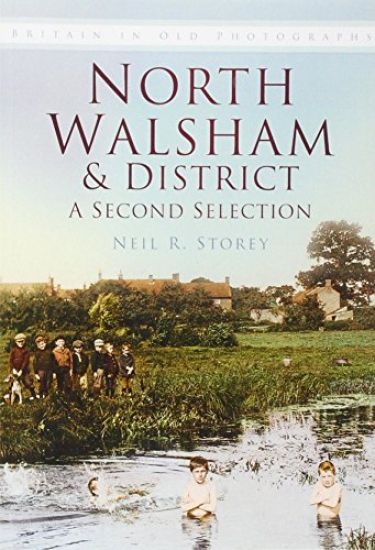
North Walsham & District IOP: A Second Selection
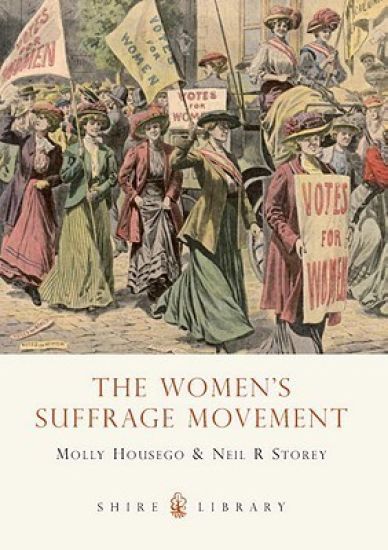
A colourfully illustrated history of the Women's Suffrage movement, which eventually gained the vote for all British women in 1918.The popular image of a women's suffrage activist is a stoical woman chained to railings or committing criminal acts to attract publicity for the cause. While such women as Emmeline Pankhurst and Emily Wilding Davison embody this image, these militant 'Suffragettes' of the Women's Social and Political Union were in fact a small part of a wider movement that operated mainly through peaceful means. Molly Housego and Neil Storey here trace the evolution of the women's suffrage movement from its emergence in the nineteenth century, through the various divisions that emerged over how to conduct the campaign, to its apogee before the First World War – an event that highlighted the abilities of British women and helped to gain them the vote in 1918.
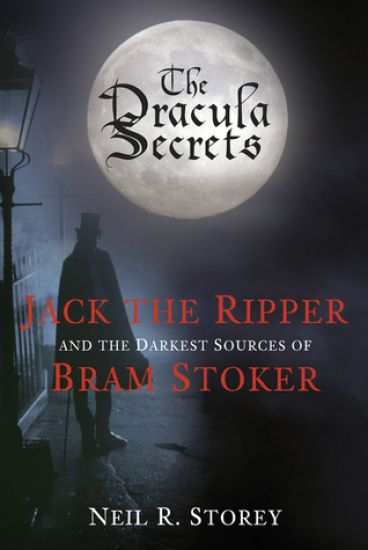
Since the first publication of Dracula in 1897, there have been suggestions that the book’s protagonist is more closely associated with Jack the Ripper than a Transylvanian count. In The Dracula Secrets, historian Neil R. Storey undertakes an in-depth investigation of the sources used by Stoker during the writing of his seminal masterpiece. Painting an evocative portrait of Stoker, his influences, his friends and the London he frequented in the late nineteenth century, Storey explores how Stoker created Dracula out of the climate of fear that was created by the Whitechapel murders in 1888. Indeed he asks, did Stoker know Jack the Ripper personally and hide the clues to this terrible knowledge in his book? Having gained unprecedented access to the unique archive of one of Stoker’s most respected friends and the dedicatee of Dracula, Storey sheds new light on both Stoker and Dracula, and reveals startling new links between Stoker’s creation and the most infamous serial killer of all time.
Neil R. Storey’s macabre calendar chronicles the darker side of life in Essex. Murderers and footpads, pimps and prostitutes, riots, rebels, bizarre funerals, disaster and peculiar medicine all feature. The book is illustrated with engravings, newspaper reports, photographs and original documents. It is horrible, if it is ghastly, if it is strange, then it is here! If you have the stomach for it, then read on.
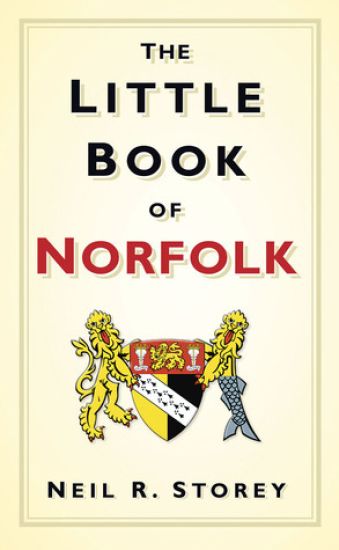
The Little Book of Norfolk is a repository of intriguing, fascinating, obscure, strange and entertaining facts and trivia about one of England’s most colourful counties. It is an essential to the born and bred Norfolk folk or anyone who knows and loves the county. Armed with this fascinating tome the reader will have such knowledge of the county, its landscape, people, places, pleasures and pursuits they will be entertained and enthralled and never short of some frivolous fact to enhance conversation or quiz! A reference book and a quirky guide, this can be dipped in to time and time again to reveal something new about the people, the heritage, the secrets and the enduring fascination of the county. A remarkably engaging little book, this is essential reading for visitors and locals alike.
A Grim Almanac of Lincolnshire is a day-by-day catalogue of 365 ghastly tales from around the county dating from the twelfth to the twentieth centuries. Full of dreadful deeds, macabre deaths, strange occurrences and heinous homicides, this almanac explores the darker side of Lincolnshire’s past. This compilation contains such diverse tales of highwaymen, smugglers, giants, hangmen, poachers, witches, rioters and rebels, as well as accounts of old lock-ups, prisons, bridewells and punishments. All these, plus tales of murder, suicide, mysterious deaths, accidents by land, sea and air, and much more, are here. If you have ever wondered about what nasty goings-on occurred in the Lincolnshire of yesteryear, then look no further — it’s all here, and if you have the stomach for it, then read on... if you dare!
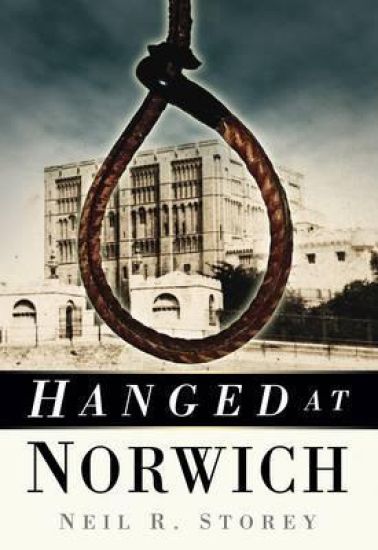
This is the story of those who ended up on the end of the hangman’s rope at Norwich Castle Prison, Norwich City Prison on Earlham Road and the later Victorian Norwich Prison on Knox Road. The executions included in this book range from some of the earliest recorded in the county during the thirteenth century, then down the years including two gallows survivors and the execution of Kett and many of his rebels in 1549, to the last execution conducted in the county in 1951, when two young men went to the gallows for separate incidents but having committed the same crime — they both murdered their pregnant sweethearts. Recorded here are executions for a host of forgotten cases and a cornucopia of crimes as diverse as highway robbery, housebreaking, riot, arson and theft of livestock. Norwich was the location for the hangings of such notorious criminals as Frances Billing and Catherine Frary ‘The Burnham Poisoners’ — the last public double execution and last women to hang in the county; James Blomfield Rush, the Stanfield Hall Murderer; William Sheward, the murderer who confessed almost eighteen years after the murder and dismemberment of his wife; and Herbert Bennett, the Yarmouth Bootlace Murderer who may, or may not, have been guilty of his crime. Norwich Castle Prison was also the scene of one of the most infamous incidents in the history of British hangings and recalled with trepidation by all executioners who came after as ‘The Goodale Mess’.
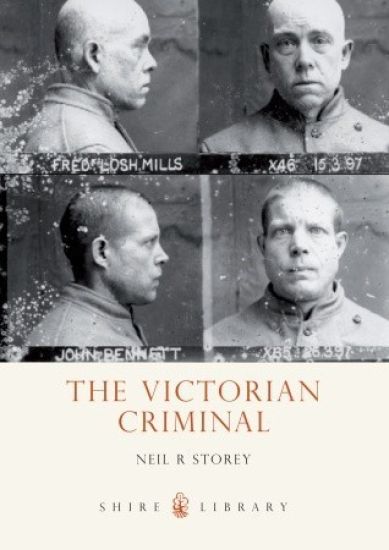
From gaslit city streets to dark wooded estates, crime was rife in Victorian Britain; through a wide array of historical court records, newspaper accounts and prison books, The Victorian Criminal gives a fascinating overview of those involved in it. Within these pages may be found accounts of petty criminals and poachers, baby farmers and notorious murderers, along with stories of the development of detective forces and forensic techniques. Countless novels, plays and films are testament to an enduring fascination with the dark aspects of the time and place that gave us Sherlock Holmes, Wilkie Collins and the great works of Charles Dickens.
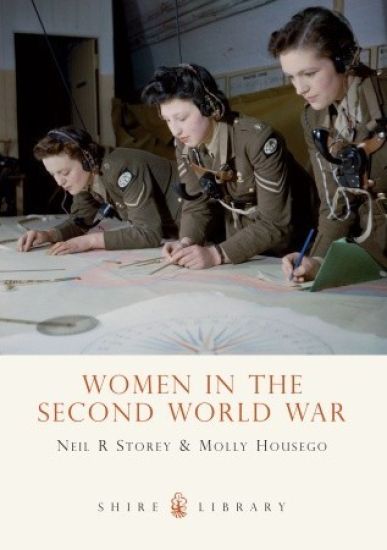
As the world became embroiled in the second global conflagration in just over two decades, the women of Britain once more answered the call of duty. Many of the first volunteers had served in the Great War and now they offered their services again – this time bringing their daughters with them. During World War II women proved themselves indispensable to the war effort, serving in both military units abroad and in home-front organisations through the darkest hours of the Blitz. Illustrated with contemporary black-and-white and some rare colour photographs, documents and ephemera, this poignant and moving book tells the stories of these women.
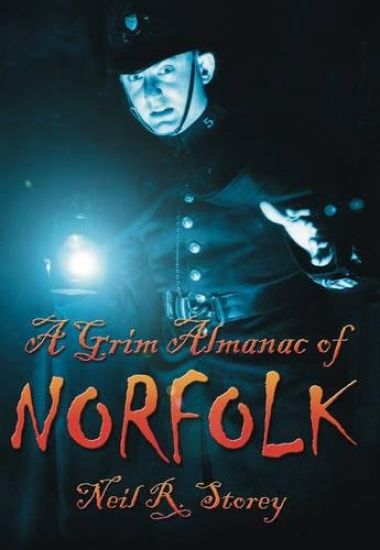
Did you know... In one of the last executions in Norwich Castle Gaol in 1885 an event so horrible occurred that a shadow was cast on the nation’s Public Executioner for the rest of his career? And Matthew Hopkins, ‘The Witchfinder General’, found witches in King’s Lynn, Norwich and Great Yarmouth in the mid-seventeenth century? Have you ever wondered about the darker history of Norfolk? If you have then enquire within. This almanac explores dreadful deeds, macabre deaths, strange occurrences and grim tales from the shadier side of the county’s past. Jostling for position in this cornucopia of the criminal and curious are diverse tales of highwaymen, smugglers, murderers, bodysnatchers, duellists, footpads, poachers, rioters and rebels. This sordid cast of characters is deservedly accompanied by accounts of lock-ups, prisons, bridewells and punishments, as well as a liberal smattering of bizarre funerals, disasters and peculiar medicine. If it’s horrible, if it’s ghastly, if it’s strange, it’s here — and if you have the stomach for it, then read on...
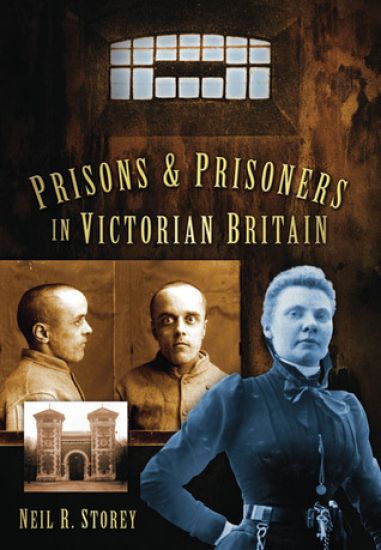
Prisons and Prisoners In Victorian Britain provides an illustrated insight into the Victorian prison system and the experiences of those within it - on both sides of the bars. Featuring stories of crime and misdeeds, this fascinating book includes chapters on a typical day inside a Victorian prison - food, divine service, exercise and medical provision; the punishments inflicted on convicts - such as hard labour, flogging, the treadwheel and shot drill; and an overview of the ultimate penalty paid by prisoners - execution. Richly illustrated with a series of photographs, engravings, documents and letters, this volume is sure to appeal to all those interested in crime and social history in Victorian Britain.
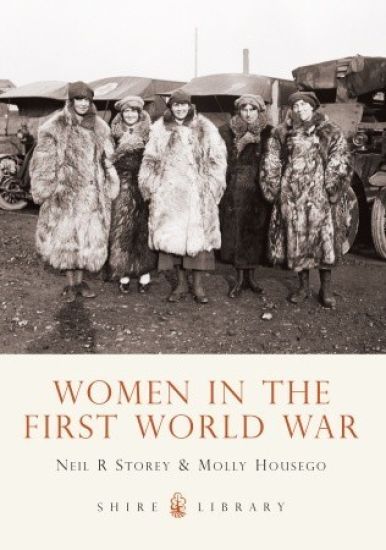
As millions of young men marched off to war, they left behind mothers, wives, sisters, and sweethearts who were determined to contribute to the British cause. Women enrolled as nurses to treat wounded soldiers, and over 700,000 became workers in factories making munitions. Women also took on hundreds of jobs formerly done by men, such as bus conductors and billposters. Later in the war women were accepted into the armed services, serving behind the lines as auxiliaries. This book looks at the realities and the myths of the role of women in the war effort. Illustrated with archive photographs, this is an ideal introduction for anyone wanting to know more about the vital role played by women in the First World War.
A Grim Almanac of Cambridgeshire is a day-by-day catalogue of 365 ghastly tales from around the county dating from the twelfth to the twentieth centuries. Full of dreadful deeds, macabre deaths, strange occurrences and heinous homicides, this almanac explores the darker side of the county's past. The wicked, the mad, the violent and the bad are all crammed into this volume. Here are stories of tragedy, torment and the truly unfortunate with diverse tales of highwaymen, murderers, bodysnatchers, duellists, poachers, witches, giants, Fen Tigers, rioters and rebels. Joining them are accounts of tragic suicides, accidents and opium eaters. The author takes us to prisons, bridewells and workhouses and even on to the gallows as the condemned face their final moments. Neil R. Storey's new book is generously illustrated with rare and unusual engravings and photographs. This chronicle is an entertaining and readable record of the darker history of Cambridgeshire. Read on... if you dare.
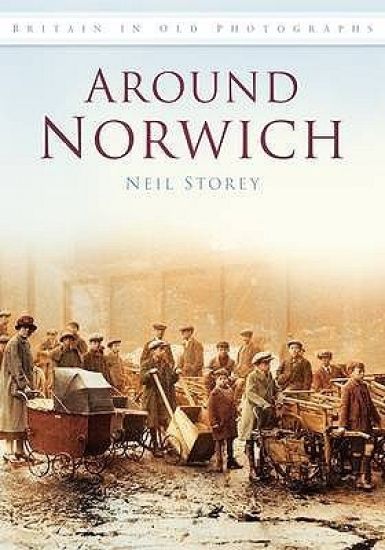
Around Norwich is not just another book on this fine city. Combining many previously unpublished photographs of outstanding quality and interest with well-researched captions, including many new facts and stories, one of the county's foremost local historians has created a fascinating narrative of the city, suburbs, people, shops and events of the past. Some images will be reassuringly familiar, some have changed or are lost beyond recollection. In one of its most turbulent centuries, the city has lived through the coming of the trains and the tram system, the Baedeker Blitz of 1942 and the construction of the inner link roads in the 1960s. It also takes a look at some of the sports and entertainment; from Norwich City FC playing at 'The Nest' to The Hippodrome Theatre. This book will be an enduring and nostalgic record, of interest to anyone who knows and loves the City of Norwich.
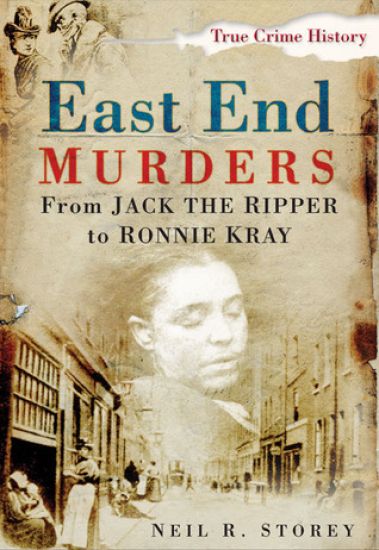
Neil R. Storey has drawn on a vast array of original sources - among them witness statements, coroners' reports and court records - to produce a revealing insight into the East End's darkest moments. As well as the murders of Jack the Ripper, perhaps the most infamous in history, he looks at nine other cases in detail: the still mysterious Ratcliffe Highway Murders of 1811; Henry Wainwright, who dismembered his mistress and rolled up her remains in a carpet in 1874; Israel Lipski, whose name became a term of derision and abuse against Jews in East London for years following his conviction for the murder of a young woman in 1887; the unsolved murder of Frances Coles in 1891; the Whitechapel High Street Newspaper Shop Murder in 1904; the Houndsditch Murders and the Siege of Sidney Street in 1910, in which a robbery potted by Russian anarchists went badly wrong; the throat-cutting William Cronin in 1925; the Bow Road Cinema Murder in 1934; and finally the shooting of George Cornell by Ronnie Kray at the Blind Begger pub in 1966. East End Murders is a unique re-examination of the darker side of the capital's past.
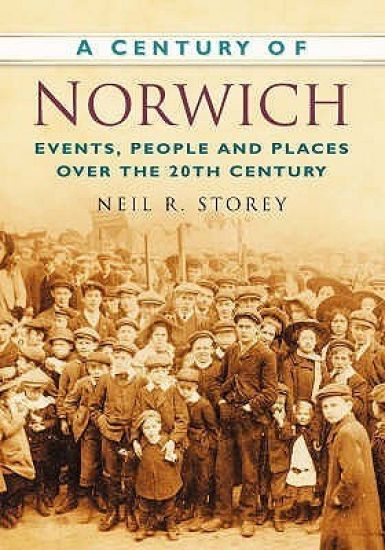
The book offers an insight into the daily lives and living conditions of local people and gives the reader glimpses and details of familiar places during a century of unprecedented change. Many aspects of Norwich's recent history are covered, famous occasions and individuals are remembered and the impact of national and international events is witnessed. The book provides a striking account of the changes that have so altered Norwich's appearance and records the process of transformation. Drawing on detailed local knowledge of the community, and illustrated with a wealth of black-and-white photographs, this book recalls what Norwich has lost in terms of buildings, traditions and ways of life. It also acknowledges the regeneration that has taken place and celebrates the character and energy of local people as they move through the first years of this new century.
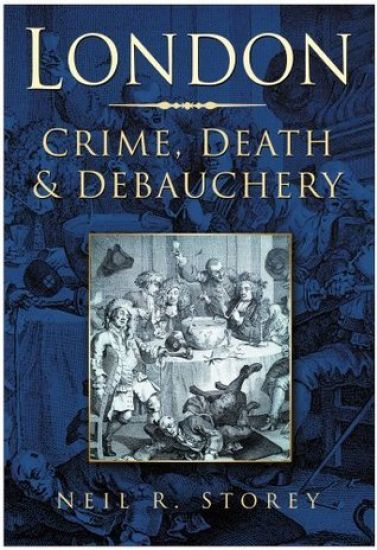
London: Crime, Death & Debauchery is an alternative history of the darker side of Britain's capital city. No other book on London covers this topic in such a complete fashion, with cases ranging from the Restoration to the early nineteenth century. It weaves macabre accounts into an entertaining criminal history accessible to all. Featuring countless stories of infamous misdeeds and scandalous behaviour, the book includes duelling, murder, gaol breaks, rioting, body snatchers, robbery, suicide, drinking, infanticide, gambling, highwaymen, fraud and executions. Illustrated with a series of engravings, drawings and photographs that help to paint a picture of historic London's seedier side, Neil R. Storey brings together a selection of tales to shock, scare and entertain.
A Grim Almanac of Jack the Ripper's London 1870-1900
Neil R Storey
The History Press Ltd
2007
nidottu
Jostling for position in this cornucopia of the criminal and the curious are diverse tales of baby farmers, garrotters, murderers, poisoners, prostitutes, pimps, rioters and rebels. Other tales tell of those who walked the poverty-stricken streets of 'the abyss', trying to earn a few honest coppers by the most unusual and desperate occupations, from tater man to tosher. This colourful cast of characters is accompanied by accounts of prisons and punishments, as well as a liberal smattering of funerals, executions, disasters and bizarre events. If it's horrible, if it's ghastly, if it's strange, its here - and if you have the stomach for it, then read on.