Kirjojen hintavertailu. Mukana 12 595 353 kirjaa ja 12 kauppaa.

Kirjailija

Nicholas P. Cheremisinoff

Kirjat ja teokset yhdessä paikassa: 39 kirjaa, julkaisuja vuosilta 1987-2020, suosituimpien joukossa Clean Electricity Through Advanced Coal Technologies. Vertaile teosten hintoja ja tarkista saatavuus suomalaisista kirjakaupoista.

Mukana myös kirjoitusasut: Nicholas P Cheremisinoff

39 kirjaa

Kirjojen julkaisuhaarukka 1987-2020.

Practical Statistics for Engineers and Scientists

Practical Statistics for Engineers and Scientists

Nicholas P. Cheremisinoff; Louise Ferrante

CRC Press
2020
nidottu
This book provides direction in constructing regression routines that can be used with worksheet software on personal computers. The book lists useful references for those readers who desire more in-depth understanding of the mathematical bases, and is helpful for science and engineering students.
Handbook of Pollution Prevention Practices

Handbook of Pollution Prevention Practices

Nicholas P. Cheremisinoff

CRC Press
2020
nidottu
This text provides approaches and methodologies for implementing pollution prevention (P2) and waste minimization programmes to reduce manufacturing operational costs significantly. It focuses on reducing manufacturing and environmental compliance costs by instituting feedstock substitution, improved operational schemes, recycling and by-product recovery, waste minimization, and energy efficiency policies, and offers project cost accounting tools that assist in evaluating money-saving P2 options.
Engineering Mathematics and Statistics

Engineering Mathematics and Statistics

Nicholas P. Cheremisinoff; Paul N. Cheremisinoff

CRC Press
2019
nidottu
This pocket handbook is intended as a handy reference guide for engineers, scientists and students on widely used mathematical relationships, statistical formulas and problem-solving methods, including illustrated examples for problem-solving methods.
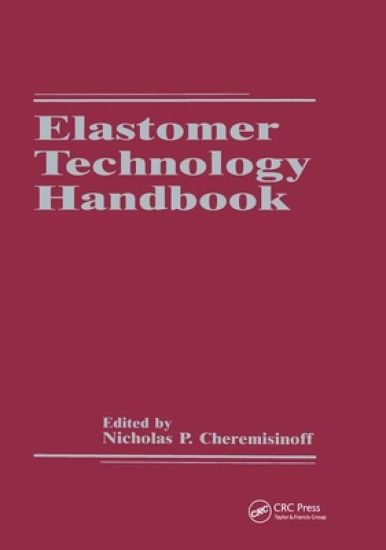
Elastomer Technology Handbook

Elastomer Technology Handbook

Nicholas P. Cheremisinoff; Paul N. Cheremisinoff

CRC Press
2019
nidottu
Elastomer Technology Handbook is a major new reference on the science and technology of engineered elastomers. This contributed volume features some of the latest work by international experts in polymer science and rubber technology. Topics covered include theoretical and practical information on characterizing rubbers, designing engineering elastomers for consumer and engineering applications, properties testing, chemical and physical property characterization, polymerization chemistry, rubber processing and fabrication methods, and rheological characterization. The book also highlights both conventional and emerging market applications for synthetic rubber products and emphasizes the latest technology advancements. Elastomer Technology Handbook is a "must have" book for polymer researchers and engineers. It will also benefit anyone involved in the handling, manufacturing, processing, and designing of synthetic rubbers.
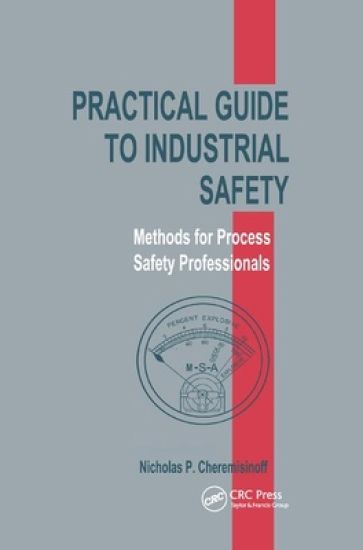
Practical Guide to Industrial Safety

Practical Guide to Industrial Safety

Nicholas P. Cheremisinoff

CRC Press
2019
nidottu
A practical guide to industrial safety. It seeks to assist specialists in managing operations in industrial settings, including high-risk personal exposure such as inhalation hazards and direct chemical contact. It covers hazards in the chemical process industries, inhalation hazards in refineries, indoor air quality management, personal protective equipment, process safety emergency preparedness, safety in the laboratory, and more. There are Web site listings, NFPA hazard ratings, and other sources of information.
Introduction to Polymer Rheology and Processing

Introduction to Polymer Rheology and Processing

Nicholas P. Cheremisinoff

CRC Press
2017
sidottu
An Introduction to Polymer Rheology and Processing is a practical desk reference providing an overview of operating principles, data interpretation, and qualitative explanation of the importance and relationship of rheology to polymer processing operations. It covers full-scale processing operations, relating industrial processing operations and design methodology to laboratory-scale testing. Hundreds of design formulas applicable to scaling up the processing behavior of polymeric melts are presented. The book also provides a "working knowledge" description of major rheological test methods useful in product development and includes a useful glossary of polymer and test method/instrumentation definitions. Lavishly illustrated and featuring numerous sample calculations and modeling approaches, An Introduction to Polymer Rheology and Processing is a "must have" book for polymer engineers and rheologists.
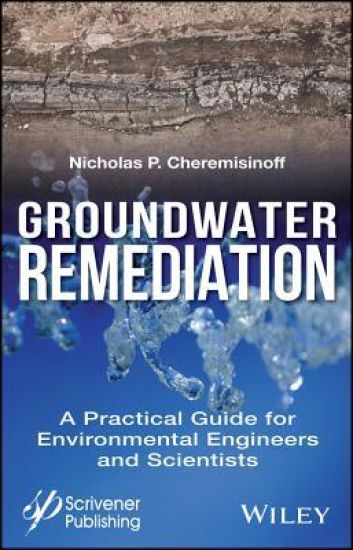
Groundwater Remediation

Groundwater Remediation

Nicholas P. Cheremisinoff

John Wiley Sons Inc
2017
sidottu
Written by one of the world's foremost authorities on the subject, this is the most comprehensive and in-depth treatment available to environmental engineers and scientists for the remediation of groundwater, one of the earth's most precious resources. Groundwater is one of the Earth's most precious resources. We use it for drinking, bathing, and many other purposes. Without clean water, humans would cease to exist. Unfortunately, because of ignorance or lack of caring, groundwater is often contaminated through industrialization, construction or any number of other ways. It is the job of the environmental engineer to remediate the contaminated groundwater and make what has been tainted safe again.Selecting the proper remediation strategy and process is the key to moving forward, and, once this process has been selected, it must be executed properly, taking into consideration the costs, the type of contaminants that are involved, time frames, and many other factors. This volume provides a broad overview of the current and most widely applied remedial strategies. Instead of discussing these strategies in a generic way, the volume is organized by focusing on major contaminants that are of prime focus to industry and municipal water suppliers. The specific technologies that are applicable to the chemical contaminants discussed in different chapters are presented, but then cross-referenced to other chemical classes or contaminants that are also candidates for the technologies. The reader will also find extensive cost guidance in this volume to assist in developing preliminary cost estimates for capital equipment and operations & maintenance costs, which should be useful in screening strategies. The eight chapters cover all of the major various types of contaminants and their industrial applications, providing a valuable context to each scenario of contamination. This is the most thorough and up-to-date volume available on this important subject, and it is a must-have for any environmental engineer or scientist working in groundwater remediation.
Perfluorinated Chemicals (PFCs)

Perfluorinated Chemicals (PFCs)

Nicholas P. Cheremisinoff

John Wiley Sons Inc
2017
sidottu
This new volume provides a timely study on the environmental challenges from a specific class of perfluorinated chemical compounds (PFCs) that are now being recognized as a worldwide health threat. Recent studies report that levels of classes of PFCs known as polyfluoroalkyl and perfluoroalkyl (PFASs) exceed federally recommended safety levels in public drinking-water supplies for 6 million people in the United States and that as many as 100 million people could be at risk from exposure to these chemicals. These chemicals occur globally in wildlife and humans. Both PFCAs and PFSAs have been produced for more than 50 years, but have only become of interest to regulators and environmentalists since the late 1990s. Recent advances in analytical methodology has enabled widespread detection in the environment and humans at trace levels. These toxic chemicals have been found in outdoor and indoor air, surface and drinking water, house dust, animal tissue, human blood serum, and human breast milk. Of great concern to communities is the presence of these compounds in a number of drinking water supplies in the U.S. and other countries. This new volume provides a timely explanation of the chemicals, provides a detailed review of the regulations both in the US and European Community, explains the health risk literature, and then explores in great detail available treatment technologies. The volume is a must for public water supply facilities, industrial operations that have historically used these chemicals and face legacy pollution issues, policy makers and the general public.
Pollution Control Handbook for Oil and Gas Engineering

Pollution Control Handbook for Oil and Gas Engineering

Nicholas P. Cheremisinoff

John Wiley Sons Inc
2016
sidottu
This is a major new handbook that covers hundreds of subjects that cross numerous industry sectors; however, the handbook is heavily slanted to oil and gas environmental management, control and pollution prevention and energy efficient practices. Multi-media pollution technologies are covered : air, water, solid waste, energy. Students, technicians, practicing engineers, environmental engineers, environmental managers, chemical engineers, petroleum engineers, and environmental attorneys are all professionals who will benefit from this major new reference source. The handbook is organized in three parts. Part A provides an extensive compilation of abbreviations and concise glossary of pollution control and engineering terminology. More than 400 terms are defined. The section is intended to provide a simple look-up guide to confusing terminology used in the regulatory field, as well as industry jargon. Cross referencing between related definitions and acronyms are provided to assist the user. Part B provides physical properties and chemical safety information. This part is not intended to be exhaustive; however it does provide supplemental information that is useful to a number of the subject entries covered in the main body of the handbook. Part C is the Macropedia of Subjects. The part is organized as alphabetical subject entries for a wide range of pollution controls, technologies, pollution prevention practices and tools, computational methods for preparing emission estimates and emission inventories and much more. More than 100 articles have been prepared by the author, providing a concise overview of each subject, supplemented by sample calculation methods and examples where appropriate, and references. Subjects included are organized and presented in a macropedia format to assist a user in gaining an overview of the subject, guidance on performing certain calculations or estimates as in cases pertinent to preliminary sizing and selection of pollution controls or in preparing emissions inventories for reporting purposes, and recommended references materials and web sites for more in-depth information, data or computational tools. Each subject entry provides a working overview of the technology, practice, piece of equipment, regulation, or other relevant issue as it pertains to pollution control and management. Cross referencing between related subjects is included to assist the reader to gain as much of a practical level of knowledge.
Hydraulic Fracturing Operations

Hydraulic Fracturing Operations

Nicholas P. Cheremisinoff; Anton Davletshin

John Wiley Sons Inc
2015
sidottu
Hydraulic fracturing, commonly referred to as “fracking,” is a technique used by the oil and gas industry to mine hydrocarbons trapped deep beneath the Earth’s surface. The principles underlying the technology are not new. Fracking was first applied at the commercial level in the United States as early as 1947, and over the decades it has been applied in various countries including Canada, the UK, and Russia. The author worked with engineering teams as early as the mid-1970s in evaluating ways to improve oil recovery from this practice. By and large fracking was not an economically competitive process and had limited applications until the early 2000s. Several factors altered the importance of this technology, among them being significant technological innovations in drilling practices with impressive high tech tools for exploration, well construction and integrity, and recovery along with discoveries of massive natural gas reserves in the United States and other parts of the world. These factors have catapulted the application of the technology to what is best described as the gold rush of the 21st century, with exploration and natural gas plays proceeding at a pace that seemingly is unrivaled by any historical industrial endeavor. But this level of activity has invoked widespread criticism from concerned citizens and environmental groups in almost every nation across the Globe. This outstanding new volume offers the industry a handbook of environmental management practices that can mitigate risks to the environment and, through best practices and current technologies, to conform to the current standards and regulations that are in place to provide the world with the energy it needs while avoiding environmental damage. For the new hire, veteran engineer, and student alike, this is a one-of-a-kind volume, a must-have for anyone working in hydraulic fracturing.
Dust Explosion and Fire Prevention Handbook

Dust Explosion and Fire Prevention Handbook

Nicholas P. Cheremisinoff

John Wiley Sons Inc
2014
sidottu
Up-to-date and thorough coverage of the causes, repercussions, and prevention of dust explosions and fires by one of the most well-respected environmental scientists and worker safety litigation specialists in the world This handy volume is a ready “go to” reference for the chemical engineer, plant manager, process engineer, or chemist working in industrial settings where dust explosions could be a concern, such as the process industries, coal industry, metal industry, and others. Though dust explosions have been around since the Earth first formed, and they have been studied and written about since the 1500s, they are still an ongoing concern and occur almost daily somewhere in the world, from bakeries to fertilizer plants. Dust explosions can have devastating consequences, and, recently, there have been new industrial standards and guidelines that reflect safer, more reasonable methods for dealing with materials to prevent dust explosions and resultant fires. This book not only presents these new developments for engineers and managers, it offers in-depth coverage of the subject, starting with a complete overview of dust—how it forms, when it is in danger of exploding, and how this risk can be mitigated—as well as a general overview of explosions and the environments that foster them. Dust Explosion and Fire Prevention Handbook covers individual industries, such as metal and coal; offers an appendix that outlines best practices for preventing dust explosions and fire and how these risks can be systematically mitigated by these implementations; and incorporates a handy glossary of terms for easy access, not only for the veteran engineer or chemist, but for the student or new hire. This ready reference is one of the most useful texts that an engineer or chemist could have at their side. With so many accidents still occurring in industry today, this must-have volume pinpoints the most common, sure-fire ways for engineers, scientists, and chemists working with these hazardous materials to go about their daily business safely, efficiently, and profitably, with no extraneous tables or theoretical treatises.
Industrial Gas Flaring Practices

Industrial Gas Flaring Practices

Nicholas P. Cheremisinoff

John Wiley Sons Inc
2013
sidottu
With the consequences of the world's gas flaring practices only just beginning to be understood or even studied, this volume is the first in decades to tackle a very difficult hot-button issue for our time that could significantly reduce CO2 emissions and their affect on global warming. When properly used and maintained, flare gas systems can be a safe and reliable technology for system protection and in controlling emissions stemming from emergency releases. However, when misused and/or not carefully maintained, flaring operations can be a significant source of toxic emissions that adversely impact on air quality. Further to this, there are often misconceptions and misrepresentations on flaring efficiencies. This has led to under reporting of releases of toxins within communities. Flares are widely used throughout the oil refining and petrochemical industries to manage waste gases and as a means of safety control of over pressurization of process units. Both industry and environmental statutes concerning the regulation of flares characterize flaring as a safe practice that is capable of controlling air emissions to a high level of efficiency. But flaring operations are conducted far more frequently than systems were originally intended to operate, and aging refineries and petrochemical plants have given low priority to the critical maintenance and replacement of flare system components. The consequences have been far greater emissions than are generally reported along with serious accidents that have caused loss of lives and extensive damages to facility infrastructure and community property. This volume is intended as a technical reference for refineries and chemical plants. The information contained herein is the result of reviewing the general literature of flaring options and technologies, reviewing industry and U.S. EPA-published studies, and examining some of the practices of certain refinery operations where information has been accessible.
Clean Electricity Through Advanced Coal Technologies

Clean Electricity Through Advanced Coal Technologies

Nicholas P Cheremisinoff

William Andrew Publishing
2012
sidottu
Coal power is a major cause of air pollution and global warming and has resulted in the release of toxic heavy metals and radionuclides, which place communities at risk for long-term health problems. However, coal-fired power plants also currently fuel 41% of global electricity.Clean Electricity Through Advanced Coal Technologies discusses the environmental issues caused by coal power, such as air pollution, greenhouse gas emissions and toxic solid wastes.This volume focuses on increasingly prevalent newer generation technologies with smaller environmental footprints than the existing coal-fired infrastructure throughout most of the world. These technologies include fluidized-bed combustion and gasification. It also provides an overview of carbon capture and sequestration technologies and closely examines the 2008 Kingston TVA spill, the largest fly ash release ever to have occurred in the United States.Each volume of the Handbook of Pollution Prevention and Cleaner Production covers manufacturing technologies, waste management, pollution issues, methods for estimating and reporting emissions, treatment and control techniques, worker and community health risks, cost data for pollution management, and cleaner production and prevention options.
Emergency Response Management of Offshore Oil Spills

Emergency Response Management of Offshore Oil Spills

Nicholas P. Cheremisinoff; Anton Davletshin

John Wiley Sons Inc
2010
sidottu
EMERGENCY RESPONSE MANAGEMENT OF OFFSHORE Examines the Deepwater Horizon disaster and offers processes for safety and environmental protection Though renewable energy is a growing piece of the energy “pie,” fossil fuels still dominate our energy supplies and will continue to do so for decades. This makes offshore drilling, especially in places like the Gulf of Mexico and North Sea, extremely important for the future of the world’s energy supply. Unfortunately, the world has been witnessing, over and over again, accidents, deadly explosions, spills, and environmental disasters that could have been avoided with proper safety and environmental processes put in place. The Deepwater Horizon catastrophe is the largest offshore oil spill in U.S. history and an ecological nightmare of epic proportions. Emergency Response Management of Offshore Oil Spills aids in the response of this and future disasters by providing this handy reference volume for engineers, managers, and other emergency responders. This timely publication outlines the toxic nature of crude oil, covering properties of crude oil, chemical composition, toxicity to humans and marine life, and investigates the impact of oil spills from historical case studies. The current arsenals available to address oil spills, such as dispersants, absorbing booms, skimming, and other methods, are also discussed. Technologies that are rapidly being developed to address the Gulf Oil Spill are considered, along with extensive information on chemical protective clothing, air monitoring, respiratory protection, management of waste, and much more. The book concludes with a chapter discussing responsible care and takes a critical look at the reasons why the Deepwater Horizon rig catastrophe happened and examines the follow-up that ensued after the incident. Emergency Response Management of Offshore Oil Spills provides: Examples of 26 major oil spills ranked from largest to smallest, describing each incident and the amount of oil spilledRecommendations and guidance on proper air monitoring methodsSuggestions related to protective garments such as respiratorsComparative product information on chemical dispersants, shoreline bleaching and cleaning chemicalsDetailed toxicity data for humans and marine lifeDiscussions in the areas of deficiencies in responding to spills and why the oil industry needs to be more responsive to developing technologiesHazardous materials protocols, including OSHA- and EPA- recommended safe work practices for dealing with hazardous materials
A Guide to Safe Material and Chemical Handling

A Guide to Safe Material and Chemical Handling

Nicholas P. Cheremisinoff; Anton Davletshin

John Wiley Sons Inc
2010
sidottu
There have been many volumes written that claim to be the most "comprehensive" compendium or handbook on chemical data. These wieldy volumes are often too big and extraneous to be useful to the practicing engineer. This new volume aims to be the most useful "go to" volume for the working engineer, scientist, or chemist who needs quick answers to daily questions about materials or chemicals and doesn't want to go on long searches through voluminous tomes or lengthy internet searches. Covering only the most commonly used chemicals in the most important processes in industry, A Guide to Safe Material and Chemical Handling includes industrial chemicals, such as gases, fuels, and water, which are not incorporated in most "comprehensive" books on materials and chemical properties. Safety plans and procedures that can be implemented by any engineer or plant manager by following the easy, step-by-step instructions in the book are also provided.
Gasification Technologies

Gasification Technologies

John Rezaiyan; Nicholas P. Cheremisinoff

CRC Press Inc
2005
sidottu
In contrast to traditional combustion, gasification technologies offer the potential for converting coal and low or negative-value feedstocks, such as petroleum coke and various waste materials into usable energy sources or chemicals. With a growing number of companies operating and marketing systems based on gasification concepts worldwide, this book combines the latest information and real-world experience in developing gasification technologies.Gasification Technologies: A Primer for Engineers and Scientists discusses gasification techniques and the benefits of each technology, including gas clean-up technologies and those used in hybrid systems and fuel cells. It also accounts for the primary products that are recovered and explains how these products are purified and can be used as fuel or for applications in petrochemical processes. The book describes the conditions in which optimal value intermediate products can be recovered, focusing on key factors such as oxygen or air blown reactor, operating temperature, internal and external heating, and reactor design. The authors also establish how gasification can help meet renewable energy targets, address concerns about global warming, and contribute to a better carbon management or achieving Kyoto Protocol commitments. Gasification Technologies provide a multidimensional and well-rounded examination of current technology, research, applications, and development challenges for the commercialization of this increasingly popular technology.
Industrial Solvents Handbook, Revised And Expanded

Industrial Solvents Handbook, Revised And Expanded

Nicholas P. Cheremisinoff

CRC Press Inc
2003
sidottu
Keeping pace with current trends in solvent production, this volume builds upon its previous edition with broader coverage of safe handling practices, health effects, physical properties, and chemical synthesis routes to some of the most important organic solvents used in the chemical and allied process industries. This handy reference features a glossary of solvent terminology and an easy-to-reference index of synonyms for chemicals and solvents. The Second Edition features new and updated chapters on the major classes of organic solvents, descriptions for general use, and the chemical formulation, thermodynamic properties, health and toxicity, and combustible characteristics of solvents.
Handbook of Solid Waste Management and Waste Minimization Technologies

Handbook of Solid Waste Management and Waste Minimization Technologies

Nicholas P Cheremisinoff

Butterworth-Heinemann Ltd
2003
sidottu
Handbook of Solid Waste Management and Waste Minimization Technologies is an essential tool for plant managers, process engineers, environmental consultants, and site remediation specialists that focuses on practices for handling a broad range of industrial solid waste problems. In addition to equipment and process options, the author presents information on waste minimization practices that can be used in conjunction with or can provide alternatives to equipment and process investments. Environmental cost accounting measures and energy-efficient technologies are provided. Valuable information for those concerned with meeting government regulations and with the economic considerations (such as fines for violations and cost-effective methods) is presented in a practical manner. Included in the text are sidebar discussions, questions for thinking and discussion, recommended resources for the reader (including Web sites), and a comprehensive glossary. Two companion books by Cheremisnoff are available: Handbook of Water and Wastewater Treatment Technologies, and Handbook of Air Pollution Control Technologies.