Kirjojen hintavertailu. Mukana 12 390 323 kirjaa ja 12 kauppaa.

Kirjailija

Nicholas Tochka

Kirjat ja teokset yhdessä paikassa: 7 kirjaa, julkaisuja vuosilta 2017-2026, suosituimpien joukossa Rocking in the Free World. Vertaile teosten hintoja ja tarkista saatavuus suomalaisista kirjakaupoista.

7 kirjaa

Kirjojen julkaisuhaarukka 2017-2026.

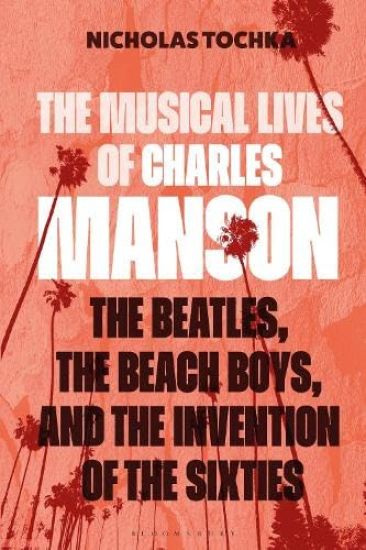
The Musical Lives of Charles Manson

The Musical Lives of Charles Manson

Nicholas Tochka

BLOOMSBURY PUBLISHING PLC
2026
sidottu
Nicholas Tochka analyzes the role of rock music in the life of Charles Manson, the Family, and the August 1969 Tate-LaBianca killings, which also gives larger insight into Sixties counterculture. Failed singer-songwriter. Devious cult leader, a rock Pied Piper. The product of a sick society. Just another dime-a-dozen singing hippy mystic. Did the guitar-playing guru personify the violence that the rock counterculture had inflicted on American society? Or did his music diagnose the dehumanizing effects of that society’s broken institutions?For nearly five years, commentators debated the meaning of Charles Manson and the Tate-LaBianca killings. The key thread linking these narratives was rock music: from the acid-drenched singalongs at Spahn Ranch, to a bizarre theology centered on Beatles songs, to Manson’s own album, LIE: The Love and Terror Cult (1970). “They are afraid of it, because it tells the truth,” Manson told an interviewer about his music. What truths did the Manson Family’s music tell? And how did stories about their music help Americans understand the true meaning of the Sixties?
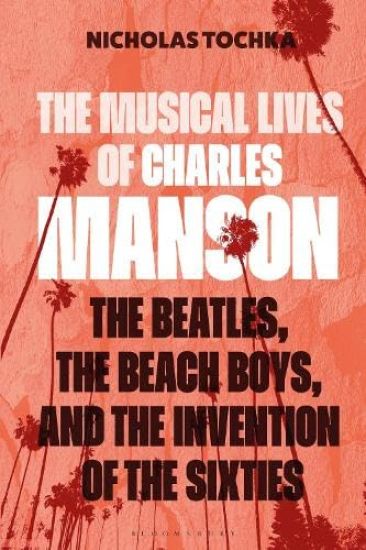
The Musical Lives of Charles Manson

The Musical Lives of Charles Manson

Nicholas Tochka

BLOOMSBURY PUBLISHING PLC
2026
nidottu
Nicholas Tochka analyzes the role of rock music in the life of Charles Manson, the Family, and the August 1969 Tate-LaBianca killings, which also gives larger insight into Sixties counterculture. Failed singer-songwriter. Devious cult leader, a rock Pied Piper. The product of a sick society. Just another dime-a-dozen singing hippy mystic. Did the guitar-playing guru personify the violence that the rock counterculture had inflicted on American society? Or did his music diagnose the dehumanizing effects of that society’s broken institutions?For nearly five years, commentators debated the meaning of Charles Manson and the Tate-LaBianca killings. The key thread linking these narratives was rock music: from the acid-drenched singalongs at Spahn Ranch, to a bizarre theology centered on Beatles songs, to Manson’s own album, LIE: The Love and Terror Cult (1970). “They are afraid of it, because it tells the truth,” Manson told an interviewer about his music. What truths did the Manson Family’s music tell? And how did stories about their music help Americans understand the true meaning of the Sixties?
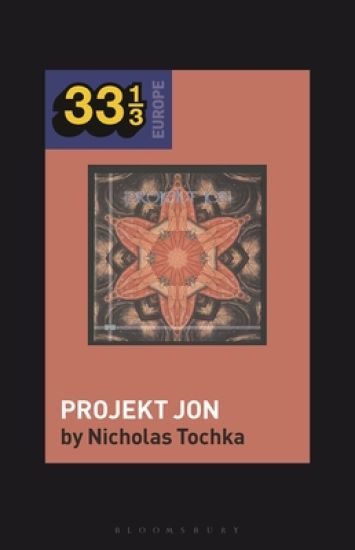
Ardit Gjebrea’s Projekt Jon

Ardit Gjebrea’s Projekt Jon

Nicholas Tochka

BLOOMSBURY PUBLISHING PLC
2024
nidottu
As market reforms and migration transformed Albania in the early 1990s, Ardit Gjebrea began mixing traditional folk music with world music and Italian pop. The resulting album, Projekt Jon (1997), provided a new model for song—Western and cosmopolitan, yet firmly rooted in the fertile soil of the nation—against a backdrop of deepening political uncertainty about the very future of Albania.The Ionian Project announced itself with the frenetic beating of the daullë and the traditional cries of Albania’s highland shepherd. This sprawling collaboration between singer-songwriter Ardit Gjebrea, folk singer Hysni Zela, producer Paul Mazzolini, and a team of crack studio musicians in Italy, had an outsized ambition: to transcend the small postsocialist nation-state’s borders, imaginatively crafting through sound a new home in Europe for its citizens. But as Gjebrea prepared to launch Projekt Jon, violence prompted by the collapse of widespread pyramid schemes threatened to tear Albania apart. And for the intellectuals concerned about growing cracks in the symbolic foundations of the Albanian nation-state, the album came to serve as a referendum on the nature of postsocialist citizenship.
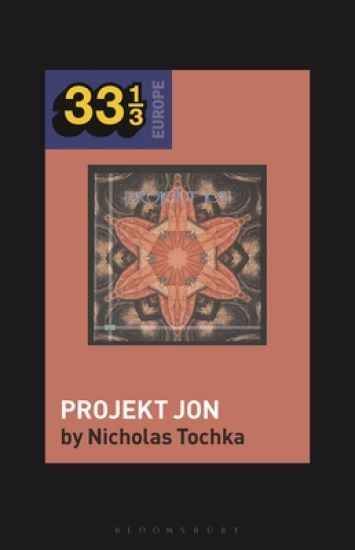
Ardit Gjebrea’s Projekt Jon

Ardit Gjebrea’s Projekt Jon

Nicholas Tochka

BLOOMSBURY PUBLISHING PLC
2024
sidottu
As market reforms and migration transformed Albania in the early 1990s, Ardit Gjebrea began mixing traditional folk music with world music and Italian pop. The resulting album, Projekt Jon (1997), provided a new model for song—Western and cosmopolitan, yet firmly rooted in the fertile soil of the nation—against a backdrop of deepening political uncertainty about the very future of Albania.The Ionian Project announced itself with the frenetic beating of the daullë and the traditional cries of Albania’s highland shepherd. This sprawling collaboration between singer-songwriter Ardit Gjebrea, folk singer Hysni Zela, producer Paul Mazzolini, and a team of crack studio musicians in Italy, had an outsized ambition: to transcend the small postsocialist nation-state’s borders, imaginatively crafting through sound a new home in Europe for its citizens. But as Gjebrea prepared to launch Projekt Jon, violence prompted by the collapse of widespread pyramid schemes threatened to tear Albania apart. And for the intellectuals concerned about growing cracks in the symbolic foundations of the Albanian nation-state, the album came to serve as a referendum on the nature of postsocialist citizenship.
Rocking in the Free World

Rocking in the Free World

Nicholas Tochka

OXFORD UNIVERSITY PRESS INC
2023
sidottu
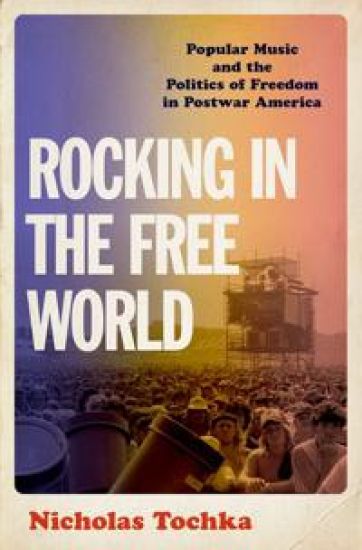
Progressive and libertarian, anti-Communist and revolutionary, Democratic and Republican, quintessentially American but simultaneously universal. By the late 1980s, rock music had acquired a dizzying array of political labels. These claims about its political significance shared one common thread: that the music could set you free. Rocking in the Free World explains how Americans came to believe they had learned the truth about rock 'n' roll, a truth shaped by the Cold War anxieties of the Fifties, the countercultural revolutions (and counter-revolutions) of the Sixties and Seventies, and the end-of-history triumphalism of the Eighties. How did rock 'n' roll become enmeshed with so many different competing ideas about freedom? And what does that story reveal about the promise-and the limits-of rock music as a political force in postwar America?
Audible States

Audible States

Nicholas Tochka

Oxford University Press Inc
2017
nidottu
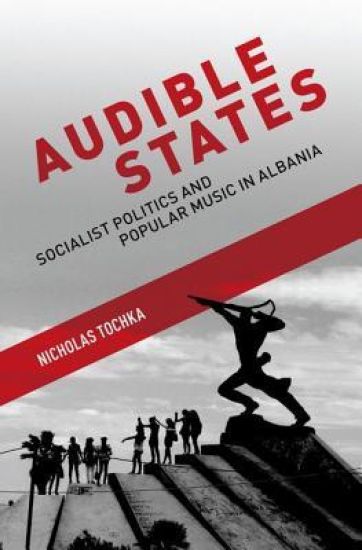
During the heyday of Cold War cultural politics, state-sponsored performances of classical and popular music were central to the diplomatic agendas of the United States and the Soviet Union, while states on the periphery of the conflict often used state-funded performances to articulate their position in the polarized global network. In Albania in particular, the postwar government invested heavily in public performances, effectively creating a new genre of popular music: the wildly popular light music. In Audible States: Socialist Politics and Popular Music in Albania, author Nicholas Tochka traces an aural history of Albania's government through a close examination of the development and reception of light music as it has long been broadcast at an annual song competition, Radio-Television Albania's Festival of Song. Drawing on a wide range of archival resources and over forty interviews with composers, lyricists, singers, and bureaucrats, Tochka describes how popular music became integral to governmental projects to improve society-and a major concern for both state-socialist and post-socialist regimes between 1945 and the present. Tochka's narrative begins in the immediate postwar period, arguing that state officials saw light music as a modernizing agent that would cultivate a cosmopolitan, rational populace. Interweaving archival research with ethnographic interviews, author Nicholas Tochka argues that modern political orders do not simply render social life visible, but also audible. As the Cold War thawed and communist states fell, the post-socialist government turned again to light music, now hoping that these musicians could help shape Albania into a capitalist, "European" state. Incorporating insights from ethnomusicology, governmental studies, and post-socialist studies, Audible States presents an original perspective on music and government that reveals the fluid, pervasive, but ultimately limited nature of state power in the modern world. Tochka's project represents a nascent entry in a growing area of study in music scholarship that focuses on post-soviet Europe and popular musics. A remarkably researched and engagingly written study, Audible States is a foundational text in this area and will be of great interest for music scholars and graduate students interested in popular music, sound studies, and politics of the Cold War.
Audible States

Audible States

Nicholas Tochka

Oxford University Press Inc
2017
sidottu
During the heyday of Cold War cultural politics, state-sponsored performances of classical and popular music were central to the diplomatic agendas of the United States and the Soviet Union, while states on the periphery of the conflict often used state-funded performances to articulate their position in the polarized global network. In Albania in particular, the postwar government invested heavily in public performances, effectively creating a new genre of popular music: the wildly popular light music. In Audible States: Socialist Politics and Popular Music in Albania, author Nicholas Tochka traces an aural history of Albania's government through a close examination of the development and reception of light music as it has long been broadcast at an annual song competition, Radio-Television Albania's Festival of Song. Drawing on a wide range of archival resources and over forty interviews with composers, lyricists, singers, and bureaucrats, Tochka describes how popular music became integral to governmental projects to improve society-and a major concern for both state-socialist and post-socialist regimes between 1945 and the present. Tochka's narrative begins in the immediate postwar period, arguing that state officials saw light music as a modernizing agent that would cultivate a cosmopolitan, rational populace. Interweaving archival research with ethnographic interviews, author Nicholas Tochka argues that modern political orders do not simply render social life visible, but also audible. As the Cold War thawed and communist states fell, the post-socialist government turned again to light music, now hoping that these musicians could help shape Albania into a capitalist, "European" state. Incorporating insights from ethnomusicology, governmental studies, and post-socialist studies, Audible States presents an original perspective on music and government that reveals the fluid, pervasive, but ultimately limited nature of state power in the modern world. Tochka's project represents a nascent entry in a growing area of study in music scholarship that focuses on post-soviet Europe and popular musics. A remarkably researched and engagingly written study, Audible States is a foundational text in this area and will be of great interest for music scholars and graduate students interested in popular music, sound studies, and politics of the Cold War.