Kirjailija
Nicola Palmer
Kirjat ja teokset yhdessä paikassa: 11 kirjaa, julkaisuja vuosilta 2012-2026, suosituimpien joukossa Happy Dog's, Busy Day!. Vertaile teosten hintoja ja tarkista saatavuus suomalaisista kirjakaupoista.
11 kirjaa
Kirjojen julkaisuhaarukka 2012-2026.

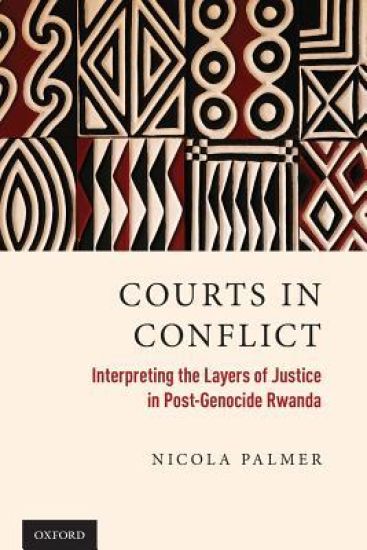
The rise of international criminal trials has been accompanied by a call for domestic responses to extraordinary violence. Yet there is remarkably limited research on the interactions among local, national, and international transitional justice institutions. Rwanda offers an early example of multi-level courts operating in concert, through the concurrent practice of the United Nations International Criminal Tribunal for Rwanda (ICTR), the national Rwandan courts, and the gacaca community courts. Courts in Conflict makes a crucial and timely contribution to the examination of these pluralist responses to atrocity at a juncture when holistic approaches are rapidly becoming the policy norm. Although Rwanda's post-genocide criminal courts are compatible in law, an interpretive cultural analysis shows how and why they have often conflicted in practice. The author's research is derived from 182 interviews with judges, lawyers, and a group of witnesses and suspects within all three of the post-genocide courts. This rich empirical material shows that the judges and lawyers inside each of the courts offer notably different interpretations of Rwanda's transitional justice processes, illuminating divergent legal cultures that help explain the constraints on the courts' effective cooperation and evidence gathering. The potential for similar competition between domestic and international justice processes is apparent in the current practice of the International Criminal Court (ICC). However, this competition can be mitigated through increased communication among the different sites of justice, fostering legal cultures of complementarity that can more effectively respond to the needs of affected populations.

Eleven-year-old Rory is struggling to deal with his mum's departure and the tiresome fame of his celebrity-chef-dad. He always seems to be in trouble at school as well as at home. If he can't bring his temper under control, he could soon be facing his worst nightmare; being sent away to boarding school. One day he makes a shocking discovery. A stranger is living in their shed! A stranger who soon becomes the best friend he's ever had. Rory doesn't like many people. That's probably why he likes Angus - he's different. Angus is intelligent, smelly and often infuriating. He always understands how Rory is feeling and knows what to say. But who is he? What is he? And why does he know so much about Rory? Through adventures and arguments, dreams and dilemmas, Angus helps him more than he realises. By the time Rory discovers his identity, it's no longer important. It doesn't matter who he is. What matters is that Angus is no longer the stranger in the shed.
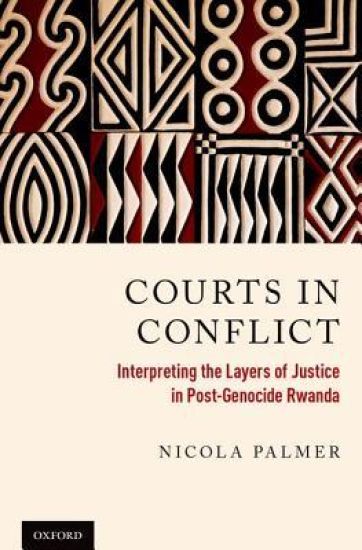
The rise of international criminal trials has been accompanied by a call for domestic responses to extraordinary violence. Yet there is remarkably limited research on the interactions among local, national, and international transitional justice institutions. Rwanda offers an early example of multi-level courts operating in concert, through the concurrent practice of the United Nations International Criminal Tribunal for Rwanda (ICTR), the national Rwandan courts, and the gacaca community courts. Courts in Conflict makes a crucial and timely contribution to the examination of these pluralist responses to atrocity at a juncture when holistic approaches are rapidly becoming the policy norm. Although Rwanda's post-genocide criminal courts are compatible in law, an interpretive cultural analysis shows how and why they have often conflicted in practice. The author's research is derived from 182 interviews with judges, lawyers, and a group of witnesses and suspects within all three of the post-genocide courts. This rich empirical material shows that the judges and lawyers inside each of the courts offer notably different interpretations of Rwanda's transitional justice processes, illuminating divergent legal cultures that help explain the constraints on the courts' effective cooperation and evidence gathering. The potential for similar competition between domestic and international justice processes is apparent in the current practice of the International Criminal Court (ICC). However, this competition can be mitigated through increased communication among the different sites of justice, fostering legal cultures of complementarity that can more effectively respond to the needs of affected populations.

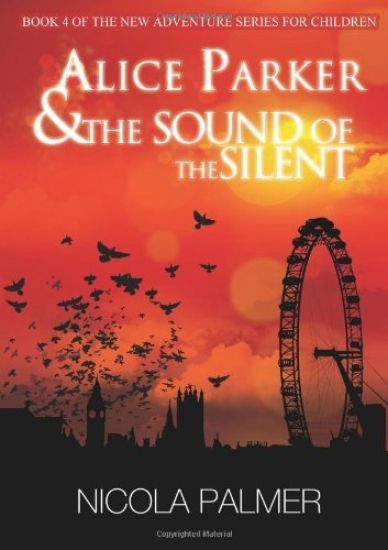
Accidents are happening suspiciously frequently. It is not simply bad luck - someone is trying to kill Alice and Thomas. For their own safety they decide to get away and set off for Berlin. But staying with Aunt Brigitte is not without its dangers. When chaos follows the Parkers to Germany friends, family and even famous landmarks are at risk. Alice begins to think she is cursed - and that's before an alarming discovery about her future. Will a new admirer change her luck or must she learn to accept her fate? For Alice nothing is ever simple.