Kirjojen hintavertailu. Mukana 12 390 323 kirjaa ja 12 kauppaa.

Kirjailija

Nicolas W. Proctor

Kirjat ja teokset yhdessä paikassa: 8 kirjaa, julkaisuja vuosilta 2002-2026, suosituimpien joukossa Radical Reconstruction in New Orleans, 1868–1876. Vertaile teosten hintoja ja tarkista saatavuus suomalaisista kirjakaupoista.

8 kirjaa

Kirjojen julkaisuhaarukka 2002-2026.

Radical Reconstruction in New Orleans, 1868–1876

Radical Reconstruction in New Orleans, 1868–1876

Nicolas W. Proctor

THE UNIVERSITY OF NORTH CAROLINA PRESS
2026
pokkari
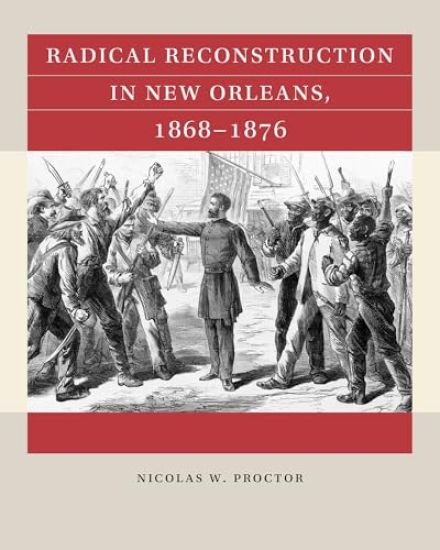
Step into the turbulent aftermath of the Civil War, where the abolition of slavery marked the start of a fierce struggle over property, politics, and personhood. In Louisiana—a wealthy, diverse state shaped by a history of brutal enslavement and devastating war—former Confederates pushed to restore white supremacy through violence and new systems of control. Meanwhile, the US Congress enforced military occupation and passed the Fourteenth Amendment to protect the rights of formerly enslaved people. Set in the vibrant and volatile city of New Orleans, this game puts students in the shoes of Black freedpeople, French-speaking Creoles, white Unionists, German immigrants, and Northern transplants (carpetbaggers), all grappling with the challenges of rebuilding society. Students face tough choices on civil rights, suffrage, education, religion, and political power amid corruption, economic instability, and violent white supremacist resistance. Will you compromise, fight, or build coalitions? As students navigate this complex landscape, they'll discover how democracy can be both rebuilt and broken at the local level—and what it truly takes to advance justice and equality in the face of fierce opposition.
Chicago, 1968

Chicago, 1968

Nicolas W. Proctor

THE UNIVERSITY OF NORTH CAROLINA PRESS
2022
pokkari
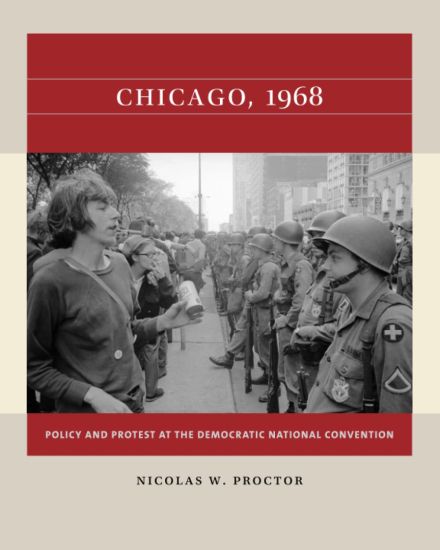
In August 1968, Democrats gather at their National Convention in Chicago to debate a platform for a deeply divided party. Factions are split over issues such as civil rights, infrastructure, and the war on poverty—not to mention the war in Vietnam. Meanwhile, crowds of protesters descend upon the city. Impassioned antiwar demonstrators plan sit-ins and marches, while the absurdist Yippies, determined to make a mockery of the convention, intend to nominate a pig for president. Journalists flood the area to cover the stories of the delegates and protesters. Over the course of this game, players will develop a better understanding of the complexities of the social and cultural tumult that has come to be known as "the Sixties.
Forest Diplomacy

Forest Diplomacy

Nicolas W. Proctor

THE UNIVERSITY OF NORTH CAROLINA PRESS
2022
pokkari
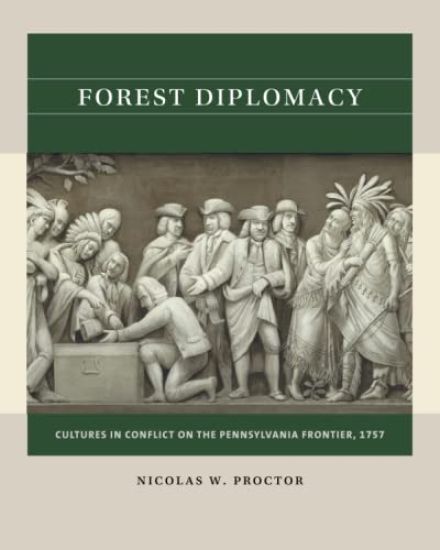
Forest Diplomacy draws students into the colonial frontier, where Pennsylvania settlers and the Delaware Indians, or Lenape, are engaged in a vicious and destructive war. Using sources—including previous treaties, firsthand accounts of the war, Quaker epistles advocating pacifism, and various Iroquois and Lenape cultural texts—students engage in a treaty council to bring peace back to the frontier.
Forest Diplomacy

Forest Diplomacy

Nicolas W. Proctor

WW Norton Co
2018
nidottu
Forest Diplomacy draws students into the colonial frontier, where Pennsylvania settlers and the Delaware Indians (or Lenâpé) are engaged in a vicious and destructive war. Using sources—including previous treaties, firsthand accounts of the war, controversies over Quaker pacifism, and various Iroquois and Lenâpé cultural texts—students engage in a Treaty Council to bring peace back to the frontier.
Kentucky, 1861

Kentucky, 1861

Nicolas W. Proctor; Margaret Storey

THE UNIVERSITY OF NORTH CAROLINA PRESS
2022
pokkari
Kentucky, 1861 pulls students into the secession crisis following Lincoln's 1860 election. During a special session of the Kentucky legislature, set against the looming threat of violence, students grapple with questions about the future of slavery and the constitutionality of secession.
Restoring the World, 1945

Restoring the World, 1945

Nicolas W. Proctor; John E. Moser

The University of North Carolina Press
2020
pokkari
The devastation of the Second World War is coming to an end. As victory for the Grand Alliance draws close, the leaders of Great Britain, the Soviet Union, and the United States gather at Yalta, a resort town on the Black Sea, for the most important summit meeting of the war. Can the great powers finalize their plans for a new world order, or will their often antagonistic ideologies prevent them from forging a lasting peace? Restoring the World immerses students in the Yalta Conference as they take on the roles of Churchill, Roosevelt, Stalin, as well as the members of their military and diplomatic delegations. They all want peace, but what kind of peace will they create?
Bathed in Blood

Bathed in Blood

Nicolas W. Proctor

University of Virginia Press
2002
sidottu
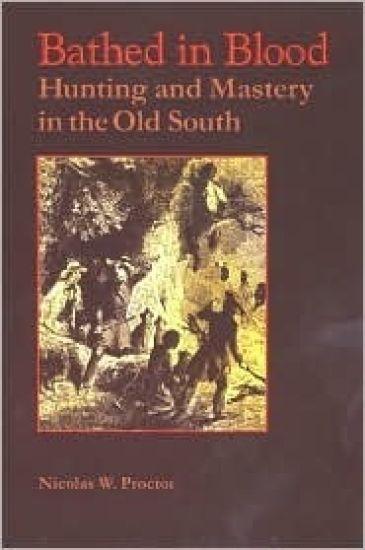
The hunt, like the church, courthouse, and family, played an integral role in southern society and culture during the antebellum era. Regardless of color or class, southern men hunted. Although hunters always recognized the tangible gains of their mission - meat, hides, furs - they also used the hunt to communicate ideas of gender, race, class, masculinity, and community. Hunting was very much a social activity, and for many white hunters it became a drama in which they could display their capacity for mastery over women, blacks, the natural world, and their own passions. Nicolas Proctor argues in Bathed in Blood that because slaves frequently accompanied white hunters into the field, whites often believed that hunting was a particularly effective venue for the demonstration of white supremacy. Slaves interpreted such interactions quite differently: they remained focused on the products of the hunt and considered the labor performed at the behest of their owners as an opportunity to improve their own condition. Whether acquired as a reward from a white hunter or as a result of their own independent - often illicit - efforts, game provided them with an important supplementary food source, an item for trade, and a measure of autonomy. By sharing their valuable resources with other slaves, slave hunters also strengthened the bonds within their own community. In a society predicated upon the constant degradation of African Americans, such simple acts of generosity became symbolic of resistance and had a cohesive effect on slave families. Proctor forges a new understanding of the significance of hunting in the antebellum South through his analyses of a wealth of magazine articles and private papers, diaries, and correspondence.
Bathed in Blood

Bathed in Blood

Nicolas W. Proctor

University of Virginia Press
2002
nidottu
The hunt, like the church, courthouse, and family, played an integral role in southern society and culture during the antebellum era. Regardless of color or class, southern men hunted. Although hunters always recognized the tangible gains of their mission - meat, hides, furs - they also used the hunt to communicate ideas of gender, race, class, masculinity, and community. Hunting was very much a social activity, and for many white hunters it became a drama in which they could display their capacity for mastery over women, blacks, the natural world, and their own passions. Nicolas Proctor argues in Bathed in Blood that because slaves frequently accompanied white hunters into the field, whites often believed that hunting was a particularly effective venue for the demonstration of white supremacy. Slaves interpreted such interactions quite differently: they remained focused on the products of the hunt and considered the labor performed at the behest of their owners as an opportunity to improve their own condition. Whether acquired as a reward from a white hunter or as a result of their own independent - often illicit - efforts, game provided them with an important supplementary food source, an item for trade, and a measure of autonomy. By sharing their valuable resources with other slaves, slave hunters also strengthened the bonds within their own community. In a society predicated upon the constant degradation of African Americans, such simple acts of generosity became symbolic of resistance and had a cohesive effect on slave families. Proctor forges a new understanding of the significance of hunting in the antebellum South through his analyses of a wealth of magazine articles and private papers, diaries, and correspondence.