Kirjojen hintavertailu. Mukana 12 595 353 kirjaa ja 12 kauppaa.

Kirjailija

Nigel Strudwick

Kirjat ja teokset yhdessä paikassa: 6 kirjaa, julkaisuja vuosilta 1999-2012, suosituimpien joukossa The Hieroglyph Detective. Vertaile teosten hintoja ja tarkista saatavuus suomalaisista kirjakaupoista.

6 kirjaa

Kirjojen julkaisuhaarukka 1999-2012.

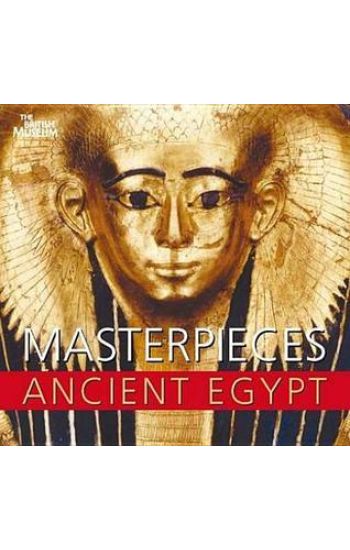
Masterpieces of Ancient Egypt

Masterpieces of Ancient Egypt

Nigel Strudwick

British Museum Press
2012
nidottu
The British Museum has the largest and finest collection of antiquities from Egypt and the Sudan outside of those countries. Packed with information and insights, this classic book, now in paperback, contains over 200 of the most important objects, including the most famous (such as the Rosetta Stone) and also a selection of lesser-known but equally significant or beautiful pieces. An introduction offers a brief history of the vast Egyptian collections of the British Museum and the Egyptian sites and periods from which they come. Each of the 200 objects has a short accompanying text and full page colour illustration. Arranged in chronological order, these intriguing objects range from the earliest predynastic period through the 3,000 year rule of the pharaohs up to Roman Egypt, offering an overview of the art of ancient Egypt in a single volume.
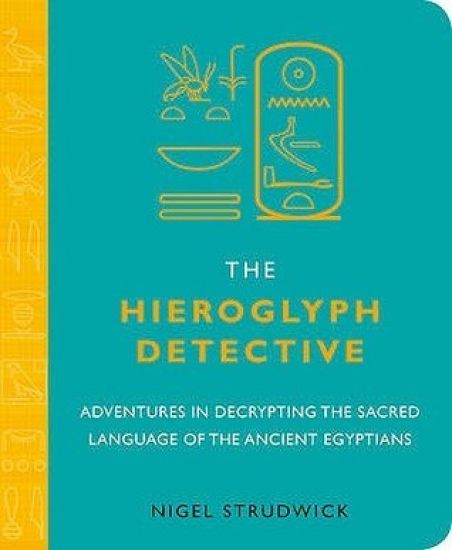
The Hieroglyph Detective

The Hieroglyph Detective

Nigel Strudwick

Duncan Baird Publishers
2010
pokkari
Everyone who is interested in the history and culture of Ancient Egypt will constantly encounter hieroglyphs - countless numbers of them, whether at the ancient temples and tombs along the Nile, in museum collections, or in the many illustrated books devoted to the pharaohs and their world. Now the general public can go equipped with a practical, easy-to-follow, hands-on field guide to hieroglyphs, enabling them to decipher for themselves some of the many inscriptions they will come across while pursuing their interest in Egyptian civilization. "The Hieroglyph Detective" is a complete how-to manual in three parts. Part One provides essential background information, especially grammar, about the 'words of the gods'. Part Two decodes for the reader selected inscriptions from famous sacred sites or museum objects - an easy-to-follow translation process that offers the ultimate lesson in hieroglyphic amateur detective work. Part Three is a thematically organised recognition guide and explanatory glossary for many commonly encountered signs. All three parts are interspersed with fascinating features on the life, art and culture of ancient Egypt. Full of easy-to-understand explanations that will help readers to develop a basic grounding in Egyptology, "The Hieroglyph Detective" reveals a new dimension of the land of the pharaohs.
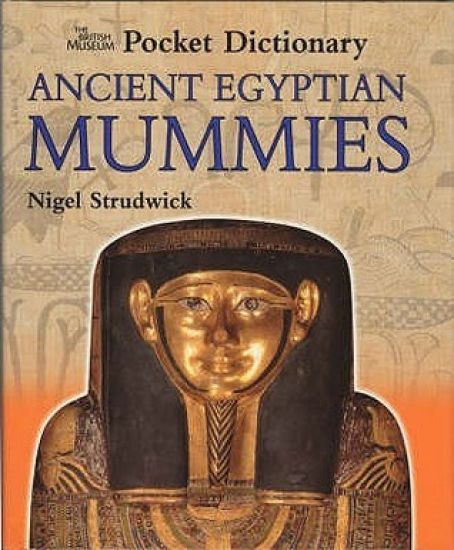
The British Museum Pocket Dictionary Ancient Egyptian Mummies
This attractively designed and colourfully illustrated book offers a brief overview of the history of Egyptian mummification. With clear pictures and short, informative text entries, the book describes a range of Egyptian mummies, from early people whose bodies were accidentally dried out in the desert sand, to the amazing mummies of the New Kingdom, whose every fingernail and hair has been perfectly preserved. Last of all come the mummies of Roman Egypt, with their beautiful and realistically detailed portrait masks. The book also shows the range of coffins, masks and grave goods which were found with these mummies, and builds up a fascinating picture of mummification in ancient Egypt. Published to accompany Mummy: the inside story, a major exhibition at the British Museum which uses the latest electronic scanning techniques to uncover the secrets of a mummy called Nesperennub.
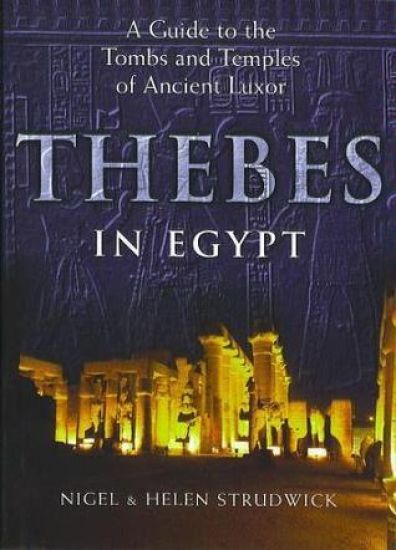
Thebes in Egypt

Thebes in Egypt

Nigel Strudwick; Helen Strudwick

Cornell University Press
1999
sidottu
The remains of ancient Thebes constitute one of the largest and most remarkable archaeological sites in all of Egypt and indeed the world. The discoveries made at this site, now the modern town of Luxor, are responsible for much of our knowledge of ancient Egyptian civilization. After excavating and researching the city of Thebes for many years, Nigel and Helen Strudwick here offer the first comprehensive introduction to it, one that will be welcomed by both armchair travelers and visitors to that popular tourist destination. Handsomely illustrated, the book features eighty photographs—thirty in color—and twenty maps and plans.After reviewing the topography of the site, the Strudwicks recount the history of Thebes from the city's rise in the late Old Kingdom to the peak of its power in the New Kingdom and to its gradual decline in the Greco-Roman period. They discuss the central role played by the gods in the community's religious life, and take us on a tour of the great temples of Karnak and Luxor on the East Bank of the Nile and of the temples and tombs of kings, queens, princes, and ordinary individuals on the West Bank.Drawing on their intimate acquaintance with ancient Egyptian society, the authors re-create the lives of Thebans during the New Kingdom. They conclude by assessing Greek, Roman, Coptic, and Islamic influences on the area as it exists today and by providing an overview of the archaeological research undertaken there.
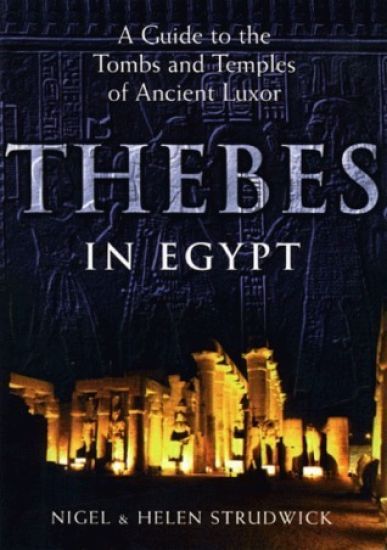
Thebes in Egypt

Thebes in Egypt

Nigel Strudwick; Helen Strudwick

Cornell University Press
1999
pokkari
The remains of ancient Thebes constitute one of the largest and most remarkable archaeological sites in all of Egypt and indeed the world. The discoveries made at this site, now the modern town of Luxor, are responsible for much of our knowledge of ancient Egyptian civilization. After excavating and researching the city of Thebes for many years, Nigel and Helen Strudwick here offer the first comprehensive introduction to it, one that will be welcomed by both armchair travelers and visitors to that popular tourist destination. Handsomely illustrated, the book features eighty photographs—thirty in color—and twenty maps and plans.After reviewing the topography of the site, the Strudwicks recount the history of Thebes from the city's rise in the late Old Kingdom to the peak of its power in the New Kingdom and to its gradual decline in the Greco-Roman period. They discuss the central role played by the gods in the community's religious life, and take us on a tour of the great temples of Karnak and Luxor on the East Bank of the Nile and of the temples and tombs of kings, queens, princes, and ordinary individuals on the West Bank.Drawing on their intimate acquaintance with ancient Egyptian society, the authors re-create the lives of Thebans during the New Kingdom. They conclude by assessing Greek, Roman, Coptic, and Islamic influences on the area as it exists today and by providing an overview of the archaeological research undertaken there.