Kirjailija
Niklas Maak
Kirjat ja teokset yhdessä paikassa: 11 kirjaa, julkaisuja vuosilta 2011-2023, suosituimpien joukossa Tobias Rehberger. Vertaile teosten hintoja ja tarkista saatavuus suomalaisista kirjakaupoista.
11 kirjaa
Kirjojen julkaisuhaarukka 2011-2023.
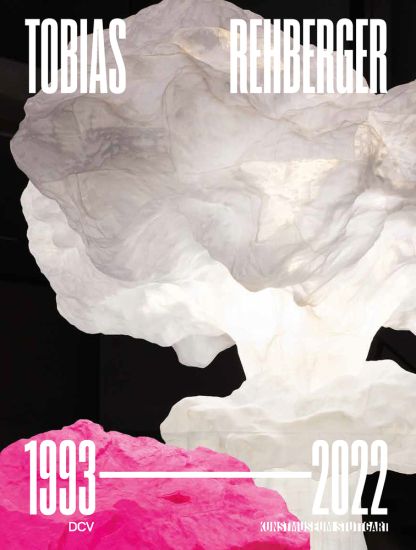
Tobias Rehberger
Tobias Rehberger; Jesi Khadivi; Niklas Maak
Dr. Cantz'sche Verlagsgesellschaft mbH Co. KG
2022
sidottu
If data is the greatest collective treasure of a digital society, basic material for business and politics: Why are the places where it is stored still so invisible? Niklas Maak, architectural critic and Professor for Architecture at Städelschule Frankfurt, explores this question in his new publication and envisions radical solutions for the future.
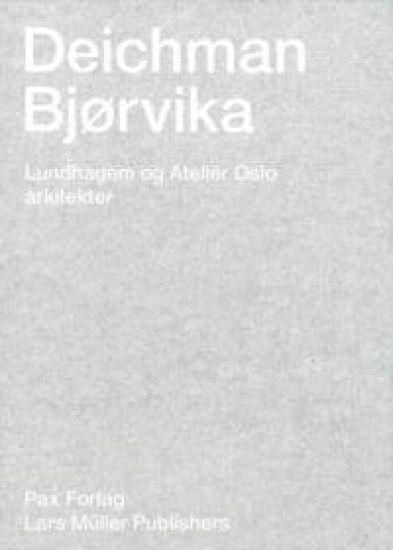
I en verden hvor tilgang på informasjon er ubegrenset, endres bibliotekets rolle. Oslos nye hovedbibliotek, Deichman Bjørvika, representerer en nyskapende tolkning av hva et bibliotek kan romme. I motsetning til den tradisjonelle oppfatningen av biblioteket som et arkiv, er bygningen som de to arkitektkontorene Lundhagem og Atelier Oslo har tegnet, blitt en levende møteplass for alle - en ny type offentlig rom. Med et imponerende og variert innhold har Deichman Bjørvika på kort tid etablert seg som et kulturelt og sosialt knutepunkt. I denne rikt illustrerte boken følger vi design- og byggeprosessen fra arkitektenes første tanker og skisser, til åpningen av det ferdigstilte hovedbiblioteket. Gjennom tekster av forfatteren Elif Shafak og Liv Sæteren, mangeårig biblioteksjef ved Deichmanske bibliotek, tematiseres bibliotekenes betydning som integrerende sosial kraft. Niklas Maak, professor i arkitekturhistorie, diskuterer det nye biblioteket i en arkitekturhistorisk kontekst. Fotoessays av Iwan Baan, Einar Aslaksen og Hélène Binet fanger det nye hovedbibliotekets arkitektur, atmosfære og hvordan publikum har tatt i bruk byens nye felles rom.

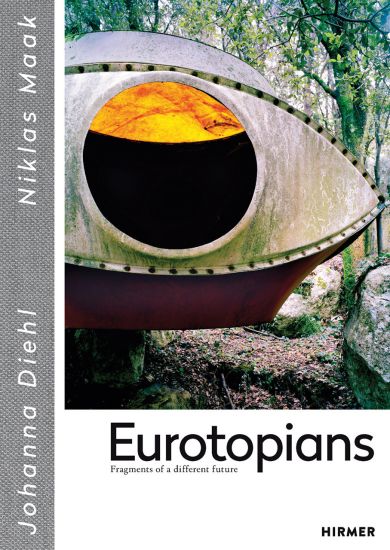
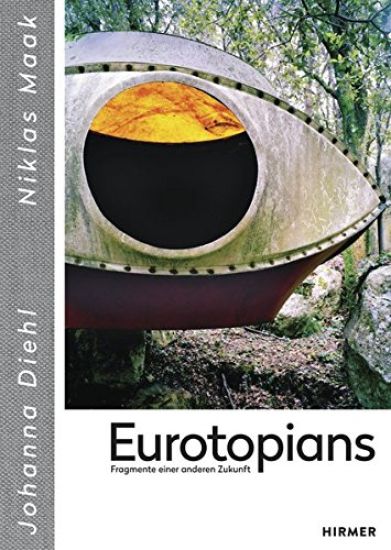
How do we want to live? How shall we build? Where can we find ideas for the houses and cities of the future? Niklas Maak and Johanna Diehl focus their attention on these highly topical questions in their joint project “Eurotopians”. In times of change this volume casts its backward gaze on the work of European utopians in order to find visions for the present. During the 1960s and 1970s visionary architecture was created in Europe which raised fundamental questions about our current ideas of how we should live. Many of these buildings are in ruins and their architects forgotten – although they still live there. Maak visited them and created an “archaeology of the utopian”, which shows that important ideas for the world of tomorrow can be found in the ruins. Johanna Diehl has taken impressive photographs of great intensity. In the ruins of these utopias of the modern age she discovered pictures of revolutionary approaches to life which seem surprisingly topical.