
Kirjailija
Nikolas Rose
Kirjat ja teokset yhdessä paikassa: 16 kirjaa, julkaisuja vuosilta 1996-2024, suosituimpien joukossa Sundhed og magt. Vertaile teosten hintoja ja tarkista saatavuus suomalaisista kirjakaupoista.
16 kirjaa
Kirjojen julkaisuhaarukka 1996-2024.
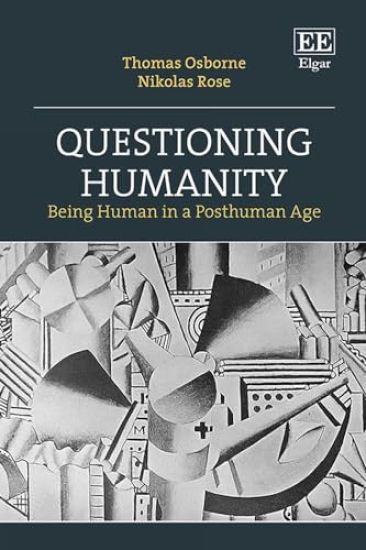
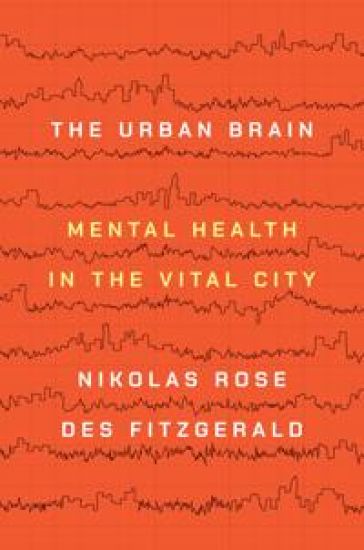
Bridging the social and life sciences to unlock the mystery of how cities shape mental health and illnessMost of the world’s people now live in cities and millions have moved from the countryside to the rapidly growing megacities of the global south. How does the urban experience shape the mental lives of those living in and moving to cities today? Sociologists study cities as centers of personal progress and social innovation, but also exclusion, racism, and inequality. Psychiatrists try to explain the high rates of mental disorders among urban dwellers, especially migrants. But the split between the social and life sciences has hindered understanding of how urban experience is written into the bodies and brains of urbanites. In The Urban Brain, Nikolas Rose and Des Fitzgerald seek to revive the collaboration between sociology and psychiatry about these critical questions. Reexamining the relationship between the city and the brain, Rose and Fitzgerald explore the ways cities shape the mental health and illness of those who inhabit them.Drawing on the social and life sciences, The Urban Brain takes an ecosocial approach to the vital city, in which humans live and thrive but too often get sick and suffer. The result demonstrates what we can gain by a vitalist approach to the mental lives of those migrating to and living in cities, focusing on the ways that humans make, remake, and inhabit their urban lifeworlds.
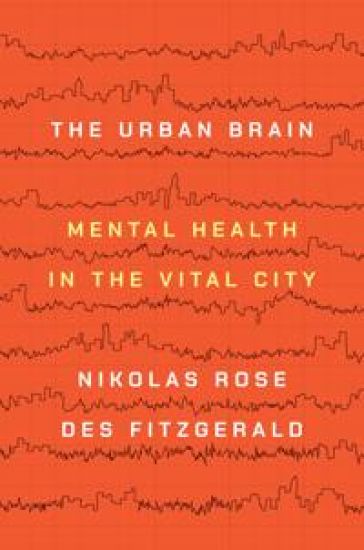
Bridging the social and life sciences to unlock the mystery of how cities shape mental health and illnessMost of the world’s people now live in cities and millions have moved from the countryside to the rapidly growing megacities of the global south. How does the urban experience shape the mental lives of those living in and moving to cities today? Sociologists study cities as centers of personal progress and social innovation, but also exclusion, racism, and inequality. Psychiatrists try to explain the high rates of mental disorders among urban dwellers, especially migrants. But the split between the social and life sciences has hindered understanding of how urban experience is written into the bodies and brains of urbanites. In The Urban Brain, Nikolas Rose and Des Fitzgerald seek to revive the collaboration between sociology and psychiatry about these critical questions. Reexamining the relationship between the city and the brain, Rose and Fitzgerald explore the ways cities shape the mental health and illness of those who inhabit them.Drawing on the social and life sciences, The Urban Brain takes an ecosocial approach to the vital city, in which humans live and thrive but too often get sick and suffer. The result demonstrates what we can gain by a vitalist approach to the mental lives of those migrating to and living in cities, focusing on the ways that humans make, remake, and inhabit their urban lifeworlds.
Our everyday lives are increasingly intertwined with psychiatry and discussions of mental health. Yet the dominant medical discipline of psychiatry remains surrounded by controversy. Is mental distress really an illness like any other, treatable by drugs? Can psychiatrists differentiate between mental disorders normal eccentricities, anxieties or even sadness? Should the power of psychiatrists be challenged by the knowledge of those with lived experience of mental ill health? In this penetrating analysis, Nikolas Rose critiques the powerful part that psychiatry has come to play in the lives of so many across the world. A series of chapters, each tackling an area of dispute head on, opens wide the terrain of debate addressing issues such as advances in brain science, the politics of Western psychiatry's spread across the globe, and recent evidence of social adversity's role in producing mental ill health. The answers we find to these pressing questions will shape the psychiatric futures that are being brought into existence. Ultimately, this book proposes a radically different future, no less evidence-based or rigorous, and indeed far more attuned to the realities of mental health, and argues that, as a branch of social medicine, another psychiatry is possible.
Our everyday lives are increasingly intertwined with psychiatry and discussions of mental health. Yet the dominant medical discipline of psychiatry remains surrounded by controversy. Is mental distress really an illness like any other, treatable by drugs? Can psychiatrists differentiate between mental disorders normal eccentricities, anxieties or even sadness? Should the power of psychiatrists be challenged by the knowledge of those with lived experience of mental ill health? In this penetrating analysis, Nikolas Rose critiques the powerful part that psychiatry has come to play in the lives of so many across the world. A series of chapters, each tackling an area of dispute head on, opens wide the terrain of debate addressing issues such as advances in brain science, the politics of Western psychiatry's spread across the globe, and recent evidence of social adversity's role in producing mental ill health. The answers we find to these pressing questions will shape the psychiatric futures that are being brought into existence. Ultimately, this book proposes a radically different future, no less evidence-based or rigorous, and indeed far more attuned to the realities of mental health, and argues that, as a branch of social medicine, another psychiatry is possible.
Sundhed og magt
Holger Højlund; Kaspar Villadsen; Lars Thorup Larsen; Mitchell Dean; Nikolas Rose; Niels Åkerstrøm Andersen; Ole Bjerg; Thomas Lemke; Mads Peter Karlsen; Kathrine Hoffmann Pii; Ayo Wahlberg; Justine Grønbæk Pors; Anders la Cour
Gyldendal
2017
nidottu
I de senere år er forståelsen af sundhed undergået en række forandringer. Fokus er blevet udvidet fra patienten som biomedicinsk krop til et subjekt, der oplever sundhedsproblemer og lever med dem i interaktion med det omgivende miljø. Sundhed er blevet et langt mere omfattende anliggende, der potentielt vedrører alle aspekter af vores tilværelse. Det betyder samtidig, at ideer om sundhed ikke kan dikteres af sundhedsmyndigheder og eksperter. Sundhedsfremmende tiltag må i dag tage målgruppens værdier og rationaler i betragtning, bl.a. i form af kampagner, der ikke kræver absolut overholdelse af sundhedsdoktriner, men forsøger at få folk til at afveje deres usunde vaner i forhold til sundhedsværdier. Sundhed og magt tager bestik af denne udvikling. I bogen står Michel Foucaults begreb om biopolitik centralt – et begreb, som netop sætter fokus på, at reguleringen af det biologiske liv sammenvæves med en mere omfattende ledelse af sociale og kulturelle forhold. Bogen rummer bidrag fra førende danske og internationale forskere, som anlægger perspektiver, der udfordrer traditionel sundhedsforskning, herunder genealogi, systemteori, psykoanalyse og aktør-netværk-teori. Den henvender sig til studerende og fagfolk på sundheds- og samfundsvidenskabelige uddannelser. Redigeret af Mads Peter Karlsen og Kaspar Villadsen, hhv. adjunkt og professor mso ved Copenhagen Business School.
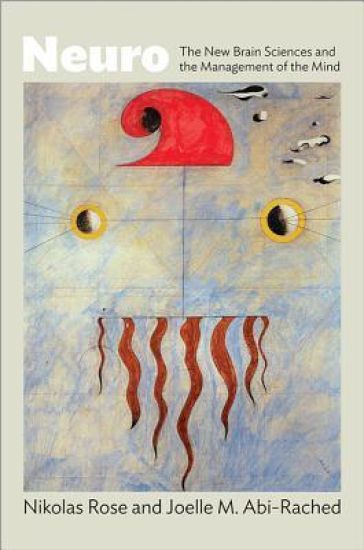
The brain sciences are influencing our understanding of human behavior as never before, from neuropsychiatry and neuroeconomics to neurotheology and neuroaesthetics. Many now believe that the brain is what makes us human, and it seems that neuroscientists are poised to become the new experts in the management of human conduct. Neuro describes the key developments--theoretical, technological, economic, and biopolitical--that have enabled the neurosciences to gain such traction outside the laboratory. It explores the ways neurobiological conceptions of personhood are influencing everything from child rearing to criminal justice, and are transforming the ways we "know ourselves" as human beings. In this emerging neuro-ontology, we are not "determined" by our neurobiology: on the contrary, it appears that we can and should seek to improve ourselves by understanding and acting on our brains. Neuro examines the implications of this emerging trend, weighing the promises against the perils, and evaluating some widely held concerns about a neurobiological "colonization" of the social and human sciences. Despite identifying many exaggerated claims and premature promises, Neuro argues that the openness provided by the new styles of thought taking shape in neuroscience, with its contemporary conceptions of the neuromolecular, plastic, and social brain, could make possible a new and productive engagement between the social and brain sciences. Copyright note: Reproduction, including downloading of Joan Miro works is prohibited by copyright laws and international conventions without the express written permission of Artists Rights Society (ARS), New York.

Livspolitikken i vores århundrede bestemmes hverken af sygdommes eller dødens poler og er heller ikke fokuseret på at eliminere patologiske tilstande for at beskytte nationens skæbne, som det 18. og 19. århundredes sundhedspolitik var det. I stedet er den optaget af vores voksende evner til at kontrollere, administrere, forme og modulere menneskets livsevner som levende væsener. Det er, ifølge forfatteren, en politik om »livet selv«.Nikolas Rose er professor i sociologi ved London School of Economics and Political Science.
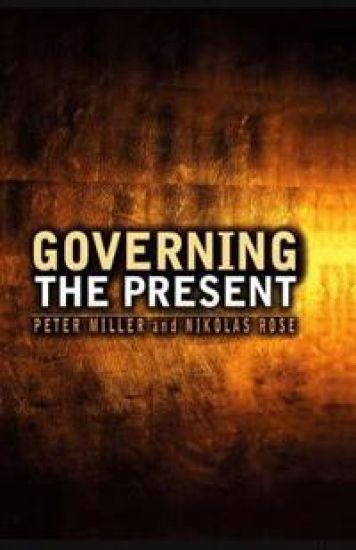
The literature on governmentality has had a major impact across the social sciences over the past decade, and much of this has drawn upon the pioneering work by Peter Miller and Nikolas Rose. This volume will bring together key papers from their work for the first time, including those that set out the basic frameworks, concepts and ethos of this approach to the analysis of political power and the state, and others that analyse specific domains of the conduct of conduct, from marketing to accountancy, and from the psychological management of organizations to the government of economic life. Bringing together empirical papers on the government of economic, social and personal life, the volume demonstrates clearly the importance of analysing these as conjoint phenomena rather than separate domains, and questions some cherished boundaries between disciplines and topic areas. Linking programmes and strategies for the administration of these different domains with the formation of subjectivities and the transformation of ethics, the papers cast a new light on some of the leading issues in contemporary social science modernity, democracy, reflexivity and individualisation. This volume will be indispensable for all those, from whatever discipline in the social sciences, who have an interest in the concepts and methods necessary for critical empirical analysis of power relations in our present.
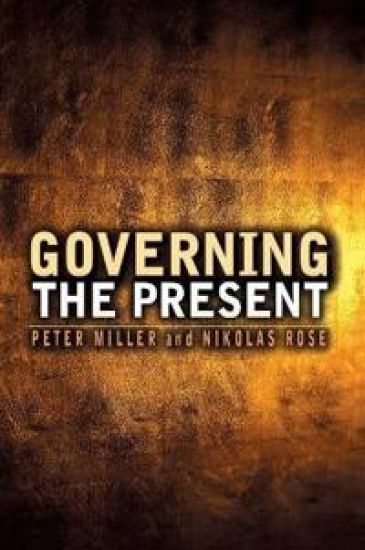
The literature on governmentality has had a major impact across the social sciences over the past decade, and much of this has drawn upon the pioneering work by Peter Miller and Nikolas Rose. This volume will bring together key papers from their work for the first time, including those that set out the basic frameworks, concepts and ethos of this approach to the analysis of political power and the state, and others that analyse specific domains of the conduct of conduct, from marketing to accountancy, and from the psychological management of organizations to the government of economic life. Bringing together empirical papers on the government of economic, social and personal life, the volume demonstrates clearly the importance of analysing these as conjoint phenomena rather than separate domains, and questions some cherished boundaries between disciplines and topic areas. Linking programmes and strategies for the administration of these different domains with the formation of subjectivities and the transformation of ethics, the papers cast a new light on some of the leading issues in contemporary social science modernity, democracy, reflexivity and individualisation. This volume will be indispensable for all those, from whatever discipline in the social sciences, who have an interest in the concepts and methods necessary for critical empirical analysis of power relations in our present.

For centuries, medicine aimed to treat abnormalities. But today normality itself is open to medical modification. Equipped with a new molecular understanding of bodies and minds, and new techniques for manipulating basic life processes at the level of molecules, cells, and genes, medicine now seeks to manage human vital processes. The Politics of Life Itself offers a much-needed examination of recent developments in the life sciences and biomedicine that have led to the widespread politicization of medicine, human life, and biotechnology. Avoiding the hype of popular science and the pessimism of most social science, Nikolas Rose analyzes contemporary molecular biopolitics, examining developments in genomics, neuroscience, pharmacology, and psychopharmacology and the ways they have affected racial politics, crime control, and psychiatry. Rose analyzes the transformation of biomedicine from the practice of healing to the government of life; the new emphasis on treating disease susceptibilities rather than disease; the shift in our understanding of the patient; the emergence of new forms of medical activism; the rise of biocapital; and the mutations in biopower. He concludes that these developments have profound consequences for who we think we are, and who we want to be.
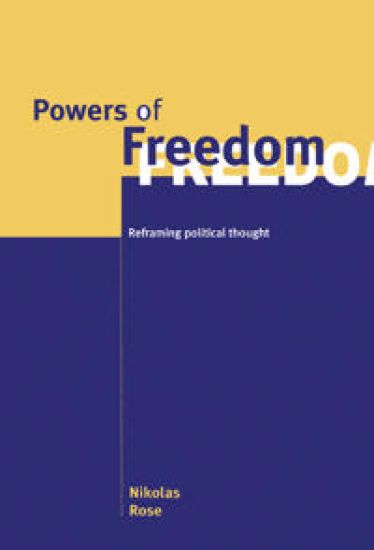
Powers of Freedom offers a compelling new approach to the analysis of political power which extends Foucault’s hypotheses on governmentality in new and challenging ways. Nikolas Rose sets out the key characteristics of this approach to political power and analyses the government of conduct in new fields and in new ways. He analyses the role of expertise, the politics of numbers, technologies of economic management and the political uses of space. He illuminates the relation of this approach to contemporary theories of ‘risk society’ and ‘the sociology of governance’. Uniquely, he argues that freedom is not the opposite of government but one of its key inventions and most significant resources. He also seeks some rapprochement between analyses of government and the concerns of critical sociology, cultural studies and Marxism, to establish a basis for the critique of power and its exercise. The book will be of interest to students and scholars in political theory, sociology, social policy and cultural studies.

Powers of Freedom offers a compelling new approach to the analysis of political power which extends Foucault’s hypotheses on governmentality in new and challenging ways. Nikolas Rose sets out the key characteristics of this approach to political power and analyses the government of conduct in new fields and in new ways. He analyses the role of expertise, the politics of numbers, technologies of economic management and the political uses of space. He illuminates the relation of this approach to contemporary theories of ‘risk society’ and ‘the sociology of governance’. Uniquely, he argues that freedom is not the opposite of government but one of its key inventions and most significant resources. He also seeks some rapprochement between analyses of government and the concerns of critical sociology, cultural studies and Marxism, to establish a basis for the critique of power and its exercise. The book will be of interest to students and scholars in political theory, sociology, social policy and cultural studies.

This work is now widely recognised as one of the founding texts in a new approach to analyzing the links between political power, expertise and the self. This "governmentality" perspective has had important implications for a range of academic disciplines including criminology, political theory, sociology and psychology and has generated much theoretical innovation and empirical investigation. This second edition adds a new introduction setting out the methodological and conceptual bases of this approach and a new final chapter that considers some of the implications of recent developments in the government of subjectivity.
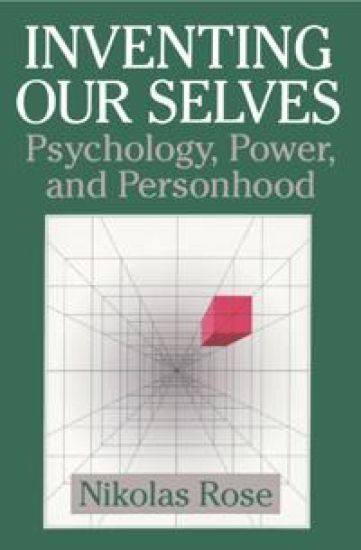
Inventing Our Selves proposes a radical new approach to the analysis of our current regime of the self, and the values of autonomy, identity, individuality, liberty, and choice that animate it. It argues that psychology, psychiatry, psychotherapy and other 'psy' disciplines have played a key role in 'inventing our selves', changing the ways in which human beings understand and act upon themselves, and how they are acted upon by politicians, managers, doctors, therapists, and a multitude of other authorities. These mutations are intrinsically linked to recent changes in ways of understanding and exercising political power, which have stressed the values of autonomy, personal responsibility, and choice. This critical history diagnoses and destabilises our contemporary 'condition' of the self, to help us think differently about the kind of persons we are, or might become.