Kirjojen hintavertailu. Mukana 12 595 353 kirjaa ja 12 kauppaa.

Kirjailija

Nina Auerbach

Kirjat ja teokset yhdessä paikassa: 7 kirjaa, julkaisuja vuosilta 1978-2026, suosituimpien joukossa Daphne Du Maurier, Haunted Heiress. Vertaile teosten hintoja ja tarkista saatavuus suomalaisista kirjakaupoista.

7 kirjaa

Kirjojen julkaisuhaarukka 1978-2026.

Daphne Du Maurier, Haunted Heiress

Daphne Du Maurier, Haunted Heiress

Nina Auerbach

University of Pennsylvania Press
2002
pokkari
Auerbach examines the writer of depth and recklessness now largely known only as the author of Rebecca, looking at the way her sharp-edged fiction, with its brutal and often perverse family relationships, has been softened in film adaptations of her work. She reads both du Maurier's life in her writings, and the sensibility of a vanished class and time that haunts the fringes of our own age.
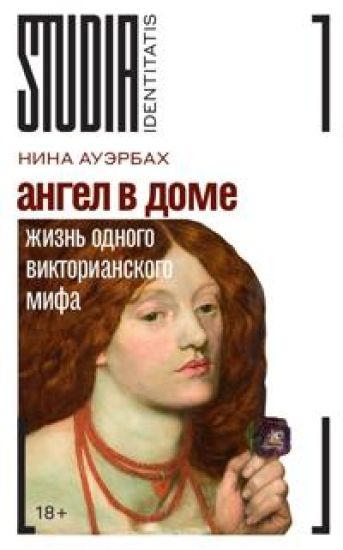
Angel v dome. Zhizn odnogo viktorianskogo mifa

Angel v dome. Zhizn odnogo viktorianskogo mifa

Nina Auerbach

Novoe literaturnoe obozrenie
2026
sidottu
Ustojavshijsja vzgljad na viktorianskuju epokhu pozitsioniruet zhenschinu etogo perioda kak bessilnuju zalozhnitsu obschestvennoj morali. Nina Auerbakh predlagaet peresmotret dannyj stereotip i uvidet, kak zhenschina, otvergnutaja isteblishmentom, okazyvaetsja v tsentre viktorianskogo kulturnogo mifa. Kniga fokusiruetsja na trekh kljuchevykh obrazakh viktorianskogo perioda: zhenschiny-vamp, staroj devy i padshej zhenschiny. Ot Dzhona Stjuarta Millja, Tomasa Karlejlja i Dzhona Reskina do kartin prerafaelitov i karikatur - viktorianskoe kulturnoe voobrazhenie, vopreki tjage k nauke i ratsionalizmu, svjazyvalo zhenskie obrazy so sverkhestestvennoj energiej i novymi formami subektnosti. Avtor stavit pered soboj zadachu issledovat mif, s pomoschju kotorogo ljudi viktorianskoj epokhi spravljalis s krizisom very, - mif, sposobnyj vernut sovremennoj zhenschine proshloe, nadeljajuschee ee neozhidannoj siloj. Nina Auerbakh (1943-2017) - issledovatelnitsa kultury viktorianskoj Anglii, pochetnyj professor Pensilvanskogo universiteta. Perevod s anglijskogo Kushnareva Inna
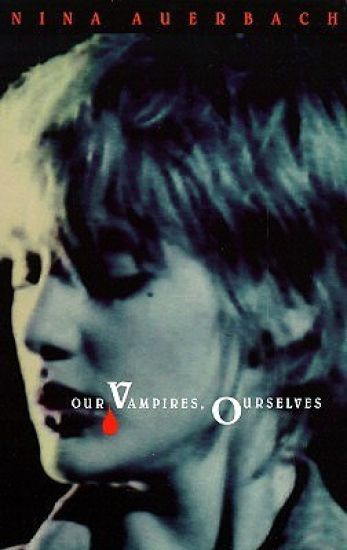
Our Vampires, Ourselves

Our Vampires, Ourselves

Nina Auerbach

University of Chicago Press
1997
nidottu
Nina Auerbach shows how every age embraces the vampire it needs, and gets the vampire it deserves. Working with a wide range of texts, as well as movies and television, Auerbach locates vampires at the heart of our national experience and uses them as a lens for viewing the last two hundred years of Anglo-American cultural history. "[Auerbach] has seen more Hammer movies than I (or the monsters) have had steaming hot diners, encountered more bloodsuckers than you could shake a stick at, even a pair of crossed sticks, such as might deter a very sophisticated ogre, a hick from the Moldavian boonies....Auerbach has dissected and deconstructed them with the tender ruthlessness of a hungry chef, with cogency and wit."—Eric Korn, Times Literary Supplement"This seductive work offers profound insights into many of the urgent concerns of our time and forces us to confront the serious meanings that we invest, and seek, in even the shadiest manifestations of the eroticism of death."—Wendy Doniger, The Nation"A vigorous, witty look at the undead as cultural icons."—Kirkus Review"In case anyone should think this book is merely a boring lit-crit exposition...Auerbach sets matters straight in her very first paragraph. 'What vampires are in any given generation,' she writes, 'is a part of what I am and what my times have become. This book is a history of Anglo-American culture through its mutating vampires.'...Her book really takes off."—Maureen Duffy, New York Times Book Review
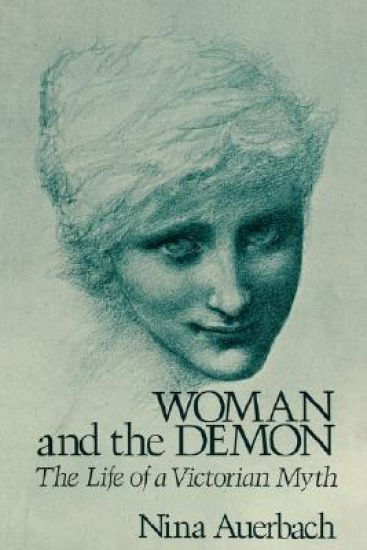
Woman and the Demon

Woman and the Demon

Nina Auerbach

Harvard University Press
1984
nidottu
Here is a bold new vision of Victorian culture: a study of myths of womanhood that shatters the usual generalizations about the squeezed, crushed, and ego-less Victorian woman.Through copious examples drawn from literature, art, and biography, Nina Auerbach reconstructs three central paradigms: the angel/demon, the old maid, and the fallen woman. She shows how these animate a pervasive Victorian vision of a mobile female outcast with divine and demonic powers. Fear of such disruptive, self-creating figures, Auerbach argues, produces the approved ideal of the dutiful, family-bound woman. The awe they inspire associates them with characters in literature, the only vehicles of immortality in whom most Victorians could unreservedly believe.Auerbach looks at a wonderful variety of sources: Svengali, Dracula, and Freud; poets and major and minor novelists Carlyle, John Stuart Mill, and Ruskin; lives of women, great and unknown; Anglican sisterhoods and Magdalen homes; bardolatry and the theater; Pre-Raphaelite paintings and contemporary cartoons and book illustrations. Reinterpreting a medley of fantasies, she demonstrates that female powers inspired a vivid myth central to the spirit of the age.