
Kirjojen hintavertailu. Mukana 12 657 676 kirjaa ja 12 kauppaa.

Kirjailija

Nina Kolesnikoff

Kirjat ja teokset yhdessä paikassa: 2 kirjaa, julkaisuja vuosilta 1983-2011, suosituimpien joukossa Bruno Jasienski. Vertaile teosten hintoja ja tarkista saatavuus suomalaisista kirjakaupoista.

2 kirjaa

Kirjojen julkaisuhaarukka 1983-2011.

Russian Postmodernist Metafiction

Russian Postmodernist Metafiction

Nina Kolesnikoff

Peter Lang AG, Internationaler Verlag der Wissenschaften
2011
sidottu
One of the most outstanding properties of Russian postmodernist fiction is its reliance on metafictional devices which foreground aspects of the writing, reading or structure, and draw attention to the constructed nature of fiction writing. Some common metafictional strategies include overt commentary on the process of writing, the presence of an obtrusive narrator, dehumanization of character, total breakdown of temporal and spatial organization and the undermining of specific literary conventions. This book examines the most representative postmodernist texts and addresses the following questions: How widespread is the use of metafiction in contemporary Russian literature? What are its most pronounced forms? What is the function of metafictional devices? How innovative are Russian postmodernist writers in their use of metafictional techniques? This study reveals the unique contribution of postmodernist writers to the development of Russian literature through their systematic use of metafiction and their bold experimentation with new metafictional devices on all the principal levels of the text, including narration, plot, characterization, setting and language.
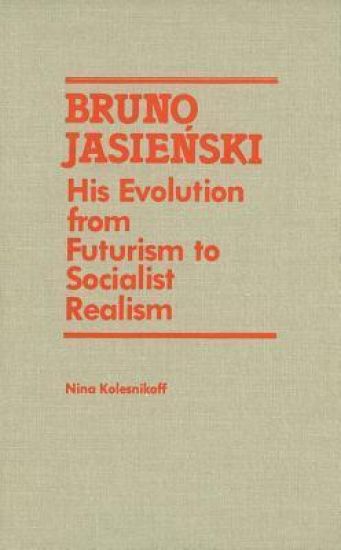
Bruno Jasienski

Bruno Jasienski

Nina Kolesnikoff

Wilfrid Laurier University Press
1983
nidottu
Bruno Jasienski was a bilingual Polish-Russian writer who died in exile in Siberia in 1939. This volume traces his literary evolution. The introductory biographical sketch is followed by a discussion of Jasienski's contribution to Polish poetry, specifically the Futurist movement which, like its parallels in Russia and Italy, revolutionized poetic language. An analysis and evaluation of Jasienski's prose work sheds light on the relationship between politics and literature in early twentieth-century Poland and Russia. Most of Jasienski's novels and short stories were written in the approved Soviet tradition of Socialist Realism. His Man Changes His Skin is considered one of the best Soviet industrial novels of the 1930s.The author's comprehensive and skillful treatment of Jasienski's literary production, the first to appear in English, also makes a valuable contribution to the knowledge of Futurism in Eastern Europe and Socialist Realism in the Soviet Union. The volume contains numerous quotations from Polish and Russian literature, both in English translation (prepared by the author) and in the original. It will be of interest to students of Slavic literature, comparative literature, and the literature of ideology.