Kirjojen hintavertailu. Mukana 12 290 406 kirjaa ja 12 kauppaa.
Kirjailija
Nisha Dogra
Kirjat ja teokset yhdessä paikassa: 11 kirjaa, julkaisuja vuosilta 2009-2021, suosituimpien joukossa A Multidisciplinary Handbook of Child and Adolescent Mental Health for Front-line Professionals, Third Edition. Vertaile teosten hintoja ja tarkista saatavuus suomalaisista kirjakaupoista.
This handbook provides a succinct introduction to child mental health, covering the nature, prevalence, treatment and management of mental health problems in children and young people.The authors explore a range of issues surrounding the emotional needs of young people, showing how specific problems such as ADHD and learning difficulties can be targeted, while also recognising diversity issues and paying particular attention to at-risk groups. This edition is updated to reflect current direction in services, cutting edge approaches to interventions in primary health care, teaching and social service settings, as well as incorporating children's views on what mental health means to them and the impact of social media.Setting out ways in which young people can be supported by all practitioners in primary care, and covering early years through to late adolescence, the authors have created an invaluable resource for any front-line practitioner working in this area.
Thought-provoking, pertinent and engaging, this book provides an overview of every aspect of carrying out research with children. It is unique in its particular focus on vulnerable groups of children such as those with mental-health problems, physical health problems and learning disabilities, along with young offenders and looked after children. The book helpfully addresses each stage of the research process: -Part I introduces the main elements of doing research with children, including seeking ethical approval for sensitive research topics. -Part II guides the reader through the initial stages of the research project including recruitment issues and communicating with gatekeepers. -Part III outlines the data collection, data analysis, writing up and dissemination stages of research and covers both quantitative and qualitative methods. Filled with practical advice and useful activities for each chapter, this book is an essential resource for any student, academic or professional working with, or doing research with, children.
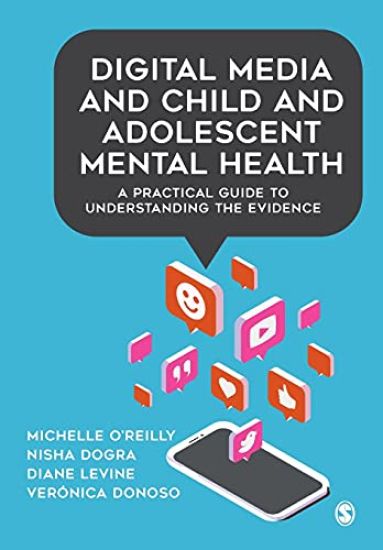
Can moderated screen time actually have a positive impact on young people’s mental health? With over 30 expert contributors spanning a range of disciplines including psychology, education and communications, as well as young people's own perspectives, this book dispels some of the myths that surround young people’s use of digital media and covers important topics ranging from safeguarding, to digital citizenship and the fear of missing out. Using reflective activities, practical tips and evidence-based research, this book will help you find out informed ways social and digital media can be used beneficially, providing vital understanding to anyone studying child and adolescent mental health.
The new edition of this best-selling title from the popular 100 cases series explores common psychiatric and mental health scenarios that will be encountered by the medical student and junior doctor during practical training on the ward, in the emergency department, in outpatient clinics and in the community, and which are likely to feature in qualifying examinations. The book covers a comprehensive range of presentations from hallucinations to self-harm, organized by sub-specialty area for ease of reference. Comprehensive answers highlight key take home points from each case and provide practical advice on how to deal with the challenges that occur when practising psychiatry at all levels.
This book provides a practical, pedagogical perspective on conducting qualitative interviews with children and young people. From designing and choosing the type of interview through to planning, structuring, conducting, and analysing them this book is a complete toolkit. Drawing upon real-world examples and researchers' anecdotes, the authors combine both theoretical background and practical advice to introduce common issues and procedures and to help you undertake your own interviews in the field. Key topics include how to: Choose which interview style meets your and your participants’ needsMaintain a safe and ethically sound research environmentIncorporate participatory methods into formal interview settingsEncourage participation and capture the voice of intervieweesUtilise digital tools, software and methods to collect and analyse data This clear, articulate book is an essential companion for anyone interviewing children and young people.
Thought-provoking, pertinent and engaging, this book provides an overview of every aspect of carrying out research with children. It is unique in its particular focus on vulnerable groups of children such as those with mental-health problems, physical health problems and learning disabilities, along with young offenders and looked after children. The book helpfully addresses each stage of the research process: -Part I introduces the main elements of doing research with children, including seeking ethical approval for sensitive research topics. -Part II guides the reader through the initial stages of the research project including recruitment issues and communicating with gatekeepers. -Part III outlines the data collection, data analysis, writing up and dissemination stages of research and covers both quantitative and qualitative methods. Filled with practical advice and useful activities for each chapter, this book is an essential resource for any student, academic or professional working with, or doing research with, children.
"This book considers the range of skills and roles that nurse's now undertake within specialist CAMHS, it provides a good basic introduction for nurses and clinicians from other disciplines. Discussion around medication management as part of a nurse's extended role is timely and will be of particular use to those considering this option within their practice. The text is easily accessible, utilising case studies to enhance learning. The inclusion of research and audit helps raise the need not only for nurses to be more involved in research but also the need for clinicians to evaluate their practice. I would recommend this text to clinicians new to CAMHS."Sharon Pagett, Senior Lecturer, Mental Health (CAMHS), Department of Nursing, University of Central Lancashire, UK"Nurses have a key role to play within the Child and Adolescent Mental Health Team. Yet there are few textbooks devoted to the specialist and advanced roles which many undertake within this field of practice. This text will fill the void addressing legal and ethical issues while focusing upon clinical practice and the application of theoretical concepts."Fiona Smith, Adviser in Children's and Young People's Nursing, Royal College of Nursing, UKThis book focuses on child and adolescent mental health (CAMH) for nurses training and working in this field. The authors explore the various roles CAMH nurses fulfil and consider how these roles might be undertaken with confidence. Drawing upon both the academic evidence available, and grounded in the reality of clinical practice, the book looks at how to assess the different issues and the various interventions used in practice. The authors consider the effect of child and family development on mental health, as well as broader factors influencing mental health and well-being. Among the core issues considered are: Definitions and consequences of mental health, illness and stigma Child development Legislative frameworks Assessment skills Therapeutic work: individual counselling, cognitive behavioural therapy, family work and medication Clinical governance and supervision Research Chapters include case scenarios, clinical applications and boxes highlighting the key context issues. Nursing in Child and Adolescent Mental Health is relevant to nurses at all levels, but is especially useful to postgraduate nurses and nurses in specialist child and adolescent mental health services (SCAMHS). Other professional staff will also find it useful.Contributors: Laurence Baldwin, P. Mani Das Gupta, Clay Frake, Neil Hemstock, Michael Hodgkinson, Sarah Hogan, Cath Kitchen, Peter Nolan, Theresa Norris, Ged Rogers, Noreen Ryan, Mervyn Townley, Panos Vostanis and Richard Williams.