Kirjojen hintavertailu. Mukana 12 595 353 kirjaa ja 12 kauppaa.
Kirjailija
Noah Charney
Kirjat ja teokset yhdessä paikassa: 22 kirjaa, julkaisuja vuosilta 2008-2026, suosituimpien joukossa Art Crime and its Prevention. Vertaile teosten hintoja ja tarkista saatavuus suomalaisista kirjakaupoista.
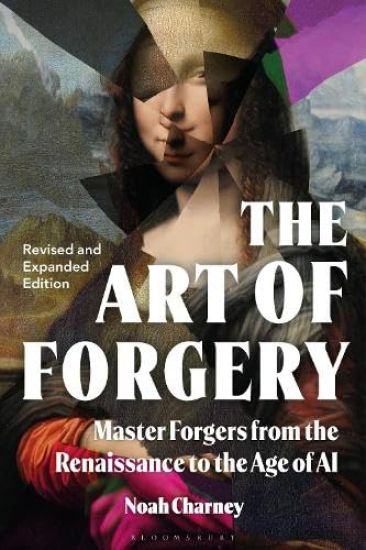
What motivates an art forger? How easy are they to catch? And to what extent have AI and other technologies changed how we approach matters of authenticity, derivation and forgery? In The Art of Forgery Noah Charney, celebrated art historian and the world’s foremost art-crime specialist, explores the stories behind the most famous art forgeries in the world. Chronicling the adventures and misadventures of master forgers throughout history, the book examines how and why these artful tricksters – often ingenious, skilful, quirky and charming – succeeded in deceiving the art world and how they were eventually caught, through shrewd detective work, scientific examination or a good measure of luck. Illustrated in colour throughout, this new revised and expanded edition takes in recent developments in the realm of art and authenticity from the rise of NFTs (content, including artwork, in the form of digital files the ownership of which is written into the blockchain) and AI, with its ability to create, on command, unique new digital images of superlative quality, prompting questions about authorship, originality, and more.
Fatherhood is a fundamental aspect of human existence and a central theme in the arts. Yet, depictions of fathers in art have been overshadowed by those of mothers and children. This book explores representations of fathers in visual culture and literature throughout history, from ancient to contemporary times and around the world. It includes a broad definition of fathers, which also covers father figures and metaphorical “fathers.” The portrayal of fathers in art, literature and film has evolved over time, reflecting the changing societal attitudes towards fatherhood. From the early depictions of father figures as providers and protectors, to the more recent portrayals of fathers as involved and nurturing parents, art has explored the complexities and challenges of being a father, while also showcasing the joys and rewards that come with the role.This will be the definitive look at how fathers have been portrayed in the arts and how that reflects cultural and societal views on fatherhood through history. Through this we will draw out lessons on “how to be a good father” and apply it to parenting today. It is the ideal gift for new fathers, on Father’s Day or following the birth of a first child
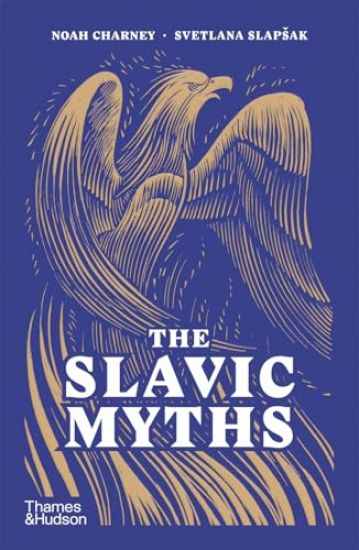
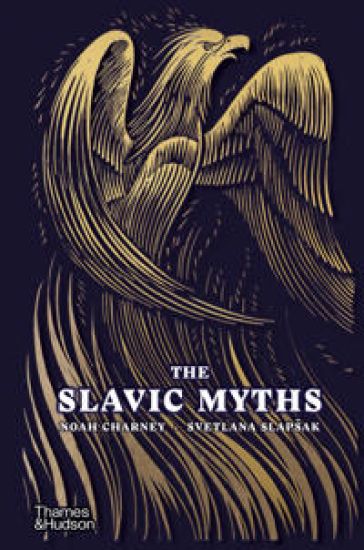
A Pulitzer-nominated author and one of the great public intellectuals of Slavic culture bring to life the unfamiliar myths and legends of the Slavic world. Slavic cultures are far-ranging, comprising of East Slavs (Russia, Ukraine, Belarus), West Slavs (Czech Republic, Slovakia, Poland) and South Slavs (the countries of former Yugoslavia plus Bulgaria), yet they are connected by tales of adventure and magic with deep roots in a common lore. In this first collection of Slavic myths for an international readership, Noah Charney and Svetlana Slapšak expertly weave together a retelling of the ancient stories with nuanced analysis that illuminates their place at the heart of Slavic tradition. Though less familiar to us than the legends of ancient Egypt, Greece and Scandinavia, in the world of Slavic mythology we find much that we can recognize: petulant deities, demons and faeries; witches, the sinister vestica, whose magic may harm or heal; a supreme god who can summon storms and hurl thunderbolts. Gods gather under the World Tree, reminiscent of Norse mythology’s Yggdrasill; or, after the coming of Christianity, congregate among the clouds. The vampire – usually the only Serbo-Croatian word in any foreign-language dictionary – and the werewolf emerge from the shallow graves of Slavic belief. In their careful analysis and sensitive reconstructions of the origin stories, Charney and Slapsak unearth the Slavic beliefs before their distortion first by Christian chroniclers and then by 19th-century scholars seeking origin stories for their new-born nation states. They reveal links not only to the neighbouring pantheons of Greece, Rome, Egypt and Scandinavia but also the belief systems of indigenous peoples of Australia, the Americas, Africa and Asia. In so doing, they draw out the universalities that cut across cultures in the stories we tell ourselves.
Are you interested in getting published and earning money as a writer? Whether your focus is books or articles, there are all manner of tricks of the trade that most writers have to learn the hard way, on their own, through trial and error—if they learn them at all. From how to write a book proposal to pitching to editors, from great openings to how to get paid and read contracts, the logistics of how to be a writer are rarely taught, even in creative writing programs and in how-to-write books. The 12-Hour Author lifts the veil and invites the reader in on the secrets of successful writers, both from the angle of how to write well, but also—and almost uniquely among books on the subject—the practical elements of how to work as a writer. The author is a Pulitzer nominee who has published more than twenty books, including international best-sellers, and hundreds of articles for major publications, including The Guardian and The Washington Post. Divided into 12 chapters, if you’re willing to commit as little as 12 hours to learning this craft, you’ll have all the tools you’ll need.
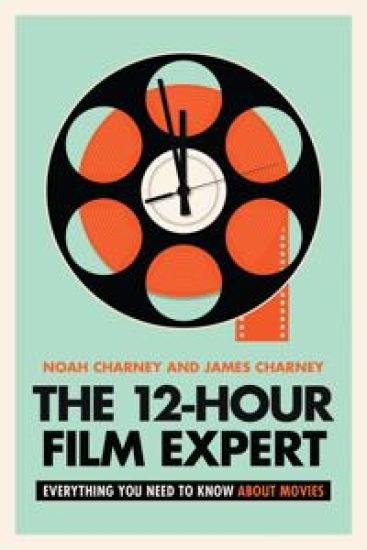
The only book you need to become an expert on film history, technique, and appreciation.If you are looking at this book, then you probably love watching movies and television shows. Who doesn’t? But most of us do so as passive entertainment—to wind down, relax, and escape into alternative worlds. Pay close attention though, and you can enhance your movie-watching experience and deepen your appreciation for the art of film. This book will show you how. In The 12-Hour Film Expert, Noah Charney and James Charney offer readers all they need to know about how films are made and how to watch them in a more thoughtful way. Through twelve chapters covering a wide array of genres and periods, the authors highlight key films in each area of focus and explore important figures and more recent films to help readers develop their core understanding of films, ranging from comedies to silent films, noirs to romances, and everything in between. Most importantly though, readers will learn how to truly watch movies. The 12-Hour Film Expert asks essential questions: What did the key films do differently? How did they push the envelope, establish new precedents? The result is a capsule-sized “course” in film appreciation. The only book readers need to master their grasp of film history, technique, and appreciation, it is perfect for movie lovers of all ages. Grab the popcorn and settle in!
If you read one book on the Mona Lisa, let this be it. From the artwork to its theft and role in popular culture, The Thefts of the Mona Lisa provides the complete story, as written by a best-selling, Pulitzer finalist.Leonardo da Vinci’s portrait, called the Mona Lisa, is without doubt the world’s most famous painting. It achieved its fame not only because it is a remarkable example of Renaissance portraiture, created by an acclaimed artistic and scientific genius, but because of its criminal history. The Mona Lisa (also called La Gioconda or La Joconde) was stolen on 21 August 1911 by an Italian, Vincenzo Peruggia. Peruggia was under the mistaken impression that the Mona Lisa had been stolen from Italy during the Napoleonic era, and he wished to take back for Italy one of his country’s greatest treasures. His successful theft of the painting from the Louvre, the farcical manhunt that followed, and Peruggia’s subsequent trial in Florence were highly publicized, sparking the attention of the international media, and catapulting an already admired painting into stratospheric heights of fame. This book tells the art and criminal history of the Mona Lisa.This book examines the criminal biography of Leonardo’s Mona Lisa, with a focus on separating fact from fiction in the story of what is not only the most famous art heist in history, but which is the single most famous theft of all time. In the process this book also tells of Leonardo’s creation of the Mona Lisa, discusses why it is so famous, and investigates two other events in its history of theft and renown. First, it examines the so-called “affaire des statuettes,” in which Pablo Picasso and Guillaume Apollinaire were arrested under suspicion of involvement in the theft of the Mona Lisa. Second, there has long been a question as to whether the Nazis stole the Mona Lisa during the Second World War—a question that this book seeks to resolve.
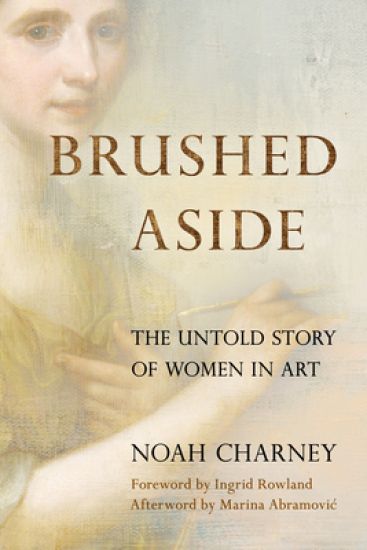
How many female artists can you name? Frida Kahlo, Georgia O’Keefe, Marina Abramovic? How about female artists who lived prior to the Modern era? Maybe Artemisia Gentileschi and then… even a regular museum-goer might run out of steam. What about female curators, critics, patrons, collectors, muses, models and art influencers? This book provides a 360 degree look at the role, influence, and empowerment of women through art—including women artists, but going beyond those who have taken up a brush or a chisel. In 1971, Linda Nochlin published a famous essay, “Why Have There Been No Great Women Artists?” This book responds to it by showing that not only have there been scores of great women artists throughout history, but that great women have shaped the story of art. The result is a book that sheds light on the art world in a very new way, finally celebrating the great women artists and influencers who deserve to be much better known. The entire history of art can be told as a herstory of art.
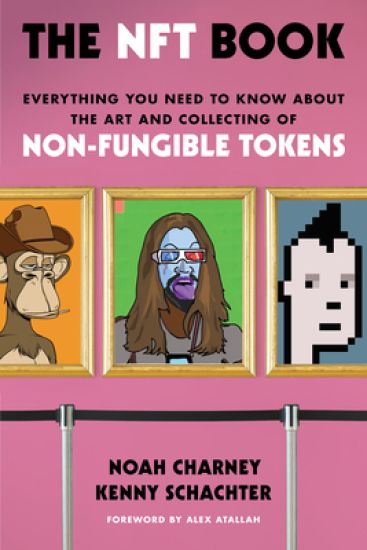
NFTs, non-fungible tokens, as collectible, digital, blockchain-secured files became an international sensation in 2020, with the trend in trading them peaking in the fall of 2021. Many sold for millions, and one even sold for $69 million. And yet what exactly are they, and why do they have value? This is the definitive book on NFTs in the story of art and collecting. It is co-authored by an art historian who has written often on the value of art and the history of collecting. NFTs caught Noah Charney’s attention and fascinated him. He, too, felt that initial knee-jerk reaction that so many who hear of a $69 million sale do: how is this digital image different from me clicking “right-click save” on my touchpad and downloading it to my computer? Why would anyone pay $69 million for something that’s not f*cking there?This book provides answers to these questions and far more. Charney sees in NFTs a direct parallel to the history, sociology and psychology of art collecting. He was recently a “normee” but he’s now halfway inside the club—he is also an acknowledged authority on the history of art and collecting. He knows all there is to know about humans collecting things of no practical value but that we just really want. But then he worked for a period with two crypto-related companies, and got to know this world from within.He’s not alone on this ride. The second half of this book is written by someone who knows just about all there is to know about NFTs: Kenny Schachter. Kenny is an artist, collector, curator, professor, columnist and NFT influencer. In fact, he was listed in the fall of 2021 as among the 30 most influential people in the world of NFTs. He even coined (and trademarked) a term, NFTism. While Charney is an art historian considering the NFT phenomenon from the thoughtful but remote perch of his couch, examining NFTs historical and within the context of collecting and the value of art, Kenny has been “in the field” more than anyone, even during the pandemic, zipping from London to Zurich to Art Basel Switzerland to Art Basel Miami. He has his finger on the virtual, digital pulse of this fascinating, bizarre, hugely lucrative phenomenon.Welcome to the definitive book on NFTs.
A Pulitzer-nominated author and one of the great public intellectuals of Slavic culture bring to life the unfamiliar myths and legends of the Slavic world. Slavic cultures are far-ranging, comprising of East Slavs (Russia, Ukraine, Belarus), West Slavs (Czech Republic, Slovakia, Poland) and South Slavs (the countries of former Yugoslavia plus Bulgaria), yet they are connected by tales of adventure and magic with deep roots in a common lore. In this first collection of Slavic myths for an international readership, Noah Charney and Svetlana Slapšak expertly weave together a retelling of the ancient stories with nuanced analysis that illuminates their place at the heart of Slavic tradition. Though less familiar to us than the legends of ancient Egypt, Greece and Scandinavia, in the world of Slavic mythology we find much that we can recognize: petulant deities, demons and faeries; witches, the sinister vestica, whose magic may harm or heal; a supreme god who can summon storms and hurl thunderbolts. Gods gather under the World Tree, reminiscent of Norse mythology’s Yggdrasill; or, after the coming of Christianity, congregate among the clouds. The vampire – usually the only Serbo-Croatian word in any foreign-language dictionary – and the werewolf emerge from the shallow graves of Slavic belief. In their careful analysis and sensitive reconstructions of the origin stories, Charney and Slapsak unearth the Slavic beliefs before their distortion first by Christian chroniclers and then by 19th-century scholars seeking origin stories for their new-born nation states. They reveal links not only to the neighbouring pantheons of Greece, Rome, Egypt and Scandinavia but also the belief systems of indigenous peoples of Australia, the Americas, Africa and Asia. In so doing, they draw out the universalities that cut across cultures in the stories we tell ourselves.
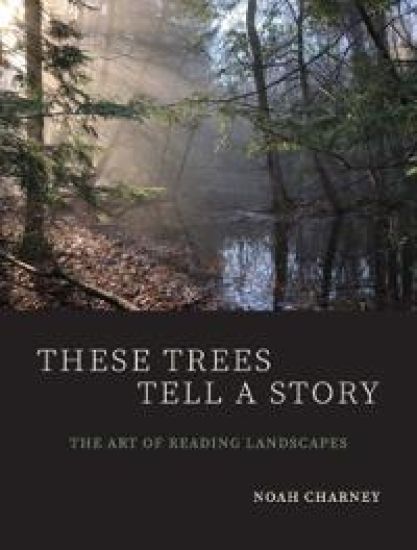
A deeply personal master class on how to read a natural landscape and unravel the clues to its unique ecological history “[Charney] is an amiable host. . . . The cumulative effect of his book on the reader is the realization that, as much as we talk about ‘managing’ nature, nature has been managing itself for eons just fine without us.”—Alexandra Horowitz, The Atlantic Structured as a series of interactive field walks through ten New England ecosystems, this book challenges readers to see the world through the eyes of a trained naturalist. With guided questions, immersive photography, and a narrative approach, each chapter adds layers of complexity to a single scene, revealing the millions of years of forces at play. Tying together geology, forest ecology, wildlife biology, soil processes, evolution, conservation, and more, Noah Charney shows how and why landscapes appear in their current forms. Charney’s stories and lessons will provide anyone with the necessary investigative skills to look at a landscape, interpret it, and tell its story—from its start as rock or soil to the plants and animals that live on it. Ultimately, Charney argues, by critically engaging with the landscape we will become better at connecting with nature and ourselves.
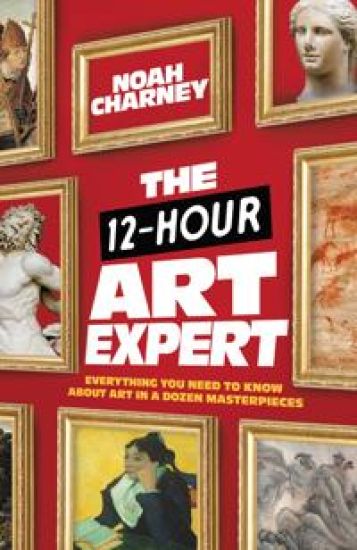
Interested in art but feel under-informed? Curious but afraid you might not “get” it? Already a fan and wishing to immerse yourself in a fun, engaging, informative and informed read that will refresh and top up your Art History 101 and Introduction to Art courses from college? The 12-Hour Art Expert: Everything You Need to Know about Art in a Dozen Masterpieces avoids the common approach of throwing hundreds of images at a reader and expecting them to learn from and memorize them all. Instead, the book will guide its readers through a brief series of masterpieces of Western art—from cave paintings to sharks in formaldehyde. This book twelve chapters teach readers about art, the art trade, and art history in a thorough (though concise) fashion. Each chapter is linked to one notable masterpiece, with references to others, giving readers a fixed, digestible number of objects that they will get to know in depth, and which they can use as a lens to understand the thousands of other, related objects that they might encounter in the future. Museums can be daunting, and art presents a strange new language, one that certainly intrigues but is often intimidating and foreign. This book, written by one of the world’s best-known art historians uses entertaining stories to break down intimidating barriers and invites readers of all ages for a one-stop immersion into art.
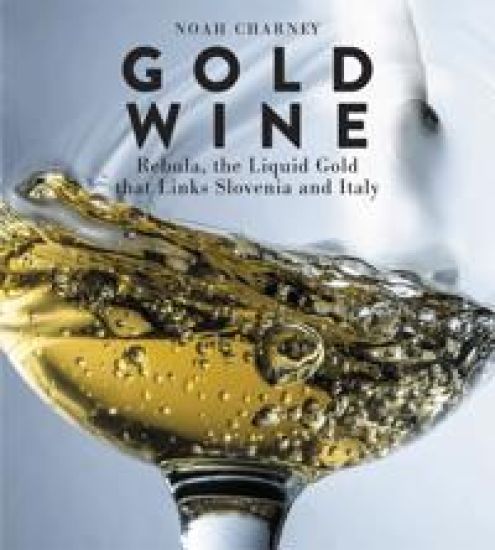
This richly illustrated book introduces readers to “the golden one,” as Rebula has been lovingly described. Rebula grapes, an ancient varietal once prized by princes and popes, are indigenous to the region that now straddles the border between Italy and Slovenia. On the Italian side the area is called Collio, in Slovenia Goriška Brda. It has been rated by experts as among the top five wine terroirs on the planet, shoulder to shoulder with Bordeaux and Tuscany. Wine experts agree, calling Rebula “a dream wine of a new age.” Rebula was rated the World’s Best Wine in 2010 by sommelier Luca Gardini, and a Rebula has received an astounding 100 points on Wine Spectator’s 100-point scale. Beautifully designed with full-color photographs, the book recounts the fascinating story of Rebula and the history of wine in what was once Yugoslavia and is now Slovenia. The protagonist is a remarkable vintner, Zvonimir Simcic, one of the founders of what was Yugoslavia's most important winery before the country fragmented. Almost single-handedly responsible for the preservation of Rebula, he resurrected the forgotten varietal and transformed his home region, spectacular Goriška Brda, from a poverty-stricken area into one of the globe’s great wine destinations.Pulitzer finalist Noah Charney provides a personal, humorous, deeply engaged travelogue through the little-known world of Slovenian wine that will delight adventurous travelers and wine lovers everywhere.
Winner of the Gourmand Award for Best Chef Book; a love-letter to the region, by the internationally-renowned chef and father of modern Slovenian cuisine. First published in Slovenian in 2018, this long-awaited, award-winning book has finally been translated to English. With beautifully written introductory essays for each new stop and robust narrative elements, it follows a road trip around Slovenia in search of the finest ingredients in the country, and the best producers of them. Each chapter profiles an ingredient key to the culture, and the passionate producer or farmer who supplies it, before delving into two select recipes for each—one interpretation of a traditional Slovenian dish and one modern presentation—which highlight the product and showcase its versatility. The reason for this format is simple. For JB, the ingredient is paramount—the source of inspiration. Every dish in his restaurant is created from completely fresh ingredients, which he always hand selects and likes to trace back to their source. So it is only natural that his cookbook would be organized in the same way. It’s very much a reflection of the chef himself: an innovator rooted in local tradition and ingredients. Featuring carefully-chosen ingredients like Adriatic fish, beef, game, fleur de sel, olive oil, prosciutto, wild herbs, goat cheese, and cabbage, you’ll find recipes such as: Soft red polenta with chanterelle sauce and sour creamCreamed Jerusalem artichoke soup with truffles, fried Jerusalem artichoke peels, olive oil, and red peppercornsRed deer fillet with juniper berry sauce, tarragon roll, red Swiss chard stems, celeriac, and cranberry jamHazelnut ice cream with olive oil, dark chocolate, and fleur de selFried and cooked beef tendons with honey in wild garlic sauce, with cold-pressed sunflower oil, vinegar, and wild herbsChicken in white wine with root vegetables and new potatoesProsciutto-wrapped monkfish with celeriac purée, peach cream, and olive oil jelly Fellow Slovenian Ana Roš (named the best female chef in the world in 2017) told CNN: “Every country has 'The Chef.' In Slovenia, this is him. Chef Janez Bratovž is the father of modern Slovenian cuisine.” With the country being awarded the title of European Region of Gastronomy in 2021, it’s clear that Slovenia and its beautiful and diverse cuisine is fast becoming the next major culinary destination, and its time in the spotlight is overdue.
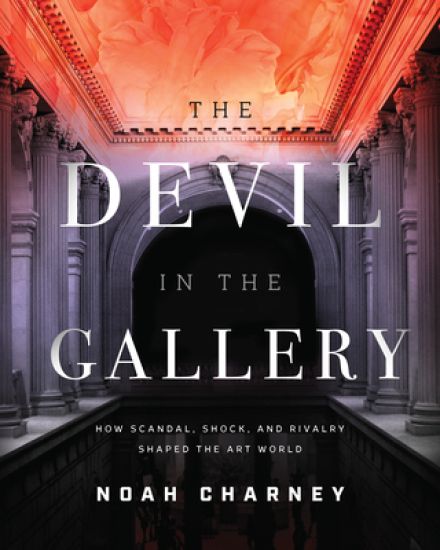
Scandal, Shock and Rivalry Can Be an Artist’s Best FriendsScandal, shock and rivalry all have negative connotations, don’t they? They can be catastrophic to businesses and individual careers. A whiff of scandal can turn a politician into a smoking ruin. But these potentially disastrous “negatives” can and have spurred the world of fine art to new heights. A look at the history of art tells us that rivalries have, in fact, not only benefited the course of art, from ancient times to the present, but have also helped shape our narrative of art, lending it a sense of drama that it might otherwise lack, and therefore drawing the interest of a public who might not be drawn to the objects alone. There would be no Sistine Chapel by Michelangelo had rival Raphael not tricked the pope into assigning him the commission, certain that Michelangelo, who had never before worked with frescoes, would botch the job and become a laughing stock. Scandal and shock have proven to be powerful weapons when harnessed and wielded willfully and well. That scandal is good for exposure has been so obviously the case that many artists have courted it intentionally, which we will define as shock: intentionally overturning expectations of the majority in a way that traditionalist find dismaying or upsetting, but which a certain minority avant-garde find exciting. From Damien Hirst presenting the public with a shark embalmed in formaldehyde and entombed in a glass case to Marcel Duchamp trying to convince the art community that a urinal is a great sculpture shock has been a key promotional tool.The Devil in the Gallery is a guided tour of the history of art through it scandals, rivalries, and shocking acts, each of which resulted in a positive step forward for art in general and, in most cases, for the careers of the artists in question. In addition to telling dozens of stories, lavishly illustrated in full color, of such dramatic moments and arguing how they not only affected the history of art but affected it for the better, we will also examine the proactive role of the recipients of these intentionally dramatic actions: The art historians, the critics and even you, the general public. The Devil likes to lurk in dark corners of the art world, morphing into many forms. Let us shed light upon him.
What Anthony Bourdain's Kitchen Confidential did for the world of chefs and restaurants, Making It does for the art world.Making It is a gonzo memoir of an established artist crossed with objective advice, tips and tricks fleshed out by a best-selling art historian and Pulitzer finalist writer on art. It peels back the shroud and reveals the highs and struggles in the life and career of a working artist. Specifically aimed at aspiring artists and art students, it will be of interest to anyone who wants to know what it is like to have an artist’s-eye-view of the art world, asking the tough and often glossed-over questions that rising artists inevitably have, not only about the creative process, but about navigating the turbulent waters of the social, professional, academic, critical, museum and trade elements of a career as a visual artist. How best to deal with the abundance of alcohol, drugs and sex while wire-walking your own artistic dilemmas? How can an artist launch his or her career and help it flourish? What’s it like to achieve every artist’s dream, including showing at the Venice Biennale? What does it really mean to "make it" and how can you maintain your groove once you’ve arrived? All these questions and more are answered in this combination tell-all memoir and how-to manual for rising artists and anyone wanting a behind-the-scenes tour of what it’s like to be an artist.
The Art Thief's Handbook is a collection of popular essays on art crime by one of the world's leading authorities on the subject. Informed through scholarship but written in an accessible manner for a general audience, these essays are informative and entertaining, delving into the dark side of the art world. From theft to forgery, from museums to churches, from tomb raiders to illicit antiquities, from heists to cons, The Art Thief's Handbook provides a great introduction and more in-depth look at art crime, in all its aspects. Noah Charney is a professor specializing in the history of art crime and author of more than a dozen critically-acclaimed and best-selling books, including The Art Thief, The Art of Forgery, The Museum of Lost Art and The Collector of Lives, which was a finalist for the Pulitzer Prize. He is the founder of ARCA, the Association for Research into Crimes against Art. Profits from the sale of this book and others in this series support ARCA's research.
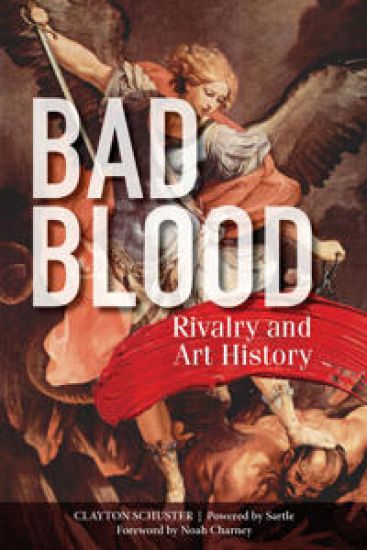
Why is there so much bad blood involved in the stories of artists and their artworks? Immerse yourself in 18 infamous artistic rivalries, dramatized with gripping moments of narrative, to understand how the rivalries that art fans love to gossip about serve a larger purpose in the way cultures approach the idea of art and the artist. Why did Michelangelo loathe Raphael for decades after the latter had died? How did Pablo Picasso and Henri Matisse balance their perpetual competition with a lifelong friendship? What transgression pitted the notorious titans of the London graffiti scene, Banksy and King Robbo, in a rivalry that ended with a tragic and unforeseeable death? An investigative journey transforms some of the “big names” of the art world into real people—often grumpy, ornery, antagonistic, and flawed—and better reveals how all of us respond to art.
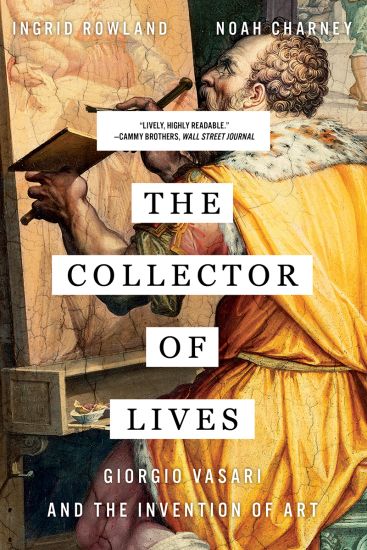
An accomplished painter, architect and diplomat, Giorgio Vasari (1511–1574) is best known for Lives of the Artists, his classic account of the great masters—an extraordinary book that invented the genre of artistic biography, single-handedly established the canon of Italian Renaissance art and founded the cults of Raphael, Leonardo and Michelangelo that persist to this day. Vasari positioned art as an intellectual pursuit instead of just a technical skill, teaching us to view artists as geniuses and visionaries rather than as simple craftsmen. Immersing readers in the world of the Medici and the popes, Ingrid Rowland and Noah Charney show the great works of Western culture taking shape amid the thrilling culture of Renaissance Italy.
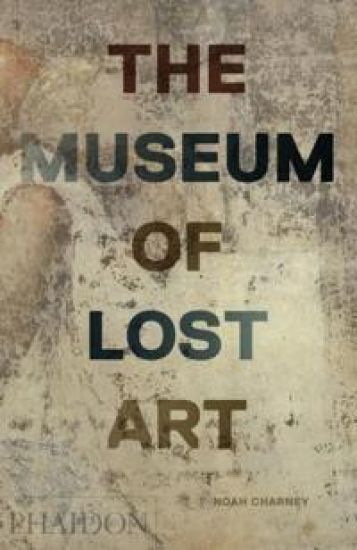
True tales of lost art, built around case studies of famous works, their creators, and stories of disappearance and recovery From the bestselling author of The Art of Forgery comes this dynamic narrative that tells the fascinating stories of artworks stolen, looted, or destroyed in war, accidentally demolished or discarded, lost at sea or in natural disasters, or attacked by iconoclasts or vandals; works that were intentionally temporal, knowingly destroyed by the artists themselves or their patrons, covered over with paint or plaster, or recycled for their materials. An exciting read that spans the centuries and the continents.
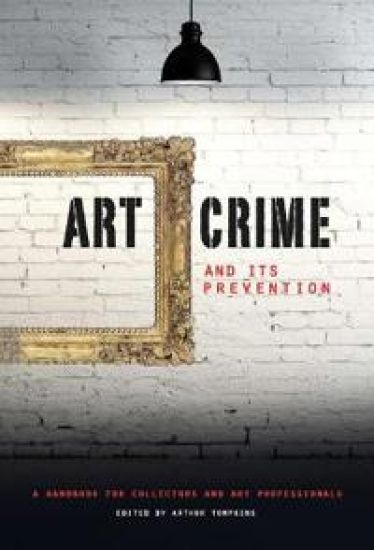
Art Crime and Its Prevention is the definitive handbook on art crime for art-world professionals of all kinds – from the museum, auction house or art-insurance employee to the contemporary gallerist, dealer, art-market student or collector. Written by a range of international experts, the book's territory is broad and includes advice on how to secure art in galleries and private collections; how and when to insure art; what to look for to be sure that an artwork you buy is legitimate; how to check provenance to be certain that it matches the work it accompanies; how to deal with forgery and best-practices in art acquisition. Contextual debate, such as discussion of the impact of looting in conflict zones and the relevant international law relating to art in war, enlivens the text and helps to present a fully-rounded analysis of art crime and its many associations. An authoritative and readable handbook, Art Crime and Its Prevention will be an essential reference guide for all those involved in the art world internationally, or in the protection and recovery of artworks.