Kirjojen hintavertailu. Mukana 12 595 353 kirjaa ja 12 kauppaa.

Kirjailija

Noah Riseman

Kirjat ja teokset yhdessä paikassa: 8 kirjaa, julkaisuja vuosilta 2012-2023, suosituimpien joukossa In Defence of Country. Vertaile teosten hintoja ja tarkista saatavuus suomalaisista kirjakaupoista.

8 kirjaa

Kirjojen julkaisuhaarukka 2012-2023.

Transgender Australia

Transgender Australia

Noah Riseman

MELBOURNE UNIVERSITY PRESS
2023
nidottu
Trans and gender diverse people have always been present in Australian life, whether they've lived quiet lives in the country, performed in cabaret shows, worked on the streets or run for parliament. But over the last century there have been remarkable changes in how they have identified and expressed themselves. Transgender Australia is the first book to chart the changing social, medical, legal and lived experiences of trans and gender diverse people in Australia since 1910. Drawing on over a hundred oral history interviews and previously unexamined documents and media reports, it highlights how trans people have tried to live authentically while navigating a society that often treated them like outcasts.It is the first book to chart the history of gender diverse Australians, exploring both progress and ongoing battles. It is also a celebration of ways that transgender participation has enriched our lives in all its cultural diversity.
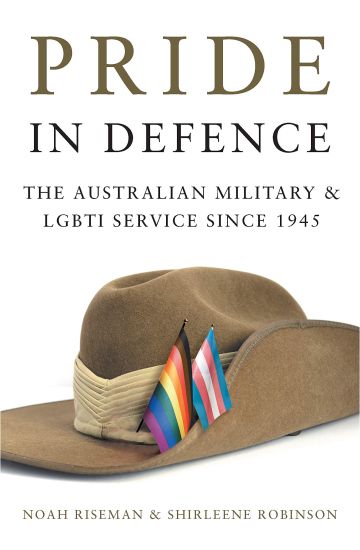
Pride in Defence

Pride in Defence

Noah Riseman; Shirleene Robinson

Melbourne University Press
2020
nidottu
Since the Second World War the Australian military has undergone remarkable transformations in the way it has treated lesbian, gay, bisexual, transgender and intersex service members: it has shifted from persecuting, hunting and discharging LGBTI members to embracing them as valued members who enhance the Force's capabilities.LGBTI people have served in the Australian military since its very beginnings, yet Australian Defence Force histories have been very slow to recognise this. Pride in Defence confronts that silence. It charts the changing policies and practices of the ADF, illuminating the experiences of LGBTI members in what was often a hostile institution.Drawing on over 140 interviews and previously unexamined documents, Pride in Defence features accounts of secret romances, police surveillance and traumatic discharges. At its centre are the courageous LGBTI members who served their country in the face of systemic prejudice. In doing so, they showed the power of diversity and challenged the ADF to make it a far stronger institution.
Indigenous Peoples and the Second World War

Indigenous Peoples and the Second World War

R. Scott Sheffield; Noah Riseman

Cambridge University Press
2020
pokkari
During the Second World War, Indigenous people in the United States, Australia, New Zealand and Canada mobilised en masse to support the war effort, despite withstanding centuries of colonialism. Their roles ranged from ordinary soldiers fighting on distant shores, to soldiers capturing Japanese prisoners on their own territory, to women working in munitions plants on the home front. R. Scott Sheffield and Noah Riseman examine Indigenous experiences of the Second World War across these four settler societies. Informed by theories of settler colonialism, martial race theory and military sociology, they show how Indigenous people and their communities both shaped and were shaped by the Second World War. Particular attention is paid to the policies in place before, during and after the war, highlighting the ways that Indigenous people negotiated their own roles within the war effort at home and abroad.
Indigenous Peoples and the Second World War

Indigenous Peoples and the Second World War

R. Scott Sheffield; Noah Riseman

Cambridge University Press
2018
sidottu
During the Second World War, Indigenous people in the United States, Australia, New Zealand and Canada mobilised en masse to support the war effort, despite withstanding centuries of colonialism. Their roles ranged from ordinary soldiers fighting on distant shores, to soldiers capturing Japanese prisoners on their own territory, to women working in munitions plants on the home front. R. Scott Sheffield and Noah Riseman examine Indigenous experiences of the Second World War across these four settler societies. Informed by theories of settler colonialism, martial race theory and military sociology, they show how Indigenous people and their communities both shaped and were shaped by the Second World War. Particular attention is paid to the policies in place before, during and after the war, highlighting the ways that Indigenous people negotiated their own roles within the war effort at home and abroad.
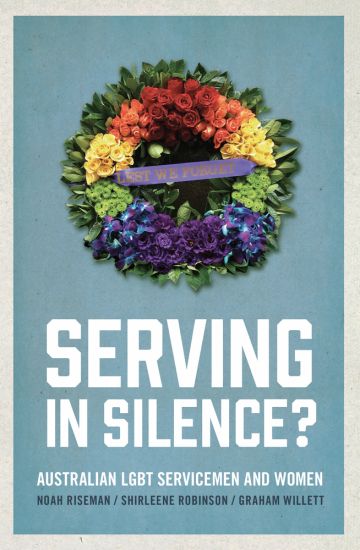
Serving in Silence?

Serving in Silence?

Noah Riseman; Shirleene Robinson; Graham Willett

NewSouth Publishing
2018
nidottu
Most people have heard of the United States’ infamous ‘Don’t Ask, Don’t Tell’ policy, yet few know about Australia’s own history of LGBT military service. In Serving in Silence? lesbian, gay, bisexual and transgender servicemen and women share their personal stories for the first time. The book explores the emotional stress they experienced hiding their sexuality or gender identity under official bans, as well as the challenges facing those who have served openly in the last 25 years. Tracing the ADF’s transformation to the inclusive organisation it is today, Serving in Silence? also highlights the pivotal role of military service in the lives of many LGBT Australians and how they have served their country with distinction.
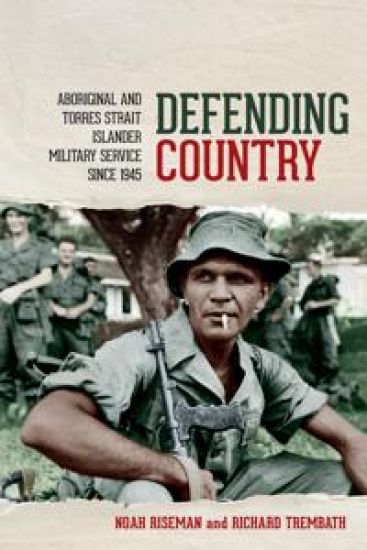
Defending Country: Aboriginal and Torres Strait Islander Military Service since 1945
The role of Aboriginal servicemen and women has only recently been brought to the forefront of conversation about Australia s war history. This important book makes a key contribution to recording the role played by Indigenous Australians in our recent military history. Written by two respected historians and based on a substantial number of interviews with Indigenous war veterans who have hitherto been without a voice, it combines the best of social and military history in one book. This will be the first book to focus on this previously neglected part of Australian social history."
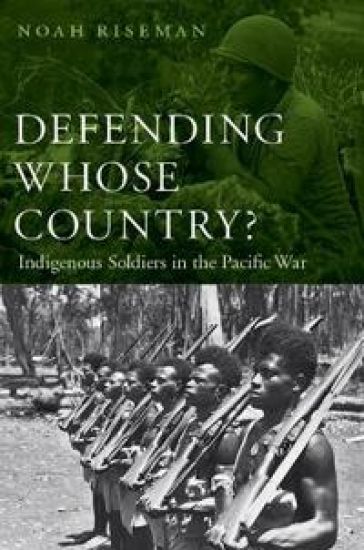
Defending Whose Country?

Defending Whose Country?

Noah Riseman

University of Nebraska Press
2012
sidottu
In the campaign against Japan in the Pacific during the Second World War, the armed forces of the United States, Australia, and the Australian colonies of Papua and New Guinea made use of indigenous peoples in new capacities. The United States had long used American Indians as soldiers and scouts in frontier conflicts and in wars with other nations. With the advent of the Navajo Code Talkers in the Pacific theater, Native servicemen were now being employed for contributions that were unique to their Native cultures. In contrast, Australia, Papua, and New Guinea had long attempted to keep indigenous peoples out of the armed forces altogether. With the threat of Japanese invasion, however, they began to bring indigenous peoples into the military as guerilla patrollers, coastwatchers, and regular soldiers.Defending Whose Country? is a comparative study of the military participation of Papua New Guineans, Yolngu, and Navajos in the Pacific theater. In examining the decisions of state and military leaders to bring indigenous peoples into military service, as well as the decisions of indigenous individuals to serve in the armed forces, Noah Riseman reconsiders the impact of the largely forgotten contributions of indigenous soldiers in the Second World War.