Kirjojen hintavertailu. Mukana 12 152 606 kirjaa ja 12 kauppaa.
Kirjailija
Norbert Schmitt
Kirjat ja teokset yhdessä paikassa: 13 kirjaa, julkaisuja vuosilta 2006-2024, suosituimpien joukossa Beinhaus. Vertaile teosten hintoja ja tarkista saatavuus suomalaisista kirjakaupoista.
Ein 27-J hriger aus Dinkelsb hl geriet am fr hen Sonntagnachmittag gegen 14 Uhr auf der Landesstra e 3073 hinter dem Ortsausgang von Kirchhain mit seinem VW Polo ins Schleudern. Er kam auf die Gegenfahrbahn und stie dort mit dem Heck auf einen entgegenkommenden Opel Mokka. Der Polofahrer starb noch an der Unfallstelle. 123 Tuschezeichnungen, 123 Verkehrsunf lle und ein Vorwort: Sinngebung
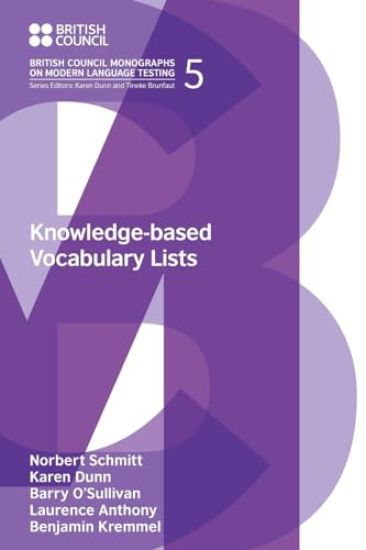
In teaching second language (L2) vocabulary, it is useful to have a way of prioritizing words to teach from among the multitude available. Word frequency, i.e. how often various words appear in written and spoken discourse, has typically been used to inform the emphasis taken. This volume explores the need for word lists based on direct tests of learner knowledge to inform L2 pedagogy. The Knowledge-based Vocabulary Lists (KVL) are introduced, and a description of the theoretical and practical basis for their development is given, highlighting pedagogical and assessment situations in which it is beneficial to know whether learners are likely to be able produce and correctly spell the words they know. A focus on L2 learners of English from Chinese, German, and Spanish L1 backgrounds resulted in three ranked lists of English-language word knowledge. The comparative probability of learners from these language backgrounds knowing each word are presented, and the correspondence with existing information about word frequency, word acquisition sequence, and word difficulty is explored. The value of the KVL is discussed in terms of providing one of the few evidence-based descriptions of L2 form-recall vocabulary knowledge available to teachers and researchers.
In teaching second language (L2) vocabulary, it is useful to have a way of prioritizing words to teach from among the multitude available. Word frequency, i.e. how often various words appear in written and spoken discourse, has typically been used to inform the emphasis taken. This volume explores the need for word lists based on direct tests of learner knowledge to inform L2 pedagogy. The Knowledge-based Vocabulary Lists (KVL) are introduced, and a description of the theoretical and practical basis for their development is given, highlighting pedagogical and assessment situations in which it is beneficial to know whether learners are likely to be able produce and correctly spell the words they know. A focus on L2 learners of English from Chinese, German, and Spanish L1 backgrounds resulted in three ranked lists of English-language word knowledge. The comparative probability of learners from these language backgrounds knowing each word are presented, and the correspondence with existing information about word frequency, word acquisition sequence, and word difficulty is explored. The value of the KVL is discussed in terms of providing one of the few evidence-based descriptions of L2 form-recall vocabulary knowledge available to teachers and researchers.
From the minute you wake up until the time you fall asleep, you use language. This book will show you how language functions, and how to make it work better for you. Norbert Schmitt, an internationally known language specialist, explains 100 ways that you can use language more effectively in your everyday life. The book covers a wide range of real-world language topics, including the following and much more: - The differences between men's and women's language- How to use language more effectively in your business and personal life- Understanding how politicians and the news spin language- How your children's language should develop, and what to do if there are problems- Helping your children learn how to read- How language can go wrong after a stroke, or as we grow older Schmitt covers each language topic in a clear and easy-to-understand manner which assumes no previous knowledge. Each topic is introduced by a question you might be wondering about (What kinds of language tricks do salespeople use to get me to buy things?). The reader-friendly answers are given in short but informative descriptions, with a quick summary at the end. Many sections have brief quizzes or tasks to check how much you know about language and how well you are using it. Each topic also has suggestions for interesting Internet websites to check for more information. Language is fascinating, and this book shows you some of its details that only experts had access to before.
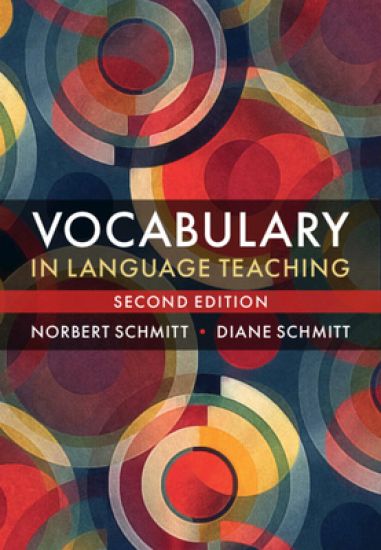
Internationally recognised as one of the leading texts in its field, this volume offers a comprehensive introduction to vocabulary for language teachers who would like to know more about the way vocabulary works. Two leading specialists make research and theory accessible, providing the background knowledge necessary for practitioners to make informed choices about vocabulary teaching and testing. This second edition retains the popular format of the first edition, and has been rewritten to take account of the many developments in the past 20 years. There is a greater focus on the vocabulary learning process, with new chapters on incidental learning, and intentional learning, and a new wide-ranging discussion of formulaic language. The book now also includes extensive treatment of word lists and vocabulary tests, with explanations of their various strengths and limitations. Updated further reading sections, and new Exercises for Expansion make this volume more invaluable than ever.
Internationally recognised as one of the leading texts in its field, this volume offers a comprehensive introduction to vocabulary for language teachers who would like to know more about the way vocabulary works. Two leading specialists make research and theory accessible, providing the background knowledge necessary for practitioners to make informed choices about vocabulary teaching and testing. This second edition retains the popular format of the first edition, and has been rewritten to take account of the many developments in the past 20 years. There is a greater focus on the vocabulary learning process, with new chapters on incidental learning, and intentional learning, and a new wide-ranging discussion of formulaic language. The book now also includes extensive treatment of word lists and vocabulary tests, with explanations of their various strengths and limitations. Updated further reading sections, and new Exercises for Expansion make this volume more invaluable than ever.
Der Zukunftsforscher, Hellseher und Wunderdoktor Dr. Johann Faust kommt in die Stadt. Er wird dort verehrt und angefeindet. Und er wird geliebt. Doch seine Ruhmsucht steht der Liebe im Wege. Die Story ist inspiriert vom historischen Faust und mehr vom "Volksbuch vom Doktor Faustus" als vom Faust der Trag dien und schildert eine Episode aus dem Leben des "f nfachen Doktors, Magister Georgius Sabellicus, Faustus junior", wie er sich selbst nannte. Fausts Dienste wurden gern in Anspruch genommen, nicht nur von den kleinen Leuten sondern auch von Bisch fen, Adeligen und Wissenschaftlern. Ebenso ist verb rgt, dass er das umherschweifende Leben bevorzugte und sich nicht selten durch Flucht in Sicherheit zu bringen wusste. Im Leben des Johann Faust und so auch in dem B hnenst ck "Voodoo Faust" spielt der Teufel keine besondere Rolle. Er ist nicht mehr, aber auch nicht weniger pr sent, als im Leben eines jeden Menschen.
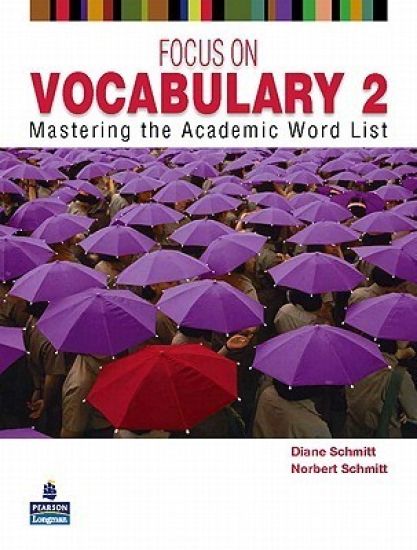
Focus on Vocabulary 2: Mastering the Academic Word List is a research-based vocabulary textbook that gives high-intermediate to advanced students the advantage they need to succeed in academic environments. Through excerpts from college texts and well-crafted exercises, English learners study the Academic Word List – the most frequently used words in academic texts. To help students reach a fuller understanding of the new vocabulary, each chapter provides a series of exercises on word meanings, word families, and collocation. Features Seven units focus on a variety of subject areas, such as social change, consumer behavior, natural resources, and music. Each main chapter carefully recycles the target words four times in reading passages and vocabulary-building exercises. NEW! Reading Strategies are designed to give students the tools they need to better comprehend the materials they read. Activities include recognizing an author’s point of view and synthesizing information from multiple readings. The collocations exercises – based on the 179-million-word New Longman Corpus – reflect how academic words are actually used in real contexts. Expanding the Topic sections provide additional reading, discussion, and writing activities that broaden students’ understanding of vocabulary. Strategy Practice chapters offer tips for dictionary usage, information about word roots and affixes, and methods for expanding students’ word knowledge.
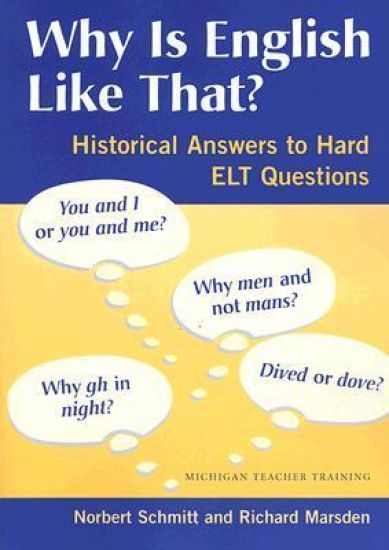
Why is "night" spelled with "gh"? Why can't sentences end with prepositions? Why does English have so many words that express the same ideas? Questions like these can be difficult for teachers to answer when they do not know the historical background of the English language. Why Is English Like That? gives teachers a brief and accessible history of the English without assuming any prior knowledge of the subject. The book outlines the historical events that shaped English; describes how its grammar, vocabulary, spelling, and pronunciation developed over time; and highlights the "quirks" and "exceptions" in English that can be explained on a historical basis. By understanding how the English of today evolved from the English of past times, both teachers and students will be more comfortable with the many conventions of the English language.Why Is English Like That? also contains reproducible grammar and vocabulary exercises that will help teachers incorporate some of this historical knowledge into classroom activities. This book was written with English language teachers in mind, and the exercises are designed for ESL/EFL students, but it may also be used by teachers in training (L1 and L2).