Kirjojen hintavertailu. Mukana 12 390 323 kirjaa ja 12 kauppaa.

Kirjailija

Noriko Iwashita

Kirjat ja teokset yhdessä paikassa: 4 kirjaa, julkaisuja vuosilta 2013-2025, suosituimpien joukossa Understanding Interaction in the Second Language Classroom Context. Vertaile teosten hintoja ja tarkista saatavuus suomalaisista kirjakaupoista.

4 kirjaa

Kirjojen julkaisuhaarukka 2013-2025.

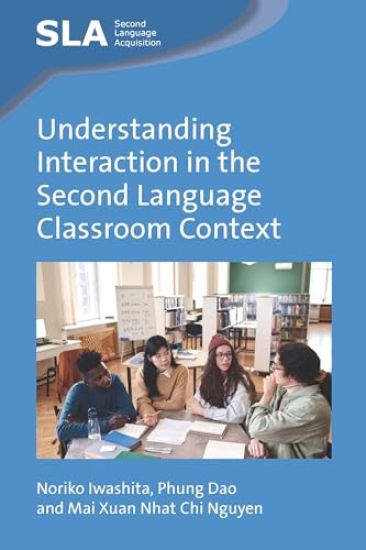
Understanding Interaction in the Second Language Classroom Context

Understanding Interaction in the Second Language Classroom Context

Noriko Iwashita; Phung Dao; Mai Xuan Nhat Chi Nguyen

MULTILINGUAL MATTERS
2025
nidottu
This book provides an overview and analysis of the role that classroom interaction plays in instructed second language acquisition. The authors synthesise current state-of-the-art research on how classroom interaction benefits L2 learning through the lens of three theoretical perspectives: cognitive-interactionist (with a focus on how conversational interaction may promote L2 processing and learning), sociocultural (which assumes that cognitive advances are located within social interaction) and language socialisation (which examines how learners position themselves and are positioned in social interaction, and how they establish their membership in the target language community). They go on to critically examine how findings from this research can be applied to classroom practice in diverse L2 settings; they then provide pedagogical implications and suggested teaching activities to support L2 teachers and teacher educators in harnessing the benefits of classroom interaction for L2 learning.
Understanding Interaction in the Second Language Classroom Context

Understanding Interaction in the Second Language Classroom Context

Noriko Iwashita; Phung Dao; Mai Xuan Nhat Chi Nguyen

MULTILINGUAL MATTERS
2025
sidottu
This book provides an overview and analysis of the role that classroom interaction plays in instructed second language acquisition. The authors synthesise current state-of-the-art research on how classroom interaction benefits L2 learning through the lens of three theoretical perspectives: cognitive-interactionist (with a focus on how conversational interaction may promote L2 processing and learning), sociocultural (which assumes that cognitive advances are located within social interaction) and language socialisation (which examines how learners position themselves and are positioned in social interaction, and how they establish their membership in the target language community). They go on to critically examine how findings from this research can be applied to classroom practice in diverse L2 settings; they then provide pedagogical implications and suggested teaching activities to support L2 teachers and teacher educators in harnessing the benefits of classroom interaction for L2 learning.

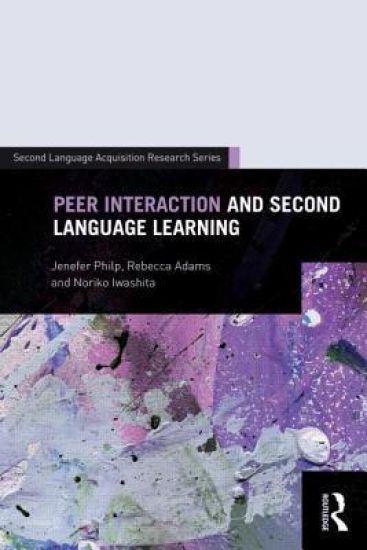
Peer Interaction and Second Language Learning

Peer Interaction and Second Language Learning

Jenefer Philp; Rebecca Adams; Noriko Iwashita

Routledge
2014
sidottu
Peer Interaction and Second Language Learning synthesizes the existing body of research on the role of peer interaction in second language learning in one comprehensive volume. In spite of the many hours that language learners spend interacting with peers in the classroom, there is a tendency to evaluate the usefulness of this time by comparison to whole class interaction with the teacher. Yet teachers are teachers and peers are peers – as partners in interaction, they are likely to offer very different kinds of learning opportunities. This book encourages researchers and instructors alike to take a new look at the potential of peer interaction to foster second language development. Acknowledging the context of peer interaction as highly dynamic and complex, the book considers the strengths and limitations of peer work from a range of theoretical perspectives. In doing so, Peer Interaction and Second Language Learning clarifies features of effective peer interaction for second language learning across a range of educational contexts, age spans, proficiency levels, and classroom tasks and settings.
Peer Interaction and Second Language Learning

Peer Interaction and Second Language Learning

Jenefer Philp; Rebecca Adams; Noriko Iwashita

Routledge
2013
nidottu
Peer Interaction and Second Language Learning synthesizes the existing body of research on the role of peer interaction in second language learning in one comprehensive volume. In spite of the many hours that language learners spend interacting with peers in the classroom, there is a tendency to evaluate the usefulness of this time by comparison to whole class interaction with the teacher. Yet teachers are teachers and peers are peers – as partners in interaction, they are likely to offer very different kinds of learning opportunities. This book encourages researchers and instructors alike to take a new look at the potential of peer interaction to foster second language development. Acknowledging the context of peer interaction as highly dynamic and complex, the book considers the strengths and limitations of peer work from a range of theoretical perspectives. In doing so, Peer Interaction and Second Language Learning clarifies features of effective peer interaction for second language learning across a range of educational contexts, age spans, proficiency levels, and classroom tasks and settings.