Kirjojen hintavertailu. Mukana 12 390 323 kirjaa ja 12 kauppaa.
Kirjailija
Ole G. Mouritsen
Kirjat ja teokset yhdessä paikassa: 16 kirjaa, julkaisuja vuosilta 2009-2025, suosituimpien joukossa BOrdets glæder. Vertaile teosten hintoja ja tarkista saatavuus suomalaisista kirjakaupoista.
Ordet var det første ligesom i denne bogs titel. Det er en god ting at mestre sproget for at fuldkommengøre måltidets glade og nydelsesrige forløb. Ordets og bordets glæder er tæt forbundne og virtuost lykkes det for os at konversere vores bordfælle uden at tale med mad i munden; vi skal vise velvilje og næstekærlighed som i alle forhold. … Ligeså, når samtalekøkkenet danner rammen. Fantasien får vinger, sanserne udfordres, og vi hører, smager og ser, ombølges af dufte, næsten før det store udtræk af krydderurter og kaloriebevidste tryllerier har taget over. Vi får lyst at prise måltidet og hele dets set up. Samtalen løber frit og forventningerne med. … Nu er blot at sige velkommen til bords med de 12 velskrivende forfattere, der her har prøvet at delagtiggøre hinanden og læserne i en masse om omsorg for smag, glæden ved at forske, sætte ord på lækkerierne og sætte dem til livs.IndholdMartin Marchman Andersen: Smag og behag kan (ikke) diskuteres (s. 15-23)Grethe F. Rostbøll: Man tager et Sølvfad (s. 25-32)Anne Hjernøe: Køkkensamtaler og snak om mad (s. 33-45)Klavs Styrbæk & Ole G. Mouritsen: Omsorg for smag (s. 47-58)Ulla Høst: Hornfisk (s. 59-68)Niels Birger Wamberg: Bord, dæk dig! (s. 69-104)Anders Kjærsig: Til bords med Gustav Wied (s. 105-112)Johs. Nørregaard Frandsen: Rødgrød i Grøfterne: H.C. Andersen og det poetiske bord (s. 113-126)Elisabet Sinding: Emma Gad – jeg gider også! (s. 127-133)Irina Bjørnø: Familiens hemmeligheder (s. 135-143)Caroline Nyvang: Politikerens kogebog (s. 145-151)Hanne Holm og Mogens Lykketoft: Klimavenlig menu på skype (s. 153-174)
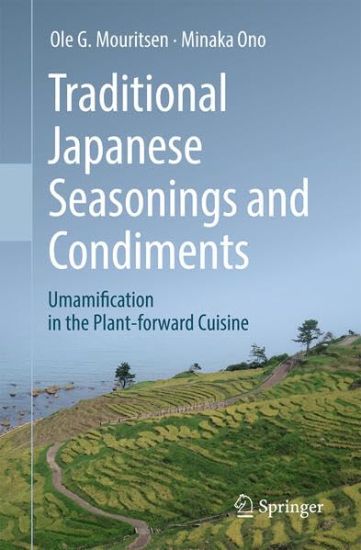
Changes in eating behaviour towards a more plant-forward and sustainable diet require ways to prepare and impart, e.g., vegetables with those tastes, in particular umami, that humans crave as an evolutionary trait, but which plants generally lack due to fundamental plant biology. Food cultures like the traditional Japanese and other vegetarian or flexitarian Asian food cultures have over millennia developed means to umamify vegetables. This book describes such means in terms of powerful Japanese umami-rich condiments and points out how the use of these easily can by transitioned from traditional Japanese cuisine to apply in other food cultures where the challenge is to increase consumption of plant-based foods and cut down on meat without compromising taste. The book advocates that a flexitarian approach will be the most effective way to promote a sustainable plant-forward diet and eating behaviour to scale.
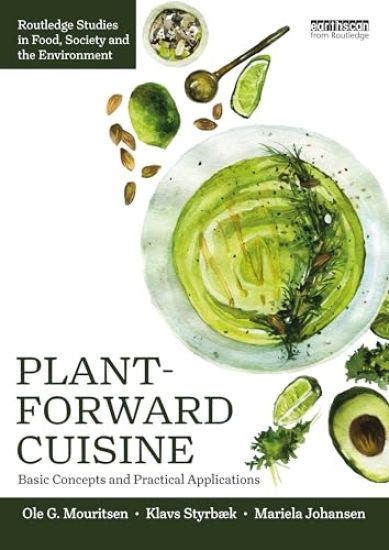
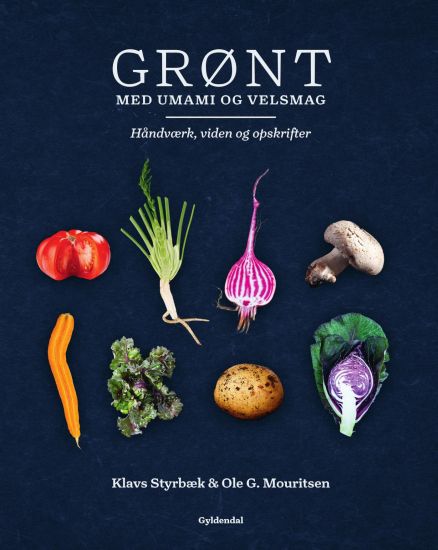
Plant-Forward Cuisine is a beautifully illustrated book that promotes the environmental and health benefits of a plant-forward diet and will inspire readers with a range of exciting recipes.The book addresses the urgent need to make changes to those culinary cultures where animal-sourced proteins play a central role. To ensure that there is enough food for a growing world population, to lessen the burden on the environment, and to promote healthier, sustainable eating patterns, it is crucial to transition to a diet that focuses primarily on plants as the key ingredients. Yet, many people dislike the taste of plants because of their texture and lack of sweetness and umami. Luckily, the book provides a solution to these challenges. It offers key scientific descriptions of the physical characteristics of plants, mushrooms, algae, and fungi and their nutritional components, along with information about creation of texture and flavour. Armed with this knowledge, the recipes then provide tips and tricks for transforming plants into delicious meals with pleasing textures and flavours. The authors stress that it is not necessary to embrace a fully vegetarian or vegan diet. Rather, they suggest that taking a flexitarian approach, which incorporates small quantities of animal products to elicit umami, may be a more viable and lasting solution for people at large. Throughout the text readers will find interesting narratives about various aspects of green gastronomy around the world. The book concludes with two helpful reference sections: a glossary of main ingredients used in the recipes and a compilation of ingredients that can be used to add taste and aroma.This book will be of great interest to those concerned with building a sustainable food system, and it will serve as a practical guide for those seeking to transition to plant-rich diets without compromising their taste experience and enjoyment of food.
Det har til alle tider været kokkens ambition og udfordring at lave mad, der stimulerer sanserne og vækker appetitten. Derfor er det et smagshåndværk, vi hver dag praktiserer, når vi laver mad. Smagshåndværket er summen af viden, håndelag, tradition og nytænkning i den professionelle gastronomi og i vores fælles madkultur. Gastrofysik er videnskaben bag smagen. Et nyere vidensfelt om madens fysiske og kemiske processer, som giver os forklaringer på, hvad der sker under tilberedningen. I dag står vores madvaner over for store forandringer frem mod et mere grønt og planterigt køkken. Her har kokke og andre madprofessionelle en unik mulighed for at gå forrest og vise vej i den grønne omstilling. Med indsigt i gastrofysikken kan kokken skærpe sit smagshåndværk og finde nye svar på, hvad vi skal spise i fremtiden med smag, bæredygtighed og nydelse i behold. Gennem praktiske øvelser og opskrifter samt videnskabelige forklaringer og illustrationer af gastrofysiske processer giver denne bog en dybdegående forståelse af de mange muligheder, vi har for at fremme madens smag. Det gælder såvel de præcise, klassiske tilberedninger som helt nye, innovative retter. Med viden fra gastrofysikken og skarphed i smagshåndværket kan vi slippe kreativiteten løs såvel i daglige måltider som i udviklingen af en bæredygtig madkultur. Gastrofysik og smagshåndværk er til alle madlavende og spisende mennesker og i særdeleshed til elever og faglærere på de fødevarefaglige erhvervsuddannelser. Alle kan få glæde, indsigt og inspiration fra bogen, hvad enten man arbejder med gastronomi professionelt eller laver mad i sit hjemmekøkken.Anmeldelse:... et fremragende supplement til gastronombogen, som giver forståelse for processer og teknikker bag gastrofysikken i køkkenet. ... Bogen giver en kæmpe indsigt i, hvad der sker ... Bogen burde være obligatorisk læsning for alle gastronomelever, og stå i ethvert køkken som opslagsværk.Af Thomas Riis, præsident for Kokkeforeningen Danmark
Hvad er rogn, og hvordan kan vi bruge den i vores køkken på en bæredygtig måde med respekt for naturen og med fokus på smag, ikke mindst i det grønne køkken? Rogn er æg fra fisk, krebsdyr og bløddyr og spises både som en dagligdags, folkekær spise som torskerogn og er populær som sæsonvare som stenbiderrogn, men rogn er også en eftertragtet og dyr, gastronomisk delikatesse som caviar. Bogen Rogn illustrerer de forskellige anvendelser af mange slags rogn både ved klassiske og nyfortolkede retter såvel som helt nye tilberedninger. Den er blevet til som et samarbejde mellem en kok, Klavs Styrbæk, og en videnskabsmand, Ole G. Mouritsen, der sammen er gået i køkkenet for at blive klogere på rogn ved at smage sig frem, eksperimentere og udvise interesse for at kombinere nysgerrighed og viden med godt kokkehåndværk. Rogn, der er flot illustreret med fotografier af Jonas Drotner Mouritsen, henvender sig til et bredt publikum, som er interesseret i verden og den del af verden, vi spiser.
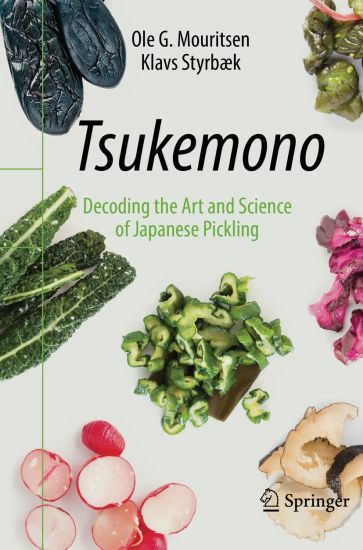
One of the best-kept secrets of Japanese cuisine is a range of side dishes known as tsukemono (????, ??). The word, pronounced ‘tskay-moh-noh,’ means ‘something that has been steeped or marinated’ (tsuke—steeped; mono—things). Although tsukemono are usually made from vegetables, some fruits, flowers, and a few rhizomes are also preserved this way; it is, therefore, more accurate to characterize them as ‘pickled foods.’ Their preparation makes use of one or more conservation techniques, involving ingredients such as salt, sugar, vinegar, alcohol, and herbs, in combination with methods including dehydration, marinating in salt and acidic liquids, fermentation, and curing. The process of making tsukemono amounts to more than just a simple way of preserving otherwise perishable fresh produce. Apart from its nutritional value, the dish stimulates the appetite, provides delicious taste sensations, and improves digestion, all while remaining an elegant study in simplicity and esthetic presentation. This book goes well beyond explaining the secrets of making crisp tsukemono. The authors discuss the cultural history and traditions associated with these pickled foods; provide recipes and outline techniques for preparing them at home with local ingredients; describe the healthful benefits and basic nutritional value to be found in the various types of pickles; and show how easy it is to serve them on a daily basis to stimulate the appetite or as condiments to accompany vegetable, fish, and meat dishes. The goal is to encourage the readers of this book to join us in a small culinary adventure that will allow us to expand and diversify our consumption of plant-based foods, which are so vital to our overall well-being. And along the way, there may be a few surprises.
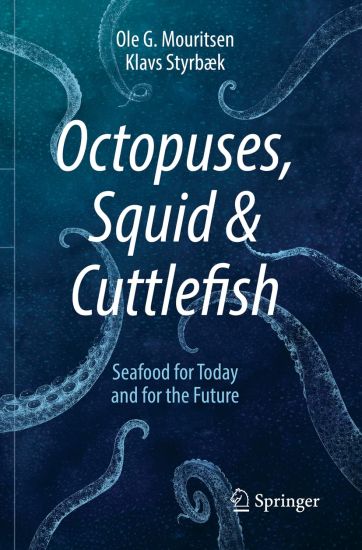
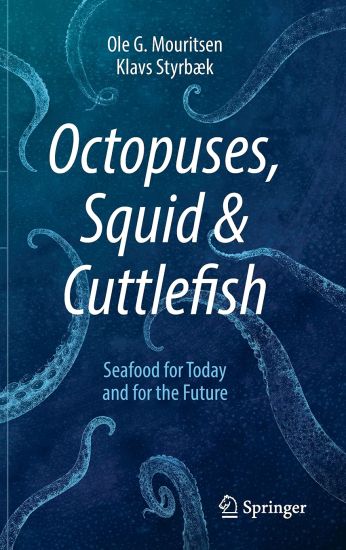
Humans everywhere have always been fascinated by octopuses, squid, and cuttlefish, known biologically as cephalopods. They evolved hundreds of millions of years ago and are related to molluscs such as mussels and snails. They can grow to an enormous size with eyes as big as footballs, but they still live for only a couple of years. They mate once in their lifetime and die shortly after. They have blue blood and three hearts and they can shoot out jet-black ink. They have a brain and have behaviours that could be interpreted as signs of intelligence, even though more than half of their brain is distributed in their arms. They are colour blind, but they can change the colour of their skin in a flash. They are masters of disguise and are able to alter the texture of their skin and the patterns displayed on it at lighting speed. They can also ‘taste’ using the suckers on their arms. They can move extremely fast thanks to a jet-propulsion system built into their body cavity. Although they are soft-bodied and look vulnerable, cephalopods are formidable predators. Octopuses have arms that are so strong that they can exert a force equal to hundreds of times their own body weight. Squid and cuttlefish can shoot out a tentacle to capture prey at the speed of a javelin thrown by an expert athlete. Cephalopods are, however, so much more than just fascinating creatures with strange physical characteristics. They are a nutritious, delicious protein source that has found a place for thousands of years in many food cultures around the world. As squid, cuttlefish, and octopuses are native to virtually all parts of the ocean, they are an excellent and available alternative to meat from terrestrial animals. This book is written to promote the overall place of cephalopods in home kitchens and to inspire the uninitiated to add them to their diet. It describes the many facets of their anatomy that play a central role in their potential use as healthy, diverse,and interesting food sources, with a particular emphasis on their taste and texture. By way of an assortment of recipes, the authors hope to dispel the myth that it is difficult to prepare delicious dishes using squid, cuttlefish, and octopuses. In addition, there are contributions to the on-going discussions about how marine resources can be exploited more responsibly in a sustainable manner. Ole G. Mouritsen is a professor of gastrophysics and culinary food innovation at the University of Copenhagen,president of the Danish Gastronomical Academy, and director of the Danish national research and communication centre Taste for Life. Klavs Styrbæk is a chef and leader of the gastronomic enterprise STYRBÆKS, which includes a gourmet restaurant, a cooking school, a catering service, and a product development branch.
One of the best-kept secrets of Japanese cuisine is a range of side dishes known as tsukemono (????, ??). The word, pronounced ‘tskay-moh-noh,’ means ‘something that has been steeped or marinated’ (tsuke—steeped; mono—things). Although tsukemono are usually made from vegetables, some fruits, flowers, and a few rhizomes are also preserved this way; it is, therefore, more accurate to characterize them as ‘pickled foods.’ Their preparation makes use of one or more conservation techniques, involving ingredients such as salt, sugar, vinegar, alcohol, and herbs, in combination with methods including dehydration, marinating in salt and acidic liquids, fermentation, and curing. The process of making tsukemono amounts to more than just a simple way of preserving otherwise perishable fresh produce. Apart from its nutritional value, the dish stimulates the appetite, provides delicious taste sensations, and improves digestion, all while remaining an elegant study in simplicity and esthetic presentation. This book goes well beyond explaining the secrets of making crisp tsukemono. The authors discuss the cultural history and traditions associated with these pickled foods; provide recipes and outline techniques for preparing them at home with local ingredients; describe the healthful benefits and basic nutritional value to be found in the various types of pickles; and show how easy it is to serve them on a daily basis to stimulate the appetite or as condiments to accompany vegetable, fish, and meat dishes. The goal is to encourage the readers of this book to join us in a small culinary adventure that will allow us to expand and diversify our consumption of plant-based foods, which are so vital to our overall well-being. And along the way, there may be a few surprises.
Humans everywhere have always been fascinated by octopuses, squid, and cuttlefish, known biologically as cephalopods. They evolved hundreds of millions of years ago and are related to molluscs such as mussels and snails. They can grow to an enormous size with eyes as big as footballs, but they still live for only a couple of years. They mate once in their lifetime and die shortly after. They have blue blood and three hearts and they can shoot out jet-black ink. They have a brain and have behaviours that could be interpreted as signs of intelligence, even though more than half of their brain is distributed in their arms. They are colour blind, but they can change the colour of their skin in a flash. They are masters of disguise and are able to alter the texture of their skin and the patterns displayed on it at lighting speed. They can also ‘taste’ using the suckers on their arms. They can move extremely fast thanks to a jet-propulsion system built into their body cavity. Although they are soft-bodied and look vulnerable, cephalopods are formidable predators. Octopuses have arms that are so strong that they can exert a force equal to hundreds of times their own body weight. Squid and cuttlefish can shoot out a tentacle to capture prey at the speed of a javelin thrown by an expert athlete. Cephalopods are, however, so much more than just fascinating creatures with strange physical characteristics. They are a nutritious, delicious protein source that has found a place for thousands of years in many food cultures around the world. As squid, cuttlefish, and octopuses are native to virtually all parts of the ocean, they are an excellent and available alternative to meat from terrestrial animals. This book is written to promote the overall place of cephalopods in home kitchens and to inspire the uninitiated to add them to their diet. It describes the many facets of their anatomy that play a central role in their potential use as healthy, diverse,and interesting food sources, with a particular emphasis on their taste and texture. By way of an assortment of recipes, the authors hope to dispel the myth that it is difficult to prepare delicious dishes using squid, cuttlefish, and octopuses. In addition, there are contributions to the on-going discussions about how marine resources can be exploited more responsibly in a sustainable manner. Ole G. Mouritsen is a professor of gastrophysics and culinary food innovation at the University of Copenhagen,president of the Danish Gastronomical Academy, and director of the Danish national research and communication centre Taste for Life. Klavs Styrbæk is a chef and leader of the gastronomic enterprise STYRBÆKS, which includes a gourmet restaurant, a cooking school, a catering service, and a product development branch.
Inspireret af forskellige madkulturer, som spiser meget grønt, f.eks. den asiatiske, giver forfatterne et videnskabeligt baseret svar på, hvordan man laver velsmagende mad af grønt, hvad enten det er planter, alger eller svampe. Udgangspunktet er den totale smagsoplevelse, som bygger på alle vores fem sansers interaktion med maden. Der er i bogen især fokus på, hvordan man kan tilberede mad af grønt, så det får velsmag (især umami) og en interessant og spændende mundfølelse, så man får lyst til ikke bare at spise grønt, men også at spise mere grønt. Bogen giver en lang række tips til, hvordan man selv meget nemt kan lave mad af grønt, som bliver ensmagsmæssig oplevelse. Alle bygger de på egne erfaringer i køkkenet og videnskabelig indsigt i, hvad der giver maden smag og mundfølelse, og hvordan vi både fysiologisk og neurologisk opfatter en smagsoplevelse. Den grønne bølge er over os, og ernæringseksperter, kendte kokke og repræsentanter for den vegetariske og veganske bevægelse har hver deres bud på, hvordan man tilbereder grøntsager. En grønnere kost fremhæves som en nødvendighed for både en mere klimavenlig og bæredygtig udnyttelse af jordens fødevareressourcer og for en måde at bekæmpe den kraftige vækst i kostbetingede sygdomme, især hjerte-karsygdomme, fedme og diabetes.
Denne bog sætter blæksprutterne på spisekortet og giver samtidig en beskrivelse af deres biologi, kulturhistorie og en forklaring på, hvad der gør blæksprutter til sund, varierende og interessant mad. Med en lang række enkle opskrifter på tilberedning af blæksprutter afmystificerer bogen den påstand, at det er svært at lave mad med blæksprutter. Samtidig bidrager den til debatten om, hvordan vi bedre udnytter havets ressourcer på en bæredygtig måde. Bogen er skrevet ud fra et samarbejde mellem en kok og en naturvidenskabsmand, som sammen er gået i køkkenet for at lave mad med blæksprutter.
The present book gives a multi-disciplinary perspective on the physics of life and the particular role played by lipids (fats) and the lipid-bilayer component of cell membranes. The emphasis is on the physical properties of lipid membranes seen as soft and molecularly structured interfaces. By combining and synthesizing insights obtained from a variety of recent studies, an attempt is made to clarify what membrane structure is and how it can be quantitatively described. Furthermore, it is shown how biological function mediated by membranes is controlled by lipid membrane structure and organization on length scales ranging from the size of the individual molecule, across molecular assemblies of proteins and lipid domains in the range of nanometers, to the size of whole cells. Applications of lipids in nanotechnology and biomedicine are also described.The first edition of the present book was published in 2005 when lipidomics was still very much an emerging science and lipids about to be recognized as being as important for life as proteins, sugars, and genes. This significantly expanded and revised edition takes into account the tremendous amount of knowledge gained over the past decade. In addition, the book now includes more tutorial material on the biochemistry of lipids and the principles of lipid self-assembly. The book is aimed at undergraduate students and young research workers within physics, chemistry, biochemistry, molecular biology, nutrition, as well as pharmaceutical and biomedical sciences.From the reviews of the first edition:"This is a highly interesting book and a pleasure to read. It represents a new and excellent pedagogical introduction to the field of lipids and the biophysics of biological membranes. I reckon that physicists and chemists as well as biologists will benefit from this approach to the field and Mouritsen shows a deep insight into the physical chemistry of lipids." (Göran Lindblom, Chemistryand Physics of Lipids 2005, vol. 135, page 105-106)"The book takes the reader on an exciting journey through the lipid world, and Mouritsen attracts the attention with a lively style of writing … . a comprehensive view of the ‘lipid sea’ can be easily achieved, gaining the right perspectives for envisaging future developments in the nascent field of lipidomics." (Carla Ferreri, ChemBioChem, Vol. 6 (8), 2005)
Presents a multi-disciplinary perspective on the physics of life and the particular role played by lipids and the lipid-bilayer component of cell membranes. Emphasizes the physical properties of lipid membranes seen as soft and molecularly structured interfaces. By combining and synthesizing insights obtained from a variety of recent studies, an attempt is made to clarify what membrane structure is and how it can be quantitatively described. Shows how biological function mediated by membranes is controlled by lipid membrane structure and organization on length scales ranging from the size of the individual molecule, across molecular assemblies of proteins and lipid domains in the range of nanometers, to the size of whole cells. Applications of lipids in nano-technology and biomedicine are also described.
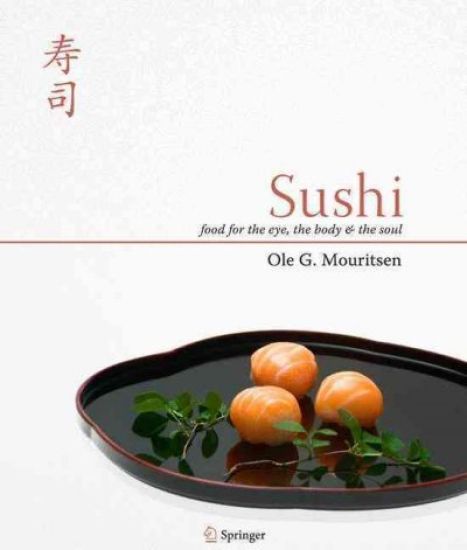
Da 1. udgave af denne bog udkom i 2006 blev den udråbt af anmelderne som den definitive danske sushi-bibel, en bog af varig gastronomisk værdi og den mest facetterede, dybdeborende og vidtfavnende bog, der er skrevet om sushi. Bogen giver i en let tilgængelig form baggrunden for sushi i kulturhistorisk og videnskabeligt lys. Den beskriver råvarerne, og hvordan de skal behandles. Den giver enkle anvisninger på, hvordan de forskellige former for sushi tilberedes, og hvordan de kan kombineres med tilbehør og andre retter. Den forklarer også, hvorfor sushi er sund mad. Bogen er i den forstand den eneste af sit art, også internationalt.