Kirjojen hintavertailu. Mukana 12 657 676 kirjaa ja 12 kauppaa.

Kirjailija

Oleg Benesch

Kirjat ja teokset yhdessä paikassa: 6 kirjaa, julkaisuja vuosilta 2014-2026, suosituimpien joukossa Samurai. Vertaile teosten hintoja ja tarkista saatavuus suomalaisista kirjakaupoista.

6 kirjaa

Kirjojen julkaisuhaarukka 2014-2026.

Samurai

Samurai

Rosina Buckland; Oleg Benesch

BRITISH MUSEUM PRESS
2026
sidottu
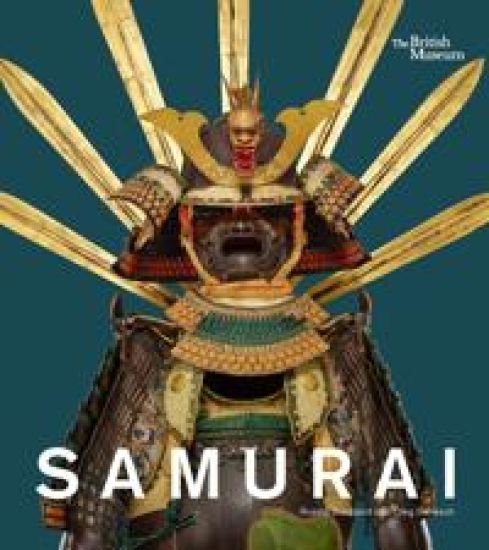
The word ‘samurai’ stands for ideals of courage, honour, self-sacrifice and loyalty. Yet much of the common understanding is imaginative fiction. This book explores the concept from medieval reality, through early modern changes, to today’s hugely varied popular culture, challenging preconceptions and exploding myths. The figure of the samurai is unique in its global intelligibility, read both as a symbol of Japan and as a universal icon of the virtuous and fearless warrior. Published to accompany a major exhibition at the British Museum, this is the first book to explore the centuries-long trajectory of the samurai through objects from international collections. It discusses the historical origins of the samurai warrior class in the civil wars of the medieval period and examines the stories they told of their own achievements. From the early 1600s, with the establishment of peace, the samurai became an official class fulfilling a bureaucratic role. The ideal of the medieval warrior took on legendary status, leading to endless representations in popular culture of past examples of heroic valour. As the highest social class, samurai were consumers of deluxe products and their tastes set the standard for the rest of society. Political tensions intensified during the 1850s, culminating in civil war in 1868 and the abolition of the samurai social class in 1876. With the full opening of Japan to international visitors, the concept of the samurai was packaged for foreign tourists and repurposed to provide a model for the modern soldier in a period of military conflict and colonial expansion. The image of the samurai has been interpreted and reimagined in Japan and across the world in myriad ways. Discussions of national myth and global samurai bring the story up to the present day through a broad selection of films, television shows, manga, anime, video games and much more.
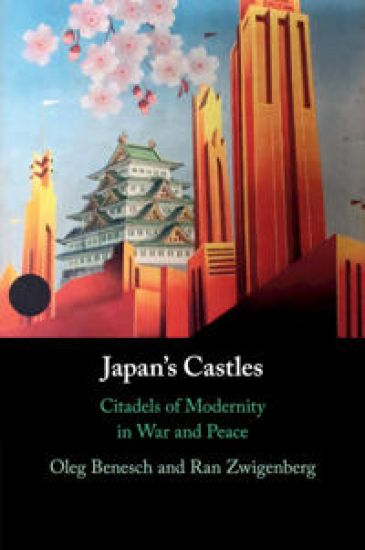
Japan's Castles

Japan's Castles

Oleg Benesch; Ran Zwigenberg

Cambridge University Press
2020
pokkari
An innovative examination of heritage politics in Japan, showing how castles have been used to re-invent and recapture competing versions of the pre-imperial past and project possibilities for Japan's future. Oleg Benesch and Ran Zwigenberg argue that Japan's modern transformations can be traced through its castles. They examine how castle preservation and reconstruction campaigns served as symbolic ways to assert particular views of the past and were crucial in the making of an idealized premodern history. Castles have been used to craft identities, to create and erase memories, and to symbolically join tradition and modernity. Until 1945, they served as physical and symbolic links between the modern military and the nation's premodern martial heritage. After 1945, castles were cleansed of military elements and transformed into public cultural spaces that celebrated both modernity and the pre-imperial past. What were once signs of military power have become symbols of Japan's idealized peaceful past.
Japan's Castles

Japan's Castles

Oleg Benesch; Ran Zwigenberg

Cambridge University Press
2019
sidottu
An innovative examination of heritage politics in Japan, showing how castles have been used to re-invent and recapture competing versions of the pre-imperial past and project possibilities for Japan's future. Oleg Benesch and Ran Zwigenberg argue that Japan's modern transformations can be traced through its castles. They examine how castle preservation and reconstruction campaigns served as symbolic ways to assert particular views of the past and were crucial in the making of an idealized premodern history. Castles have been used to craft identities, to create and erase memories, and to symbolically join tradition and modernity. Until 1945, they served as physical and symbolic links between the modern military and the nation's premodern martial heritage. After 1945, castles were cleansed of military elements and transformed into public cultural spaces that celebrated both modernity and the pre-imperial past. What were once signs of military power have become symbols of Japan's idealized peaceful past.
Inventing the Way of the Samurai

Inventing the Way of the Samurai

Oleg Benesch

Oxford University Press
2016
nidottu
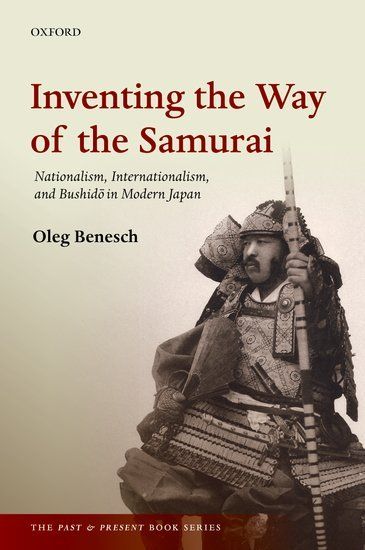
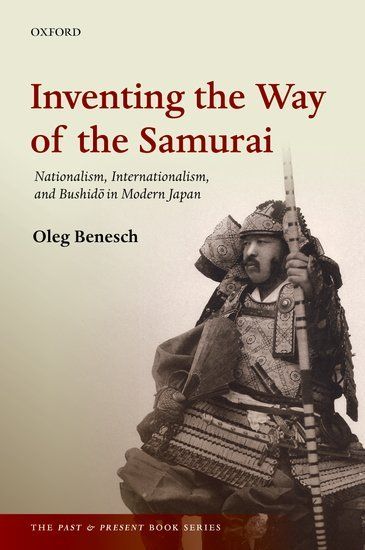
Inventing the Way of the Samurai examines the development of the 'way of the samurai' - bushido - which is popularly viewed as a defining element of the Japanese national character and even the 'soul of Japan'. Rather than a continuation of ancient traditions, however, bushido developed from a search for identity during Japan's modernization in the late nineteenth century. The former samurai class were widely viewed as a relic of a bygone age in the 1880s, and the first significant discussions of bushido at the end of the decade were strongly influenced by contemporary European ideals of gentlemen and chivalry. At the same time, Japanese thinkers increasingly looked to their own traditions in search of sources of national identity, and this process accelerated as national confidence grew with military victories over China and Russia. Inventing the Way of the Samurai considers the people, events, and writings that drove the rapid growth of bushido, which came to emphasize martial virtues and absolute loyalty to the emperor. In the early twentieth century, bushido became a core subject in civilian and military education, and was a key ideological pillar supporting the imperial state until its collapse in 1945. The close identification of bushido with Japanese militarism meant that it was rejected immediately after the war, but different interpretations of bushido were soon revived by both Japanese and foreign commentators seeking to explain Japan's past, present, and future. This volume further explores the factors behind the resurgence of bushido, which has proven resilient through 130 years of dramatic social, political, and cultural change.
Civilizing Emotions

Civilizing Emotions

Margrit Pernau; Helge Jordheim; Orit Bashkin; Christian Bailey; Oleg Benesch; Jan Ifversen; Mana Kia; Rochona Majumdar; Angelika C. Messner; Myoung-kyu Park; Emmanuelle Saada; Mohinder Singh; Einar Wigen

Oxford University Press
2015
sidottu
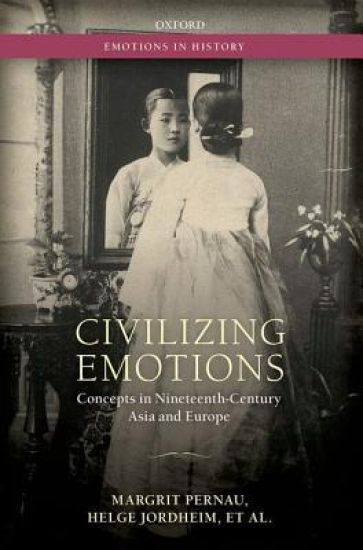
At the beginning of the twenty-first century, the vocabulary of civility and civilization is very much at the forefront of political debate. Most of these debates proceed as if the meaning of these words were self-evident. This is where Civilizing Emotions intervenes, tracing the history of the concepts of civility and civilization and thus adding a level of self-reflexivity to the present debates. Unlike previous histories, Civilizing Emotions takes a global perspective, highlighting the roles of civility and civilization in the creation of a new and hierarchized global order in the era of high imperialism and its entanglements with the developments in a number of well-chosen European and Asian countries. Emotions were at the core of the practices linked to the creation of a new global order in the nineteenth century. Civilizing Emotions explores why and how emotions were an asset in civilizing peoples and societies - their control and management, but also their creation and their ascription to different societies and social groups. The study is a contribution to the history of emotions, to global history, and to the history of concepts, three rapidly developing and innovative research areas which are here being brought together for the first time.
Inventing the Way of the Samurai

Inventing the Way of the Samurai

Oleg Benesch

Oxford University Press
2014
sidottu
Inventing the Way of the Samurai examines the development of the 'way of the samurai' - bushido - which is popularly viewed as a defining element of the Japanese national character and even the 'soul of Japan'. Rather than a continuation of ancient traditions, however, bushido developed from a search for identity during Japan's modernization in the late nineteenth century. The former samurai class were widely viewed as a relic of a bygone age in the 1880s, and the first significant discussions of bushido at the end of the decade were strongly influenced by contemporary European ideals of gentlemen and chivalry. At the same time, Japanese thinkers increasingly looked to their own traditions in search of sources of national identity, and this process accelerated as national confidence grew with military victories over China and Russia. Inventing the Way of the Samurai considers the people, events, and writings that drove the rapid growth of bushido, which came to emphasize martial virtues and absolute loyalty to the emperor. In the early twentieth century, bushido became a core subject in civilian and military education, and was a key ideological pillar supporting the imperial state until its collapse in 1945. The close identification of bushido with Japanese militarism meant that it was rejected immediately after the war, but different interpretations of bushido were soon revived by both Japanese and foreign commentators seeking to explain Japan's past, present, and future. This volume further explores the factors behind the resurgence of bushido, which has proven resilient through 130 years of dramatic social, political, and cultural change.