Kirjojen hintavertailu. Mukana 12 390 323 kirjaa ja 12 kauppaa.

Kirjailija

Olga M. Davidson

Kirjat ja teokset yhdessä paikassa: 2 kirjaa, julkaisuja vuodelta 2013, suosituimpien joukossa Poet and Hero in the Persian Book of Kings. Vertaile teosten hintoja ja tarkista saatavuus suomalaisista kirjakaupoista.

2 kirjaa

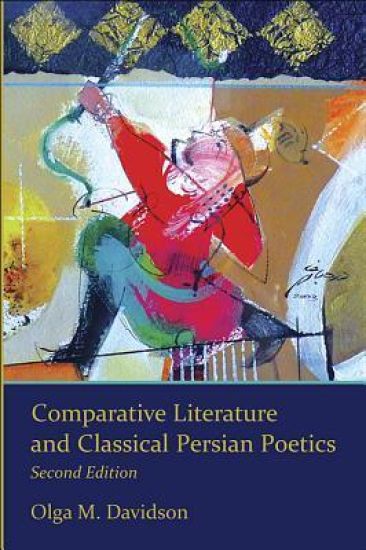
Comparative Literature and Classical Persian Poetics
Comparative Literature and Classical Persian Poetics applies comparative literary approaches to classical Persian traditions of composing and performing poetry and song. Olga M. Davidson focuses on epic, especially the classical epic Shahnama, composed in the early eleventh century CE by the poet Ferdowsi, and on the relationship of this epic to other genres that are found embedded in it. Included among these other genres are forms of verbal art that were originally composed without the aid of writing, such as women’s laments. Davidson explores the many ways in which the epic Shahnama incorporates oral poetic traditions in general. Surveying the current state of the art in oral poetic studies, she concentrates on applications of these studies to classical Persian prose as well as poetry. Of special interest is her critical analysis of both modern and ancient claims about the turning of prose into poetry. This second edition of the book contains an added chapter about “live” performances of the epic Shahnama.
Poet and Hero in the Persian Book of Kings

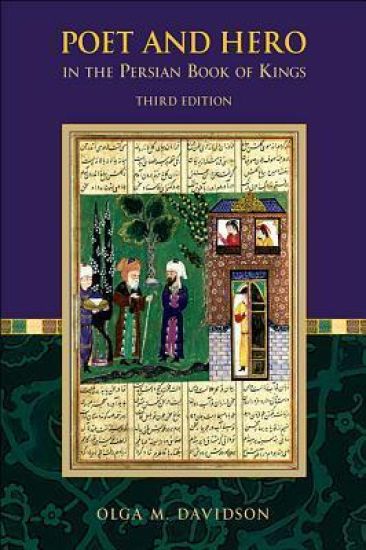
Poet and Hero in the Persian Book of Kings

Olga M. Davidson

Ilex Foundation
2013
nidottu
Poet and Hero in the Persian Book of Kings presents a far-reaching reassessment of the classical Persian epic known as the Shahnama or “Book of Kings,” composed by the poet Ferdowsi in the early eleventh century ce. Combining comparative perspectives with a close reading of the internal evidence provided by the text of this epic, Olga M. Davidson argues that the poet of the Shahnama is actually a character in the epic, coexisting with ancient Iranian heroes and kings whose deeds are celebrated by the poetry. The poet can have the role of a character because his poetry comes to life in performance. Whenever the Shahnama was performed by the poet or by later practitioners of his poetry, the performer could interact with his grand characters by re-engaging with their stories, as if for the first time. After documenting the oral poetic performance traditions underlying the text of the Shahnama in all its variations, Davidson argues that the heroic tradition of this epic is deeply ancient, stemming from Indo-European poetic traditions. A primary example is the great warrior Rostam, who upholds Iranian kingship while at the same time posing a threat to kings who prove unworthy of the crown.