Kirjojen hintavertailu. Mukana 12 558 972 kirjaa ja 12 kauppaa.

Kirjailija

Oliver Leaman

Kirjat ja teokset yhdessä paikassa: 27 kirjaa, julkaisuja vuosilta 1996-2019, suosituimpien joukossa Jewish Thought. Vertaile teosten hintoja ja tarkista saatavuus suomalaisista kirjakaupoista.

27 kirjaa

Kirjojen julkaisuhaarukka 1996-2019.

Eastern Philosophy: Key Readings

Eastern Philosophy: Key Readings

Oliver Leaman

Routledge
2000
sidottu
Through key readings from primary and secondary sources this book communicates at first hand the principal features of a remarkable range of Eastern thought - from Buddhism, Confucianism, and Hinduism to Islam, Shinto, and Zoroastrianism. Passages from key texts guide the reader through over ninety major terms, from abhidharma to Zen. Material is drawn not only from such cornerstone texts as the Bhagavad-gita and the Lao-tzu, but also from modern writings on Eastern philosophy and religion.

Key Concepts in Eastern Philosophy

Key Concepts in Eastern Philosophy

Oliver Leaman

Routledge
1999
sidottu
Key Concepts in Eastern Philosophy provides an extensive glossary of the main terms and concepts used in Eastern philosophy. The book includes definitions of philosophical ideas linked to the national traditions of:* Persia* India* Islamic world* China* Japan* Tibetincluding concepts from:* Zoroastrianism* Hinduism* Sufism* Islam * Confucianism* Shintoism* Taoism* BuddhismEach entry includes a guide for further reading and critical analysis, and is cross-referenced with associated concepts and is in easy-to-use A-Z format.
Key Concepts in Eastern Philosophy

Key Concepts in Eastern Philosophy

Oliver Leaman

Routledge
1999
nidottu
Key Concepts in Eastern Philosophy provides an extensive glossary of the main terms and concepts used in Eastern philosophy. The book includes definitions of philosophical ideas linked to the national traditions of:* Persia* India* Islamic world* China* Japan* Tibetincluding concepts from:* Zoroastrianism* Hinduism* Sufism* Islam * Confucianism* Shintoism* Taoism* BuddhismEach entry includes a guide for further reading and critical analysis, and is cross-referenced with associated concepts and is in easy-to-use A-Z format.
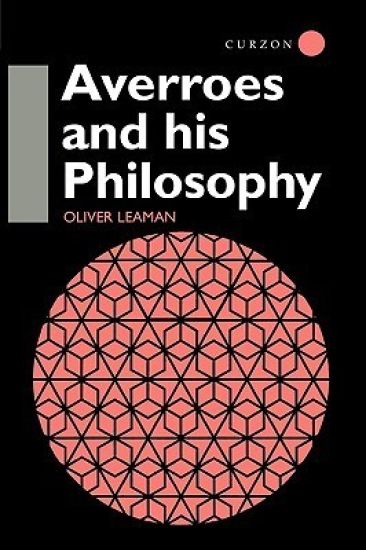
Averroes and His Philosophy

Averroes and His Philosophy

Oliver Leaman

RoutledgeCurzon
1997
nidottu
Despite his important stature in the history of philosophy, Averroes is a thinker whose work has been left largely unexplored in this century. It is the aim of this book to rectify this omission, and to argue that his philosophical output is of considerable philosophical as well as historical significance.
Moses Maimonides

Moses Maimonides

Oliver Leaman

RoutledgeCurzon
1997
nidottu
Moses Maimonides (1135--1204) is recognized both as a leading Jewish thinker and as one of the most radical philosophers of the Islamic world. The study reveals the significance of Maimonides to contemporary philosophical and theological problems.
Evil and Suffering in Jewish Philosophy

Evil and Suffering in Jewish Philosophy

Oliver Leaman

Cambridge University Press
1997
pokkari
The problems of evil and suffering have been extensively discussed in Jewish philosophy, and much of the discussion has centred on the Book of Job. In this study Oliver Leaman poses two questions: how can a powerful and caring deity allow terrible things to happen to obviously innocent people, and why have the Jewish people been so harshly treated throughout history, given their status as the chosen people? He explores these issues through an analysis of the views of Philo, Saadya, Maimonides, Gersonides, Spinoza, Mendelssohn, Hermann Cohen, Buber, Rosenzweig, and post-Holocaust thinkers, and suggests that a discussion of evil and suffering is really a discussion about our relationship with God.
Friendship East and West

Friendship East and West

Oliver Leaman

RoutledgeCurzon
1996
sidottu
There has been renewed interest in the concept of friendship in contemporary philosophy. Many of the existing treatments of the topic have been limited to Western notions of friendship, yet there is a far wider perspective available to us through an examination of a more extended cultural examination of the topic. Cultures other than those in Christian Europe have had important and interesting observations to make on the nature of friendship, and in this collection there is treatment not only of Greek and Christian ideas of friendship, but also of Islamic, Jewish, Chinese, Japanese and Indian perspectives. A rich and extended view of the concept of friendship results from these various examinations.