Kirjojen hintavertailu. Mukana 12 595 353 kirjaa ja 12 kauppaa.

Kirjailija

Oliver Scharbrodt

Kirjat ja teokset yhdessä paikassa: 6 kirjaa, julkaisuja vuosilta 2008-2026, suosituimpien joukossa Muslims in Ireland. Vertaile teosten hintoja ja tarkista saatavuus suomalaisista kirjakaupoista.

6 kirjaa

Kirjojen julkaisuhaarukka 2008-2026.

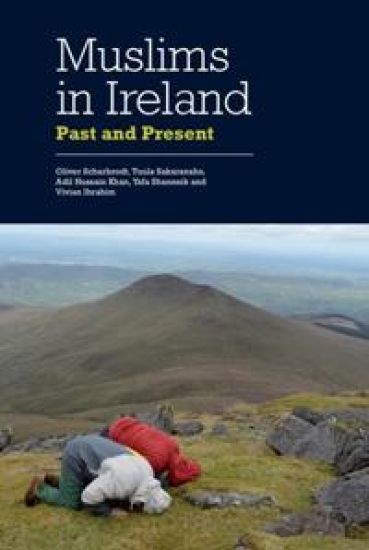
Muslims in Ireland

Muslims in Ireland

Oliver Scharbrodt; Tuula Sakaranaho; Adil Hussain Khan; Yafa Shanneik; Vivian Ibrahim

EDINBURGH UNIVERSITY PRESS
2026
nidottu
Since 9/11, the interest in Muslims in Europe has increased significantly. There has been much public debate and academic research focused on Muslims living in larger Western European countries like Britain, France or Germany, but little is known of Muslims in Ireland. This book fills this gap, providing a complete study of this unexplored Muslim presence, from the arrival of the first Muslim resident in Cork, in the southwest of Ireland, in 1784 until mass immigration to the Republic of Ireland during the ‘Celtic Tiger’ period from the mid-1990s onwards. Muslim immigration and settlement in Ireland is very recent, and poses new challenges to a society that has perceived itself as religiously and culturally homogeneous. Ireland is also one of the least secular societies in Europe, providing a different context for Muslims seeking recognition by state and society. This book is essential for anyone who wants to understand the diversity of Muslim presences across Europe.
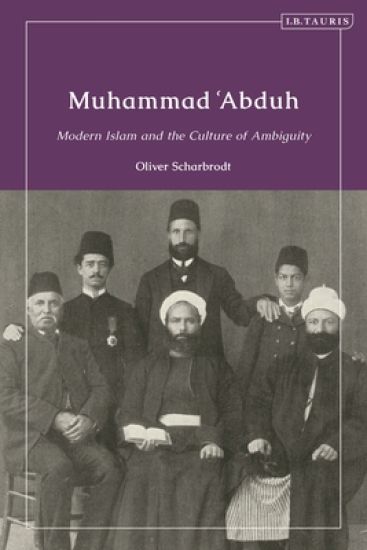
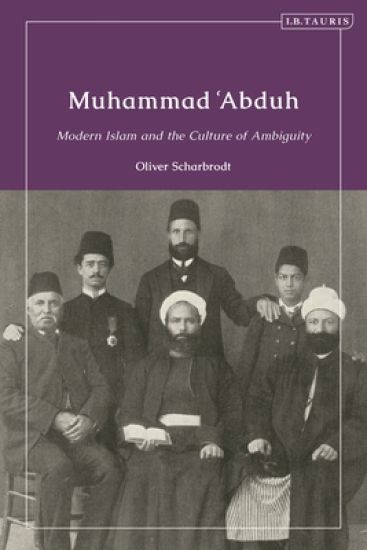
Muhammad ‘Abduh

Muhammad ‘Abduh

Oliver Scharbrodt

BLOOMSBURY PUBLISHING PLC
2024
nidottu
How to approach the complex intellectual legacy of a modern Muslim thinker like Muhammad ‘Abduh (1849-1905)? This book offers an answer to this question by providing a new complete intellectual biography of him. It delineates ‘Abduh’s formation as a reformer and activist and embeds his varied intellectual contributions in a culture of ambiguity which has marked the intellectual life of Muslim societies throughout their history.By using new sources – in particular his early mystical, philosophical and political writings – and including recent academic contributions on him, the book explores ‘Abduh’s complex intellectual formation, the various religious, philosophical and cultural influences that shaped him, and his changing attitudes towards “Western modernity” and its colonial manifestation in the 19th century. Oliver Scharbrodt challenges the perception in academic scholarship - and among Muslim reformers of the 20th century - that searched for intellectual coherence and biographical consistency in ‘Abduh’s life. Instead, this book offers a new more comprehensive reading of his intellectual legacy and highlights the variety of approaches and ideas manifest in his contributions.
Muhammad ‘Abduh

Muhammad ‘Abduh

Oliver Scharbrodt

BLOOMSBURY PUBLISHING PLC
2022
sidottu
How to approach the complex intellectual legacy of a modern Muslim thinker like Muhammad ‘Abduh (1849-1905)? This book offers an answer to this question by providing a new complete intellectual biography of him. It delineates ‘Abduh’s formation as a reformer and activist and embeds his varied intellectual contributions in a culture of ambiguity which has marked the intellectual life of Muslim societies throughout their history.By using new sources – in particular his early mystical, philosophical and political writings – and including recent academic contributions on him, the book explores ‘Abduh’s complex intellectual formation, the various religious, philosophical and cultural influences that shaped him, and his changing attitudes towards “Western modernity” and its colonial manifestation in the 19th century. Oliver Scharbrodt challenges the perception in academic scholarship - and among Muslim reformers of the 20th century - that searched for intellectual coherence and biographical consistency in ‘Abduh’s life. Instead, this book offers a new more comprehensive reading of his intellectual legacy and highlights the variety of approaches and ideas manifest in his contributions.
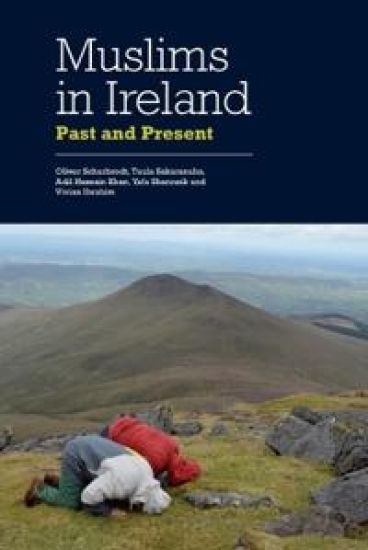
Muslims in Ireland

Muslims in Ireland

Oliver Scharbrodt; Tuula Sakaranaho; Adil Hussain Khan; Yafa Shanneik; Vivian Ibrahim

Edinburgh University Press
2015
sidottu
The first complete study of a little known Muslim presence in Europe. Since 9/11, the interest in Muslims in Europe has increased significantly. There has been much public debate and academic research focused on Muslims living in larger Western European countries like Britain, France or Germany, but little is known of Muslims in Ireland. This book fills the gap, providing a complete study of this unexplored Muslim presence, from the arrival of the first Muslim resident in Cork, in the southwest of Ireland, in 1784 until mass immigration to the Republic of Ireland during the 'Celtic Tiger' period from the mid 1990s onwards. Muslim immigration and settlement in Ireland is very recent, and poses new challenges to a society that has perceived itself as religiously and culturally homogeneous. Ireland is also one of the least secular societies in Europe, providing a different context for Muslims seeking recognition by state and society. This book is essential for anyone who wants to understand the diversity of Muslim presences across Europe. It makes an important and original contribution to understanding the diversity of Muslim presences in different national contexts across Europe; combines historical, sociological and ethnographic research methods to provide a rich and multi faceted study of the Muslim presence in Ireland in its historical and contemporary dimensions; provides insights into the dynamics of interaction between Muslims and state and society in one of the least secular societies in Europe and illustrates the central role European networks of the Muslim Brotherhood have played in organising and representing Muslim communities in Europe, with Ireland being a prime example.
Islam and the Baha'i Faith

Islam and the Baha'i Faith

Oliver Scharbrodt

Routledge
2011
nidottu
Muhammad ‘Abduh (1849-1905) was one of the key thinkers and reformers of modern Islam who has influenced both liberal and fundamentalist Muslims today. ‘Abdul-Baha (1844-1921) was the son of Baha’ullah (1817-1892), the founder of the Baha’i Faith; a new religion which began as a messianic movement in Shii Islam, before it departed from Islam. Oliver Scharbrodt offers an innovative and radically new perspective on the lives of these two major religious reformers in 19th century Middle East by placing both figures into unfamiliar terrain. While one would classify ‘Abdul-Baha, leader of a messianic movement which claims to depart from Islam, as an exponent of heresy in Islam, ‘Abduh is perceived as an orthodox Sunni reformer. This book, however, argues against the assumption that both represent two extremely opposite expressions of Islamic religiosity. It shows that both were influenced by similar intellectual and religious traditions of Islam and that both participated in the same discussions on the reform of Islam in the 19th century. Islam and the Baha'i Faith provides new insights into the Islamic background of the Baha’i Faith and into ‘Abduh’s own association with so-called heretical movements in Islam.
Islam and the Baha'i Faith

Islam and the Baha'i Faith

Oliver Scharbrodt

Routledge
2008
sidottu
Muhammad ‘Abduh (1849-1905) was one of the key thinkers and reformers of modern Islam who has influenced both liberal and fundamentalist Muslims today. ‘Abdul-Baha (1844-1921) was the son of Baha’ullah (1817-1892), the founder of the Baha’i Faith; a new religion which began as a messianic movement in Shii Islam, before it departed from Islam. Oliver Scharbrodt offers an innovative and radically new perspective on the lives of these two major religious reformers in 19th century Middle East by placing both figures into unfamiliar terrain. While one would classify ‘Abdul-Baha, leader of a messianic movement which claims to depart from Islam, as an exponent of heresy in Islam, ‘Abduh is perceived as an orthodox Sunni reformer. This book, however, argues against the assumption that both represent two extremely opposite expressions of Islamic religiosity. It shows that both were influenced by similar intellectual and religious traditions of Islam and that both participated in the same discussions on the reform of Islam in the 19th century. Islam and the Baha'i Faith provides new insights into the Islamic background of the Baha’i Faith and into ‘Abduh’s own association with so-called heretical movements in Islam.