Kirjojen hintavertailu. Mukana 12 390 323 kirjaa ja 12 kauppaa.
Kirjailija
Orvar Löfgren
Kirjat ja teokset yhdessä paikassa: 23 kirjaa, julkaisuja vuosilta 1987-2022, suosituimpien joukossa Regionauterna : Öresundsregionen från vision till vardag. Vertaile teosten hintoja ja tarkista saatavuus suomalaisista kirjakaupoista.
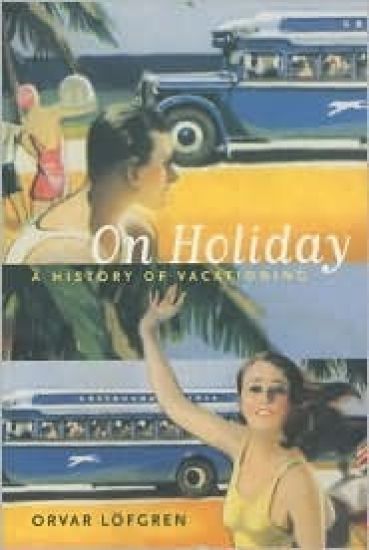
Lofgren takes us on a tour of the Western holiday world and shows how two centuries of 'learning to be a tourist' have shaped our own ways of vacationing. We see how fashions in destinations have changed through the years, with popular images (written, drawn, painted, and later photographed) teaching the tourist what to look for and how to experience it. Travelers present and future will never see their cruises, treks, ecotours, round-the-world journeys, or trips to the vacation cottage or condo in quite the same way again. All our land-, sea-, and mindscapes will be the richer for Lofgren's insights.
Vi lever i en värld där det nationella verkar upplösas i globala kulturströmningar samtidigt som det dramatiseras i våldsamma konflikter. Vad är det som ger nationella känslor en sådan kraft och mångtydighet i växlingen mellan hemlängtan och främlingsrädsla, mellan kärlek och hat? Försvenskningen av Sverige handlar om hur det nationella ständigt skiftar form och innehåll mellan olika epoker och sociala miljöer. Författarna visar hur den nationella identiteten förankras i vardagens rutiner, i kroppens rörelsemönster likaväl som i massmedias sportreferat och i längtan till naturen. De visar också hur vår tids invandring skapat både kulturell mångfald och ökad nationell medvetenhet. Billy Ehn, Jonas Frykman och Orvar Löfgren är professorer i etnologi vid universiteten i respektive Umeå, Bergen och Lund.
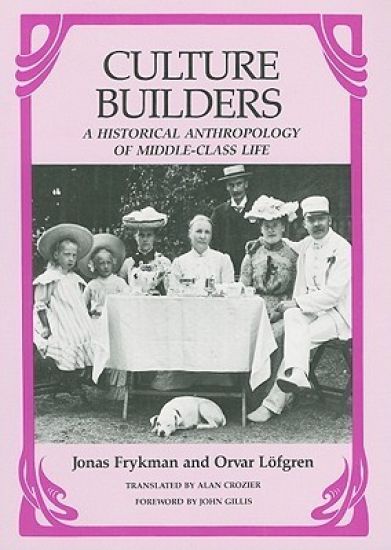
The culture of the bourgeoisie gradually came to dominate European society during the nineteenth century. Jonas Frykman and Orvar Löfgren examine how this new style of life developed and how it spread. They focus on Swedish society from 1880 to 1910, conceptualizing events and behavior in a way that applies to western culture in general during that era, and illustrate their yhemeswith contemporary photographs. Through their interpretation, we are reminded that middle-class culture is only one alternative among many, and not always the best. Culture Builders deals primarily with the ways in which ideas about the good and proper life are anchored in the trivialities and routines of everyday life: in the sharing of a meal, in holiday-making, and in the upbringing of children. The authors describe how the attitudes of the bourgeoisie toward. Time and time-keeping set them apart from the peasantry. Uses and perceptions of naturals increasingly divided the classes. For peasants, nature consisted of natural resources to be used. Fr the bourgeoisie, nature had only non-productive connotations. Another change was the growing importance of home over the community. Life became a romantic ideal, not an economic necessity. For the first time, parents became self-conscious about how to raise their children. Frykman and Lögnen also show how the middle-class developed new perceptions of dirt, pollution, orderliness, health, sexuality, and bodily functions, and how they disdained the filth of peasant households. By stressing refinement, rationality, morality, and discipline, the middle classes were able to differentiate themselves not only from the peasants, but also from the degenerate aristocracy and the disordered and uncontolled emerging working class. The bourgeoisie viewed their own form of culture as the highest on the evolutionary ladder, and turned it into a national culture against which all other groups would be measured.