
Kirjojen hintavertailu. Mukana 12 390 323 kirjaa ja 12 kauppaa.

Kirjailija

Oz Almog

Kirjat ja teokset yhdessä paikassa: 3 kirjaa, julkaisuja vuosilta 2000-2019, suosituimpien joukossa Generation Y. Vertaile teosten hintoja ja tarkista saatavuus suomalaisista kirjakaupoista.

3 kirjaa

Kirjojen julkaisuhaarukka 2000-2019.

Generation Y

Generation Y

Tamar Almog; Oz Almog

Vallentine Mitchell Co Ltd
2019
nidottu
Generation Y (Millennials), born in the 1980s and 1990s, came of age during a period of unprecedented accelerated economic growth. These young secular women and men were shaped by a society that was fast becoming more self-critical and cynical, conflictual, entrepreneurial, consumer and media-oriented, individualistic and globalized. This is a generation characterized by its pervasive permissiveness, sociability, sense of humour, openness and easygoing outlook on life. They live in 'urban tribes' and are slow to assume responsibility. They are the self-centred children of the digital age, raised as princes and princesses, shielded by their teachers and parents' words of praise and affirmation. They were promised they would be able to realize their dreams if only they so desired. They are in no rush to spread their wings because they see the world around them as increasingly exploitative and unstable and also they wish to have room for flexibility. They flock to purchase degrees whose job-market value and intellectual worth are declining. Their lives are replete with trauma growing up in the shadow of missiles and terror attacks and because the media exposes them to daily disasters and tragedies around the world. They are anxiety-ridden and confused. They have difficulty coping with stress and they are slaves to the infinite information and constant stimuli that flows from all directions. Generation Y is different to previous generations in almost every way: work, study, media consumption, leisure and entertainment habits, raising their children and more. What is the cultural DNA of today's youth? Why did this generation emerge and how is it influencing the West? Based on extensive research this book provides answers to these key questions. Although it concentrates on Israeli society, most of the generational traits and their sociological interpretations are applicable all over the western world.

Generation Y

Generation Y

Tamar Almog; Oz Almog

Vallentine Mitchell Co Ltd
2019
sidottu
Generation Y (Millennials), born in the 1980s and 1990s, came of age during a period of unprecedented accelerated economic growth. These young secular women and men were shaped by a society that was fast becoming more self-critical and cynical, conflictual, entrepreneurial, consumer and media-oriented, individualistic and globalized. This is a generation characterized by its pervasive permissiveness, sociability, sense of humour, openness and easygoing outlook on life. They live in 'urban tribes' and are slow to assume responsibility. They are the self-centred children of the digital age, raised as princes and princesses, shielded by their teachers and parents' words of praise and affirmation. They were promised they would be able to realize their dreams if only they so desired. They are in no rush to spread their wings because they see the world around them as increasingly exploitative and unstable and also they wish to have room for flexibility. They flock to purchase degrees whose job-market value and intellectual worth are declining. Their lives are replete with trauma growing up in the shadow of missiles and terror attacks and because the media exposes them to daily disasters and tragedies around the world. They are anxiety-ridden and confused. They have difficulty coping with stress and they are slaves to the infinite information and constant stimuli that flows from all directions. Generation Y is different to previous generations in almost every way: work, study, media consumption, leisure and entertainment habits, raising their children and more. What is the cultural DNA of today's youth? Why did this generation emerge and how is it influencing the West? Based on extensive research this book provides answers to these key questions. Although it concentrates on Israeli society, most of the generational traits and their sociological interpretations are applicable all over the western world.
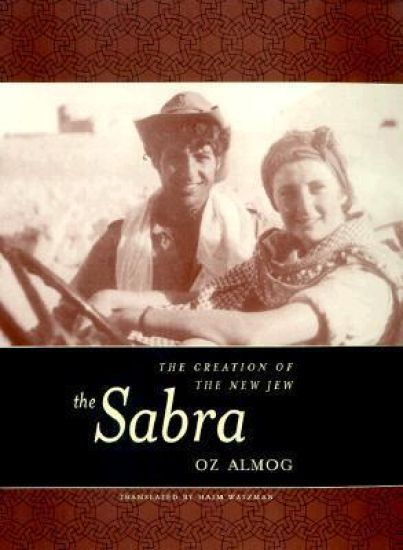
The Sabra

The Sabra

Oz Almog

University of California Press
2000
sidottu
The Sabras were the first Israelis - the first generation, born in the 1930s and 1940s, to grow up in the Zionist settlement in Palestine. Socialized and educated in the ethos of the Zionist labor movement and the communal ideals of the kibbutz and moshav, they turned the dream of their pioneer forebears into the reality of the new State of Israel. While the Sabras made up a small minority of the new society's population, their cultural influence was enormous. Their ideals, their love of the land, their recreational culture of bonfires and singalongs, their adoption of Arab accessories, their slang and gruff, straightforward manner, together with a reserved, almost puritanical attitude toward individual relationships, came to signify the cultural fulfillment of the utopian ideal of a new Jew. Oz Almog's lively, methodical, and convincing portrayal of the Sabras addresses their lives, thought, and role in Jewish history. The most comprehensive study of this exceptional generation to date, "The Sabra" provides a complex and unflinching analysis of accepted norms and an impressive appraisal of the Sabra, one that any examination of new Israeli reality must take into consideration. The Sabras became Palmach commanders, soldiers in the British Brigade, and, later, officers in the Israel Defense Forces. They served as a source of inspiration and an object of emulation for an entire society. Almog's source material is rich and varied: he uses poems, letters, youth movement and army newsletters, and much more to portray the Sabras' attitudes toward the Arabs, war, nature, work, agriculture, cooperation, and education. In any event, the Sabra remained central to the founding myth of the nation, the real Israeli, against whom later generations will be judged. Almog's pioneering book juxtaposes the myths against the realities and, in the process, limns a collective profile that brilliantly encompasses the complex forces that shaped this remarkable generation.