Kirjojen hintavertailu. Mukana 12 390 323 kirjaa ja 12 kauppaa.

Kirjailija

P A L Vine

Kirjat ja teokset yhdessä paikassa: 8 kirjaa, julkaisuja vuosilta 1983-2008, suosituimpien joukossa London's Lost Route to Portsmouth. Vertaile teosten hintoja ja tarkista saatavuus suomalaisista kirjakaupoista.

Mukana myös kirjoitusasut: P. A. L. Vine

8 kirjaa

Kirjojen julkaisuhaarukka 1983-2008.

London's Lost Route to Portsmouth

London's Lost Route to Portsmouth

P A L Vine

Phillimore Co Ltd
2008
sidottu
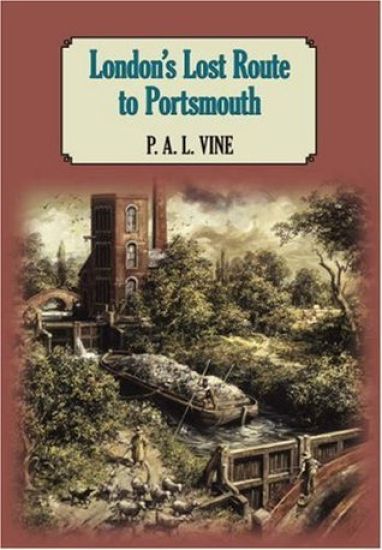
The Portsmouth and Arundel Canal was an extraordinary speculation and an ignominious failure. Planned to complete the inland navigation between London and Portsmouth Harbour, the waterway was part barge canal, part ship canal and part open water when it opened in 1823. The navigation company suffered from poor management and lack of financial control. Contractors’ accounts were left unpaid, resulting in their refusal to carry out repairs. From the Thames to Portsmouth was 115 miles and involved the passage of 52 locks. Only when there was sufficient water available could the voyage be made in less than five days. London merchants, frustrated by the need to pay tolls to six different Navigations, continued to prefer the coastal route. Nevertheless, between 1824 and 1838 barges carried many tons of bullion from Portsmouth to the Bank of England.The Chichester Ship Canal alone proved successful, and although it closed in the early 20th century, there are plans to re-open that section to Chichester Harbour for pleasure craft. This new book will receive a warm welcome from canal and waterway students everywhere and from local historians in Sussex and Hampshire.
The Arun Navigation

The Arun Navigation

P A L Vine

The History Press Ltd
2007
nidottu
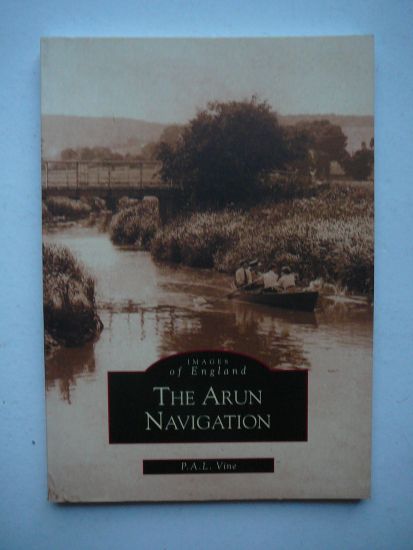
The river Arun rises near Horsham and flows 37 miles to the English Channel at Littlehampton. For many centuries the waterways assumed an important role as one of the main arteries of commerce in Sussex. In use since the time of the Norman Conquest, its navigation was improved by successive landowners during the sixteenth and seventeenth centuries. After the development of Littlehampton Harbour, an Act of Parliament in 1785 enabled the river to be improved to Pallingham, for a canal to be built up to Newbridge and for another canal to cut off the wide sweep of the river by Pulborough. In this last section is to be found the only tunnel to be built in Great Britain which links two parts of a river navigation. Eventually the opening of the Wey & Arun Junction Canal in 1816 allowed barges from the Arun to reach the Thames and the national waterways network, After this link was broken thirty-five years later, the river Arun continued to be used for local traffic until the 1920s. Nowadays tidal waters are confined to pleasure boating. This updated and revised edition covers changes to the navigation over recent years, includes a selection of new illustrations and form a sequel to 'The Wey & Arun Junction Canal'. The Arun Navigation is certain to appeal to those with an interest in waterways, the Sussex countryside and Britain's industrial heritage.
The Wey and Arun Junction Canal

The Wey and Arun Junction Canal

P A L Vine

The History Press Ltd
2007
nidottu
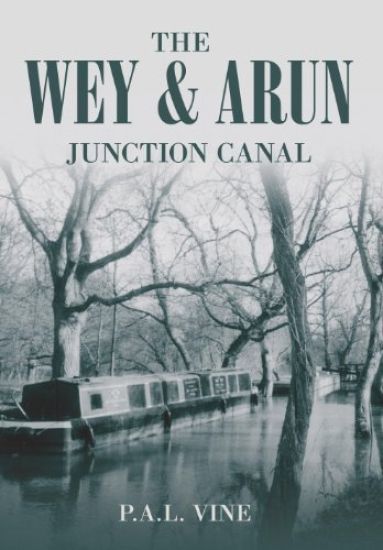
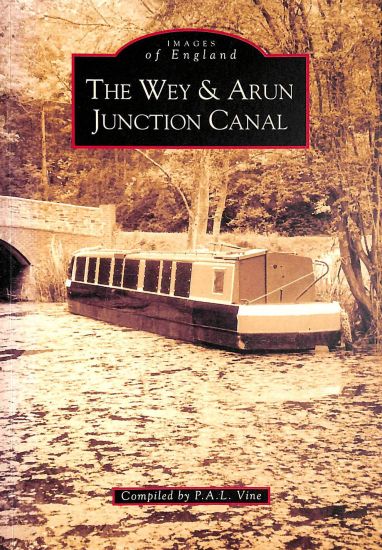
Largely as a result of substantial investment by the 3rd Earl of Egremont, a keen patron of the arts and perhaps the richest man in Britain at the time, the Wey & Arun Junction Canal opened in 1816. To contemporary commentators, it seemed set for success as part of a new navigable route from London to Portsmouth and the Sussex coast. Sadly, though the countryside remained ‘beautiful and picturesque’, the canal, after fifty-five years of modest trading, fell victim to competition from railways and problems with its own water supply. The order for closure came in 1871, and for the best part of a century the Wey & Arun lay abandoned. The derelict state of the canal as it lingered forgotten and crumbling, as well as the attempts being made since 1970 to reinstate it, are vividly evoked here by illustrations from the author’s collection and those of the Wey & Arun Canal Trust.
London's Lost Route to Portsmouth

London's Lost Route to Portsmouth

P A L Vine

Phillimore Co Ltd
2007
nidottu
The Portsmouth & Arundel canal was an extraordinary speculation and an ignominious failure. Planned to complete the inland navigation between London and Portsmouth Harbour, the construction of the waterway was strongly supported by William Huskisson, M.P., and the 3rd Earl of Egremont. Built to safeguard coastal shipping from French privateers and the hazards of the Foreland passage, the outcome of Waterloo and the development of steam vessels transformed its prospects. When it opened, in 1823, it was part barge canal, part ship canal and part open water over which barges had to rely on a primitive steam tug and a favourable tide.The navigation company suffered from poor management and lack of financial control. The contractors' accounts were queried and left unpaid, resulting in their refusal to carry out repairs. The Portsea Ship Canal had to be abandoned almost as soon as it opened, because it leaked, and there was no money to put it right. From the Thames to Portsmouth was 115 miles and involved the passage of 52 locks. Only when there was sufficient water available and there were neither floods nor ice could the voyage be made in less than five days. But the London merchants, frustrated by the need to pay tolls to six different Navigations, continued to prefer the coastal route. Nevertheless, between 1824 and 1838 barges, escorted by Redcoats, carried many tons of bullion from Portsmouth to the Bank of England. Only the Chichester Ship Canal proved successful, but it had to be closed in the early 20th century.Today, plans are in hand for that section to be re-opened to Chichester Harbour for pleasure craft, whilst the Sussex Industrial Archaeology Society are making strenuous efforts to uncover the remains of the barge canal.