
Kirjojen hintavertailu. Mukana 12 595 353 kirjaa ja 12 kauppaa.

Kirjailija

P. Jeffree

Kirjat ja teokset yhdessä paikassa: 5 kirjaa, julkaisuja vuosilta 1990-1991, suosituimpien joukossa Practice Management Compendium. Vertaile teosten hintoja ja tarkista saatavuus suomalaisista kirjakaupoista.

5 kirjaa

Kirjojen julkaisuhaarukka 1990-1991.

Practice Management Compendium

Practice Management Compendium

John Fry; K. Scott; P. Jeffree

Springer
1991
nidottu
General Practice is undergoing the most major series of changes since the introduction of the National Health Service in 1948. They concern both concepts of care and practical details of the way care is delivered. In spite of the hostility generated by the changes most of the broad general concepts have been accepted. The principle of patients having more choice is widely sup­ ported, the inclusion of preventive medicine and antici­ patory care in the responsibilities of practice has few opponents, the introduction of audit as a way of im­ proving performance has been generally welcomed. Even the idea of putting GPs in better financial management of patients and drug budgets has had supporters in prin­ ciple. The antipathy has generally related to the method of introduction of these changes. One important con­ cern has been the time requirements of the New Con­ tract and the feeling that these will erode the real nature of our work: the close personal relationship with pa­ tients. If we improve the quality of our management this is less likely to happen. We shall be able to work within the New Contract and retain the quality of service we pro­ vide. If we improve the understanding of our staff of what we are trying to achieve we are more likely to reach the targets that we set whilst keeping people happy. vii This book sets out to explain the New Contract.

Practice Management Compendium

Practice Management Compendium

John Fry; K. Scott; P. Jeffree

Springer
1991
nidottu
General Practice is undergoing the most major series of changes since the introduction of the National Health Service in 1948. They concern both concepts of care and practical details of the way care is delivered. In spite of the hostility generated by the changes most of the broad general concepts have been accepted. The principle of patients having more choice is widely supported, the inclusion of preventive medicine and anticipatory care in the responsibilities of practice has few opponents, the introduction of audit as a way of improving performance has been generally welcomed. Even the idea of putting GPs in better financial management of patients and drug budgets has had supporters in principle. The antipathy has generally related to the method of introduction of these changes. One important concern has been the time requirements of the New Contract and the feeling that these will erode the real nature of our work: the close personal relationship with patients. If we improve the quality of our management this is less likely to happen. We shall be able to work within the New Contract and retain the quality of service we pro­ vide. If we improve the understanding of our staff of what we are trying to achieve we are more likely to reach the targets that we set whilst keeping people happy. vii This book sets out to explain the New Contract.

Practice Management Compendium

Practice Management Compendium

John Fry; K. Scott; P. Jeffree

Springer
1990
nidottu
General Practice is undergoing the most major series of changes since the introduction of the National Health Service in 1948. They concern both concepts of care and practical details of the way care is delivered. In spite of the hostility generated by the changes most of the broad general concepts have been accepted. The principle of patients having more choice is widely sup­ ported, the inclusion of preventive medicine and antici­ patory care in the responsibilities of practice has few opponents, the introduction of audit as a way of im­ proving performance has been generally welcomed. Even the idea of putting GPs in better financial management of patients and drug budgets has had supporters in prin­ ciple. The antipathy has generally related to the method of introduction of these changes. One important con­ cern has been the time requirements of the New Con­ tract and the feeling that these will erode the real nature of our work: the close personal relationship with pa­ tients. If we improve the quality of our management this is less likely to happen. We shall be able to work within the New Contract and retain the quality of service we pro­ vide. If we improve the understanding of our staff of what we are trying to achieve we are more likely to reach the targets that we set whilst keeping people happy. vii This book sets out to explain the New Contract.
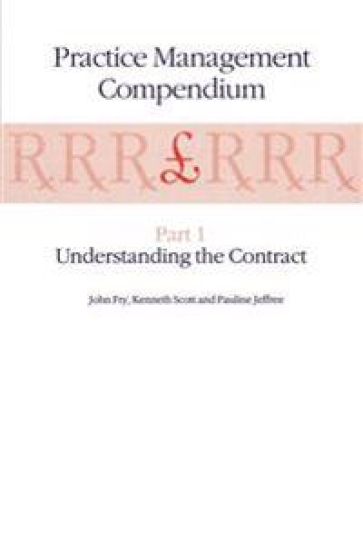
Practice Management Compendium

Practice Management Compendium

John Fry; K. Scott; P. Jeffree

Springer
1990
nidottu
General Practice is undergoing the most major series of changes since the introduction of the National Health Service in 1948. They concern both concepts of care and practical details of the way care is delivered. In spite of the hostility generated by the changes most of the broad general concepts have been accepted. The principle of patients having more choice is widely sup­ ported, the inclusion of preventive medicine and antici­ patory care in the responsibilities of practice has few opponents, the introduction of audit as a way of im­ proving performance has been generally welcomed. Even the idea of putting GPs in better financial management of patients and drug budgets has had supporters in prin­ ciple. The antipathy has generally related to the method of introduction of these changes. One important con­ cern has been the time requirements of the New Con­ tract and the feeling that these will erode the real nature of our work: the close personal relationship with pa­ tients. If we improve the quality of our management this is less likely to happen. We shall be able to work within the New Contract and retain the quality of service we pro­ vide. If we improve the understanding of our staff of what we are trying to achieve we are more likely to reach the targets that we set whilst keeping people happy. vii This book sets out to explain the New Contract.