Kirjojen hintavertailu. Mukana 12 595 353 kirjaa ja 12 kauppaa.

Kirjailija

P McDevitt

Kirjat ja teokset yhdessä paikassa: 4 kirjaa, julkaisuja vuosilta 2004-2020, suosituimpien joukossa Anchoring Cultural Change and Organizational Change. Vertaile teosten hintoja ja tarkista saatavuus suomalaisista kirjakaupoista.

Mukana myös kirjoitusasut: P. McDevitt

4 kirjaa

Kirjojen julkaisuhaarukka 2004-2020.

Anchoring Cultural Change and Organizational Change

Anchoring Cultural Change and Organizational Change

P McDevitt

Information Age Publishing
2020
nidottu
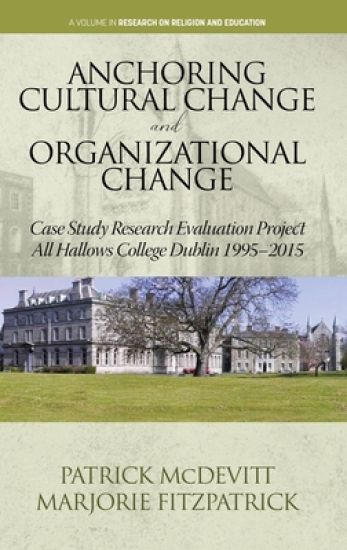
This book describes the organizational processes and changes coupled with leadership changes over three distinct eras from 1995-2015. It illustrates the challenges the college faced, and the actions taken to resolve issues and make changes. The successes, and the barriers encountered as the organization worked toward solutions to the many interrelated and confounding social and financial issues with which the college was facing, are also described.In the book, John Kotter’s Steps of Organizational change and culture is the theoretical context in the analysis of data. Kotter stresses the point that in Organizational change the “Culture” must be anchored in order for change to take place successfully. Kotter understands “Culture” as the Organization’s Identity and the Organization’s attitude for “Change”. The concept of “Culture” also includes how “Identity” and “Change” interrelate to one another. Unfortunately, this “anchoring of culture” does not often happen in many organizations which leads to failure and the dying of Organizations. In general, Kotter’s theory is typically used in for-profit organizations, whereas the All Hallows’ study applies Kotter’s theory to a faith-based and non-profit organization. Although All Hallows enjoyed 172 years of educational contributions, the book will illustrate how legacy challenges, sense of complacency, lack of vision and mission identity at critical times of change failed to inculcate and anchor an Organizational Culture and Identity for Change.
Anchoring Cultural Change and Organizational Change

Anchoring Cultural Change and Organizational Change

P McDevitt

Information Age Publishing
2020
sidottu
This book describes the organizational processes and changes coupled with leadership changes over three distinct eras from 1995-2015. It illustrates the challenges the college faced, and the actions taken to resolve issues and make changes. The successes, and the barriers encountered as the organization worked toward solutions to the many interrelated and confounding social and financial issues with which the college was facing, are also described.In the book, John Kotter’s Steps of Organizational change and culture is the theoretical context in the analysis of data. Kotter stresses the point that in Organizational change the “Culture” must be anchored in order for change to take place successfully. Kotter understands “Culture” as the Organization’s Identity and the Organization’s attitude for “Change”. The concept of “Culture” also includes how “Identity” and “Change” interrelate to one another. Unfortunately, this “anchoring of culture” does not often happen in many organizations which leads to failure and the dying of Organizations. In general, Kotter’s theory is typically used in for-profit organizations, whereas the All Hallows’ study applies Kotter’s theory to a faith-based and non-profit organization. Although All Hallows enjoyed 172 years of educational contributions, the book will illustrate how legacy challenges, sense of complacency, lack of vision and mission identity at critical times of change failed to inculcate and anchor an Organizational Culture and Identity for Change.
May the Best Man Win

May the Best Man Win

P. McDevitt

Palgrave Macmillan
2008
nidottu
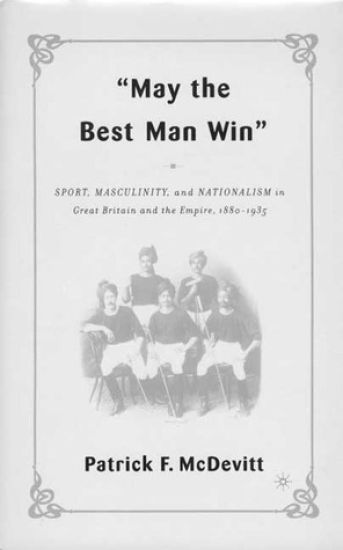
As Britain's great power status came to be increasingly challenged in the decades before the First World War, one by-product of the resultant uncertainty was the weakening of the Victorian, middle-class consensus of what constituted ideal manhood. Britain's empire was not only the source of wealth and power, but it simultaneously provided alternative models of masculinity and nationhood. Consequently, the empire and the commonwealth played an important role in defining imperial gender relations in both Britain and in the colonies and dominions. May the Best Man Win investigates the continual re-assessment and reassertion of various masculine ideals associated with sport in the British empire between 1880 and 1935.
May the Best Man Win

May the Best Man Win

P. McDevitt

Palgrave Macmillan
2004
sidottu
As Britain's great power status came to be increasingly challenged in the decades before the First World War, one by-product of the resultant uncertainty was the weakening of the Victorian, middle-class consensus of what constituted ideal manhood. Britain's empire was not only the source of wealth and power, but it simultaneously provided alternative models of masculinity and nationhood. Consequently, the empire and the commonwealth played an important role in defining imperial gender relations in both Britain and in the colonies and dominions. May the Best Man Win investigates the continual re-assessment and reassertion of various masculine ideals associated with sport in the British empire between 1880 and 1935.