Kirjojen hintavertailu. Mukana 12 506 652 kirjaa ja 12 kauppaa.

Kirjailija

P. Seib

Kirjat ja teokset yhdessä paikassa: 7 kirjaa, julkaisuja vuosilta 2004-2012, suosituimpien joukossa Toward a New Public Diplomacy. Vertaile teosten hintoja ja tarkista saatavuus suomalaisista kirjakaupoista.

7 kirjaa

Kirjojen julkaisuhaarukka 2004-2012.

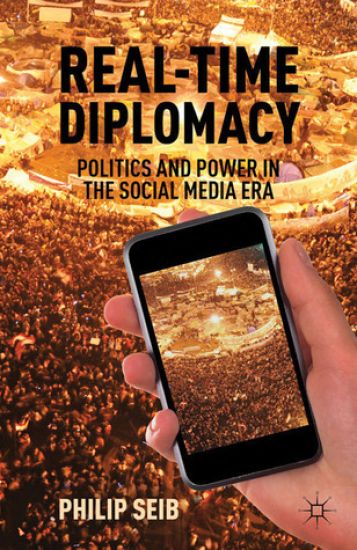
Real-Time Diplomacy

Real-Time Diplomacy

P. Seib

Palgrave Macmillan
2012
nidottu
In light of the events of 2011, Real-Time Diplomacy examines how diplomacy has evolved as media have gradually reduced the time available to policy makers. It analyzes the workings of real-time diplomacy and the opportunities for media-centered diplomacy programs that bypass governments and directly engage foreign citizens.
Real-Time Diplomacy

Real-Time Diplomacy

P. Seib

Palgrave Macmillan
2012
sidottu
In light of the events of 2011, Real-Time Diplomacy examines how diplomacy has evolved as media have gradually reduced the time available to policy makers. It analyzes the workings of real-time diplomacy and the opportunities for media-centered diplomacy programs that bypass governments and directly engage foreign citizens.
Al Jazeera English

Al Jazeera English

P. Seib

Palgrave Macmillan
2012
sidottu
Although Al Jazeera English has yet to receive to receive the attention accorded to its Arabic-language elder sibling, it is in many ways the more interesting of the two. It seeks to redefine global news coverage by focusing on areas that are traditionally neglected by most news organizations, and its potential audience is many times larger than that of the Arabic channel. This will be the first book to thoroughly examine this channel's coverage methods, effects on its audience, and its place in the world of mediated geopolitics.Al Jazeera recognized that if it was to expand its worldwide influence, it could not do so wholly in Arabic. And so, in 2006, it launched Al Jazeera English, the first English-language news channel to be headquartered in the Middle East. With its principal broadcast centers in Doha, Washington, London, and Kuala Lumpur, the channel faced the task of proving itself to be more than a curiosity and just a junior version of the all-news English-language channels such as the BBC or CNN. After several years of operation, Al Jazeera English seems well on its way to defining its place in the market. The breadth of its coverage, particularly its emphasis on reporting from the global South, has distinguished it from many of its competitors. Thorough coverage from the Middle East and from Africa provides a perspective that other major satellite channels have rarely offered their audiences. Initially, Al Jazeera English was available to 80 million cable and satellite households. It was, however, accessible by only a small number of viewers in the United States (mainly those accessing it through several online providers) primarily because of political reasons. Whatever the political back-story may be, gaining access to a larger global market will depend on audience demand. If Al Jazeera English does a better job of covering major stories, particularly in the Middle East and the global South, than other channels do, and if its competitors find themselvessaying, "As Al Jazeera English reported today . . .," news consumers will eventually demand access. This book will examine these political issues and will also analyze the channel's audience base, particularly in Africa and South Asia. The book will also offer evaluations of Al Jazeera English's defining moments to date - its reporting during the 2008-2009 war in Gaza (written by Palestinian and Israeli scholars), and its coverage of the "Ground Zero Mosque" controversy in 2010. The volume will also consider Al Jazeera English in the context of public diplomacy and the growing significance of diasporic populations.
Al Jazeera English

Al Jazeera English

P. Seib

Palgrave Macmillan
2012
nidottu
Although Al Jazeera English has yet to receive to receive the attention accorded to its Arabic-language elder sibling, it is in many ways the more interesting of the two. It seeks to redefine global news coverage by focusing on areas that are traditionally neglected by most news organizations, and its potential audience is many times larger than that of the Arabic channel. This will be the first book to thoroughly examine this channel's coverage methods, effects on its audience, and its place in the world of mediated geopolitics.Al Jazeera recognized that if it was to expand its worldwide influence, it could not do so wholly in Arabic. And so, in 2006, it launched Al Jazeera English, the first English-language news channel to be headquartered in the Middle East. With its principal broadcast centers in Doha, Washington, London, and Kuala Lumpur, the channel faced the task of proving itself to be more than a curiosity and just a junior version of the all-news English-language channels such as the BBC or CNN. After several years of operation, Al Jazeera English seems well on its way to defining its place in the market. The breadth of its coverage, particularly its emphasis on reporting from the global South, has distinguished it from many of its competitors. Thorough coverage from the Middle East and from Africa provides a perspective that other major satellite channels have rarely offered their audiences. Initially, Al Jazeera English was available to 80 million cable and satellite households. It was, however, accessible by only a small number of viewers in the United States (mainly those accessing it through several online providers) primarily because of political reasons. Whatever the political back-story may be, gaining access to a larger global market will depend on audience demand. If Al Jazeera English does a better job of covering major stories, particularly in the Middle East and the global South, than other channels do, and if its competitors find themselvessaying, "As Al Jazeera English reported today . . .," news consumers will eventually demand access. This book will examine these political issues and will also analyze the channel's audience base, particularly in Africa and South Asia. The book will also offer evaluations of Al Jazeera English's defining moments to date - its reporting during the 2008-2009 war in Gaza (written by Palestinian and Israeli scholars), and its coverage of the "Ground Zero Mosque" controversy in 2010. The volume will also consider Al Jazeera English in the context of public diplomacy and the growing significance of diasporic populations.
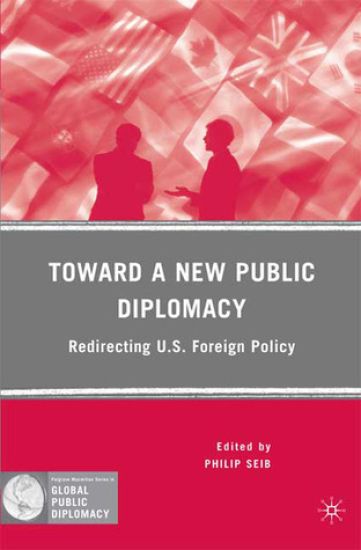
Toward a New Public Diplomacy

Toward a New Public Diplomacy

P. Seib

Palgrave Macmillan
2009
nidottu
Proponents of American public diplomacy sometimes find it difficult to be taken seriously. Everyone says nice things about relying less on military force and more on soft power. But it has been hard to break away from the longtime conventional wisdom that America owes its place in the world primarily to its muscle. Today, however, policy makers are recognizing that merely being a "superpower" - whatever that means now - does not ensure security or prosperity in a globalized society. Toward a New Public Diplomacy explains public diplomacy and makes the case for why it will be the crucial element in the much-needed reinvention of American foreign policy.
Toward a New Public Diplomacy

Toward a New Public Diplomacy

P. Seib

Palgrave Macmillan
2009
sidottu
Proponents of American public diplomacy sometimes find it difficult to be taken seriously. Everyone says nice things about relying less on military force and more on soft power. But it has been hard to break away from the longtime conventional wisdom that America owes its place in the world primarily to its muscle. Today, however, policy makers are recognizing that merely being a "superpower" - whatever that means now - does not ensure security or prosperity in a globalized society. Toward a New Public Diplomacy explains public diplomacy and makes the case for why it will be the crucial element in the much-needed reinvention of American foreign policy.
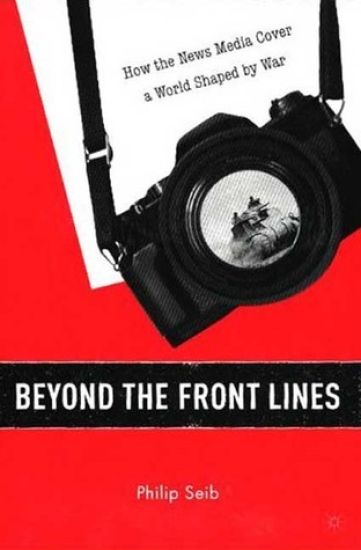
Beyond the Front Lines

Beyond the Front Lines

P. Seib

Palgrave Macmillan
2004
nidottu
Has Al Jazeera's impact been underestimated? Is the role of the Internet fully understood? Has public diplomacy become mired in clumsy propaganda? Beyond the Front Lines examines these issues, suggesting ways journalists might carry out their job better and defining the role of the news media in a high-tech, globalized and dangerous world.