Kirjojen hintavertailu. Mukana 12 147 092 kirjaa ja 12 kauppaa.

Kirjailija

Pamela E. Swett

Kirjat ja teokset yhdessä paikassa: 5 kirjaa, julkaisuja vuosilta 2004-2024, suosituimpien joukossa Neighbors and Enemies. Vertaile teosten hintoja ja tarkista saatavuus suomalaisista kirjakaupoista.

5 kirjaa

Kirjojen julkaisuhaarukka 2004-2024.

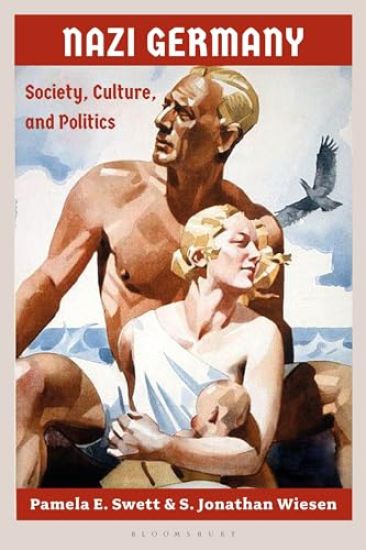
Nazi Germany

Nazi Germany

Pamela E. Swett; S. Jonathan Wiesen

BLOOMSBURY PUBLISHING PLC
2024
nidottu
Nazi Germany provides a comprehensive survey of the National Socialist dictatorship, artfully balancing social and cultural history with a political and military history of the regime.The book unravels the complexities of the daily lives of perpetrators, victims, and bystanders in the ‘Third Reich’, and it also places events in Germany from 1933 to 1945 in a transnational context. Nazi Germany prompts readers to think about not only the historical debates but also the ethical questions that attend the study of this period. Pamela E. Swett and S. Jonathan Wiesen address:*The movement’s ideological origins and the party’s rise to power *The creation of a police state, the use of propaganda, and public support for Nazi ideas and programs *The Nazis’ persecution of religious, racial, and sexual minorities*The place of youth, family, gender, and cultural expression in Nazi society*The transnational influence of Nazism and preparations for war in Germany*The Holocaust, resistance to Nazism, and the Second World WarSwett and Wiesen explore how the violence and racism of the Nazis coexisted alongside Germany’s self-presentation as a ‘normal’ state with happy, productive citizens.Through exposure to the voices of contemporaries, readers will be prompted to consider key questions: How did German democracy give way to a brutal dictatorship so quickly? What was daily life like for ‘average’ Germans and those labeled as biological and political outsiders? Why did the Nazi dictatorship embark on a destructive war that led to the death of tens of millions of Europeans and to the demise of a political order that had become exceedingly popular by 1939?
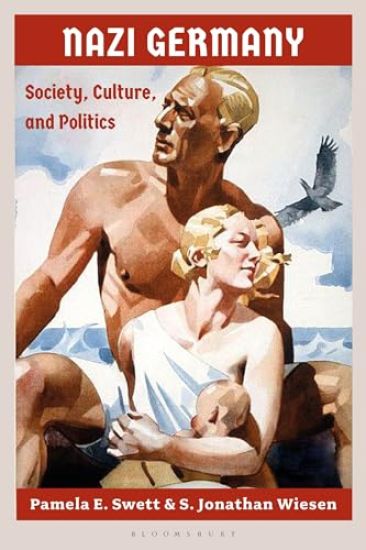
Nazi Germany

Nazi Germany

Pamela E. Swett; S. Jonathan Wiesen

BLOOMSBURY PUBLISHING PLC
2024
sidottu
Nazi Germany provides a comprehensive survey of the National Socialist dictatorship, artfully balancing social and cultural history with a political and military history of the regime.The book unravels the complexities of the daily lives of perpetrators, victims, and bystanders in the ‘Third Reich’, and it also places events in Germany from 1933 to 1945 in a transnational context. Nazi Germany prompts readers to think about not only the historical debates but also the ethical questions that attend the study of this period. Pamela E. Swett and S. Jonathan Wiesen address:*The movement’s ideological origins and the party’s rise to power *The creation of a police state, the use of propaganda, and public support for Nazi ideas and programs *The Nazis’ persecution of religious, racial, and sexual minorities*The place of youth, family, gender, and cultural expression in Nazi society*The transnational influence of Nazism and preparations for war in Germany*The Holocaust, resistance to Nazism, and the Second World WarSwett and Wiesen explore how the violence and racism of the Nazis coexisted alongside Germany’s self-presentation as a ‘normal’ state with happy, productive citizens.Through exposure to the voices of contemporaries, readers will be prompted to consider key questions: How did German democracy give way to a brutal dictatorship so quickly? What was daily life like for ‘average’ Germans and those labeled as biological and political outsiders? Why did the Nazi dictatorship embark on a destructive war that led to the death of tens of millions of Europeans and to the demise of a political order that had become exceedingly popular by 1939?

Selling Under the Swastika

Selling Under the Swastika

Pamela E. Swett

Stanford University Press
2013
sidottu
Selling under the Swastika is the first in-depth study of commercial advertising in the Third Reich. While scholars have focused extensively on the political propaganda that infused daily life in Nazi Germany, they have paid little attention to the role played by commercial ads and sales culture in legitimizing and stabilizing the regime. Historian Pamela Swett explores the extent of the transformation of the German ads industry from the internationally infused republican era that preceded 1933 through the relative calm of the mid-1930s and into the war years. She argues that advertisements helped to normalize the concept of a "racial community," and that individual consumption played a larger role in the Nazi worldview than is often assumed. Furthermore, Selling under the Swastika demonstrates that commercial actors at all levels, from traveling sales representatives to company executives and ad designers, enjoyed relative independence as they sought to enhance their professional status and boost profits through the manipulation of National Socialist messages.
Neighbors and Enemies

Neighbors and Enemies

Pamela E. Swett

Cambridge University Press
2007
pokkari
Neighbors and Enemies provides an interpretation of the collapse of Germany's first democracy, the Weimar Republic, which ended with the naming of Adolf Hitler as chancellor in January 1933. This study focuses on individual workers in Berlin and their strategies to confront the crises in their daily lives introduced by the transformation of society after 1918 and intensified during the Depression. Tensions between the sexes and generations, among neighbours, within families, and between citizens and their political parties led to the emergence of a radical - and at times violent - neighbourhood culture that signalled a loss of faith in political institutions. Swett offers an interpretation that marries a history of daily life in Depression-era Berlin with an analysis of the meanings of local politics in workers' communities, shifting our focus for understanding Weimar's collapse from the halls of governmental power to the streets of the urban core.
Neighbors and Enemies

Neighbors and Enemies

Pamela E. Swett

Cambridge University Press
2004
sidottu
Neighbors and Enemies provides a new interpretation of the collapse of Germany’s first democracy, the Weimar Republic, which ended with the naming of Adolf Hitler as chancellor in January 1933. This study focuses on individual workers in Berlin and their strategies to confront the crises in their daily lives introduced by the transformation of society after 1918 and intensified during the Depression. Tensions between the sexes and generations, among neighbors, within families, and between citizens and their political parties led to the emergence of a radical - and at times violent - neighborhood culture that signaled a loss of faith in political institutions. Swett offers an interpretation that marries a history of daily life in Depression-era Berlin with an analysis of the meanings of local politics in workers’ communities, shifting our focus for understanding Weimar’s collapse from the halls of governmental power to the streets of the urban core.