Kirjojen hintavertailu. Mukana 12 182 019 kirjaa ja 12 kauppaa.

Kirjailija

Pamela May

Kirjat ja teokset yhdessä paikassa: 9 kirjaa, julkaisuja vuosilta 2006-2018, suosituimpien joukossa Creative Development in the Early Years Foundation Stage. Vertaile teosten hintoja ja tarkista saatavuus suomalaisista kirjakaupoista.

9 kirjaa

Kirjojen julkaisuhaarukka 2006-2018.

Sound Beginnings

Sound Beginnings

Pamela May; Erica Ashford; Gillian Bottle

CRC Press
2018
sidottu
By celebrating the spirit and principles that are enshrined in the Curriculum Guidance for the Foundation Stage (DfES, 2000), this book describes how children learn and develop best in good Early Years practice. It encourages the practitioner to take a step back from their day-to-day routines and objectives and instead focus on the child and how to create the sound beginnings that every child needs to flourish and develop in the Early Years. Aspects of the principles underpinning early child development covered include: the importance of playdeveloping confidence and self-esteemrelationships with othersindependent learning.Suggesting ways of teaching young children that practitioners can be confident will be effective, this book is essential reading for all reflective practitioners in the Early Years – including trainee teachers and students of early childhood studies.
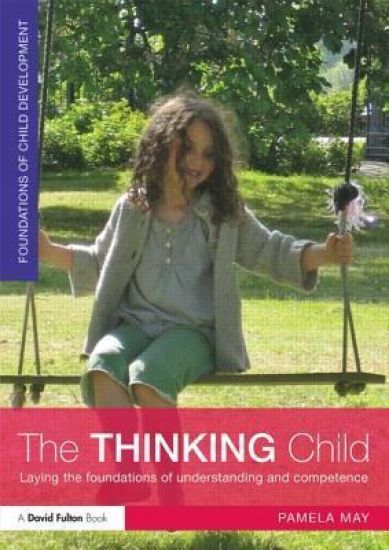
The Thinking Child

The Thinking Child

Pamela May

Routledge
2013
sidottu
What characteristics do children need to become motivated to learn? How do children’s experiences and relationships affect their cognitive development? How do you provide learning experiences that meet the developmental needs of every child in your care?The Thinking Child thoughtfully discusses the key principles of children’s cognitive and intellectual development alongside descriptions of everyday practice. It clearly explains the cognitive strategies that children use to learn new knowledge, the development of cognitive milestones such as symbolism, memories and the imagination, metacognition and creativity along with research into how the brain processes information. Throughout the book, the author considers the key characteristics of effective learning and shows how play is one of the primary mechanisms that children use to access new knowledge and to consolidate their emerging ideas and concepts. These characteristics are then applied to integral aspects of early years practice to show how pracitioners can: motivate children to learn new knowledge about themselves and the world around them; help children to develop their own ideas creatively and use this knowledge as a base to learn new things; reflect on their own teaching methods to encourage children’s engagement, motivation and creativity through effective observation and planning; engage with parents and carers to help support children’s learning at home whilst maintaining the values of the family; celebrate the uniqueness of each child and provide learning experiences that are appropriate for individuals with particular learning needs, be they physical, emotional or cognitive to ensure that every child has an equal opportunity to succeed.Emphasising the importance of understanding the theory that underpins children’s cognitive development, this accessible text shows practitioners how they can use this knowledge to provide learning opportunities that nourish children’s thinking and creative skills.
The Thinking Child

The Thinking Child

Pamela May

Routledge
2013
nidottu
What characteristics do children need to become motivated to learn? How do children’s experiences and relationships affect their cognitive development? How do you provide learning experiences that meet the developmental needs of every child in your care?The Thinking Child thoughtfully discusses the key principles of children’s cognitive and intellectual development alongside descriptions of everyday practice. It clearly explains the cognitive strategies that children use to learn new knowledge, the development of cognitive milestones such as symbolism, memories and the imagination, metacognition and creativity along with research into how the brain processes information. Throughout the book, the author considers the key characteristics of effective learning and shows how play is one of the primary mechanisms that children use to access new knowledge and to consolidate their emerging ideas and concepts. These characteristics are then applied to integral aspects of early years practice to show how pracitioners can: motivate children to learn new knowledge about themselves and the world around them; help children to develop their own ideas creatively and use this knowledge as a base to learn new things; reflect on their own teaching methods to encourage children’s engagement, motivation and creativity through effective observation and planning; engage with parents and carers to help support children’s learning at home whilst maintaining the values of the family; celebrate the uniqueness of each child and provide learning experiences that are appropriate for individuals with particular learning needs, be they physical, emotional or cognitive to ensure that every child has an equal opportunity to succeed.Emphasising the importance of understanding the theory that underpins children’s cognitive development, this accessible text shows practitioners how they can use this knowledge to provide learning opportunities that nourish children’s thinking and creative skills.
Child Development in Practice

Child Development in Practice

Pamela May

Routledge
2010
sidottu
How should children feel about themselves and their learning? How do I know what children have learnt and how can I move them on? How can I ensure that resources are available for children to use actively and independently?In today’s busy setting an understanding of child development sometimes gets overlooked, yet it lies at the heart of effective practice. Child Development in Practice provides an approachable, user-friendly base from which to plan ways of working with children that are developmentally appropriate and will enable them to learn enjoyably and effectively. Drawing on recent research, the book thoughtfully discusses sound principles of child development alongside descriptions of every day practice. It then offers practical advice on how to fully utilise the key areas in an early years setting, including the creative area, books and stories and the outside, and shows how to plan and implement integrated topics where teaching is cross-curricular and holistic. Throughout, a series of key questions are presented to encourage practitioners to reflect on why they are teaching in certain ways and increase their understanding of children’s developmental needs.Directly linking theory and practice, this book aims to give students and practitioners the knowledge and confidence they need to help children become active, interactive and independent learners.
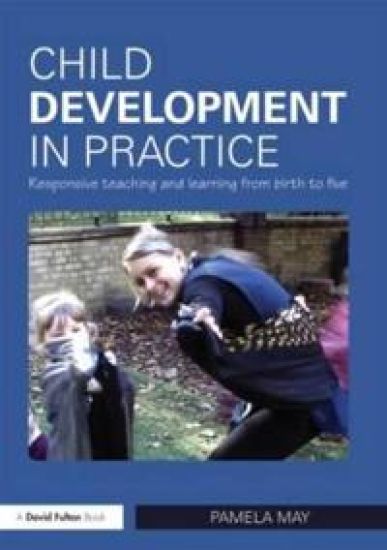
Child Development in Practice

Child Development in Practice

Pamela May

Routledge
2010
nidottu
How should children feel about themselves and their learning? How do I know what children have learnt and how can I move them on? How can I ensure that resources are available for children to use actively and independently?In today’s busy setting an understanding of child development sometimes gets overlooked, yet it lies at the heart of effective practice. Child Development in Practice provides an approachable, user-friendly base from which to plan ways of working with children that are developmentally appropriate and will enable them to learn enjoyably and effectively. Drawing on recent research, the book thoughtfully discusses sound principles of child development alongside descriptions of every day practice. It then offers practical advice on how to fully utilise the key areas in an early years setting, including the creative area, books and stories and the outside, and shows how to plan and implement integrated topics where teaching is cross-curricular and holistic. Throughout, a series of key questions are presented to encourage practitioners to reflect on why they are teaching in certain ways and increase their understanding of children’s developmental needs.Directly linking theory and practice, this book aims to give students and practitioners the knowledge and confidence they need to help children become active, interactive and independent learners.
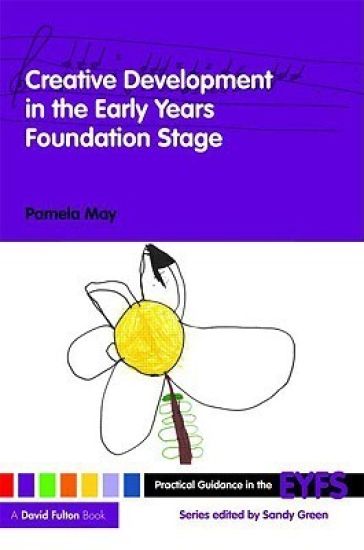
Creative Development in the Early Years Foundation Stage
The Practical Guidance in the Early Years Foundation Stage series will assist practitioners in the smooth and successful implementation of the Early Years Foundation Stage.Each book gives clear and detailed explanations of each aspect of Learning and Development and encourages readers to consider each area within its broadest context to expand and develop their own knowledge and good practice.Practical ideas and activities for all age groups are offered along with a wealth of expertise of how elements from the practice guidance can be implemented within all early years settings. The books include suggestions for the innovative use of everyday ressources, popular books and stories.The clear and practical information in this book will help practitioners in supporting and developing the natural curiosity of children, helping them explore and express their own ideas through a variety of activities including music art and dance. The author explores the balance between the necessary freedoms of choice that creativity requires and the control which thoughtful practitioners must exert and offers ideas for building children's imaginations through play.
Creative Development in the Early Years Foundation Stage
The Practical Guidance in the Early Years Foundation Stage series will assist practitioners in the smooth and successful implementation of the Early Years Foundation Stage.Each book gives clear and detailed explanations of each aspect of Learning and Development and encourages readers to consider each area within its broadest context to expand and develop their own knowledge and good practice.Practical ideas and activities for all age groups are offered along with a wealth of expertise of how elements from the practice guidance can be implemented within all early years settings. The books include suggestions for the innovative use of everyday ressources, popular books and stories.The clear and practical information in this book will help practitioners in supporting and developing the natural curiosity of children, helping them explore and express their own ideas through a variety of activities including music art and dance. The author explores the balance between the necessary freedoms of choice that creativity requires and the control which thoughtful practitioners must exert and offers ideas for building children's imaginations through play.
Practical Guidance in the Early Years Foundation Stage Set

Practical Guidance in the Early Years Foundation Stage Set

Angela D Nurse; Pamela May; Stella Louis; Sue Sheppy; Anita M Hughes; Helen Bradford; Sandra Smidt

Routledge
2008
muu
This highly practical series links fully and comfortably to the Early Years Foundation Stage making the implementation of the practice guidance within your setting easy. Each book provides a theoretical background on which good practice is based, helping practitioners provide children with a relevant, age appropriate, exciting and challenging curriculum in each area of learning. Each book includes: Easy to implement practical ideas across all age groups Suggestions for innovative use of everyday resources and/or popular books and stories How to consider each area of learning within its broadest context. The series is complemented by a planning book providing clear ideas on how to plan and deliver cross-curriculum activities throughout the EYFS, and how to use observation and assessment in a positive way to inform practice.
Sound Beginnings

Sound Beginnings

Pamela May; Erica Ashford; Gillian Bottle

David Fulton Publishers Ltd
2006
nidottu
By celebrating the spirit and principles that are enshrined in the Curriculum Guidance for the Foundation Stage (DfES, 2000), this book describes how children learn and develop best in good Early Years practice. It encourages the practitioner to take a step back from their day-to-day routines and objectives and instead focus on the child and how to create the sound beginnings that every child needs to flourish and develop in the Early Years. Aspects of the principles underpinning early child development covered include: the importance of playdeveloping confidence and self-esteemrelationships with othersindependent learning.Suggesting ways of teaching young children that practitioners can be confident will be effective, this book is essential reading for all reflective practitioners in the Early Years – including trainee teachers and students of early childhood studies.