Kirjojen hintavertailu. Mukana 12 390 323 kirjaa ja 12 kauppaa.

Kirjailija

Pamela Robertson Wojcik

Kirjat ja teokset yhdessä paikassa: 8 kirjaa, julkaisuja vuosilta 2010-2024, suosituimpien joukossa The Apartment Plot. Vertaile teosten hintoja ja tarkista saatavuus suomalaisista kirjakaupoista.

8 kirjaa

Kirjojen julkaisuhaarukka 2010-2024.

Unhomed

Unhomed

Pamela Robertson Wojcik

University of California Press
2024
sidottu
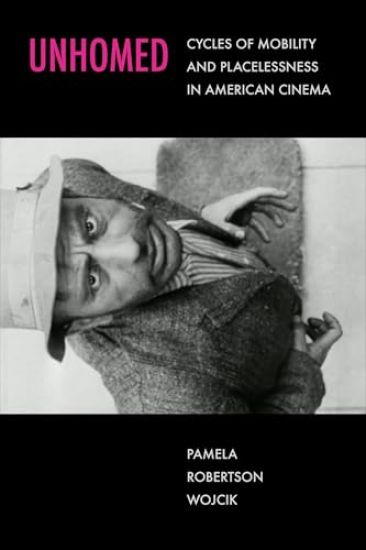
In this rich cultural history, Pamela Roberston Wojcik examines America's ambivalent and shifting attitude toward homelessness. She considers film cycles from five distinct historical moments that show characters who are unhomed and placeless, mobile rather than fixed—characters who fail, resist, or opt out of the mandate for a home of one's own. From the tramp films of the silent era to the 2021 Oscar-winning Nomadland, Wojcik reveals a tension in the American imaginary between viewing homelessness as deviant and threatening or emblematic of freedom and independence. Blending social history with insights drawn from a complex array of films, both canonical and fringe, Wojcik effectively "unhomes" dominant narratives that cast aspirations for success and social mobility as the focus of American cinema, reminding us that genres of precarity have been central to American cinema (and the American story) all along.
Unhomed

Unhomed

Pamela Robertson Wojcik

University of California Press
2024
pokkari
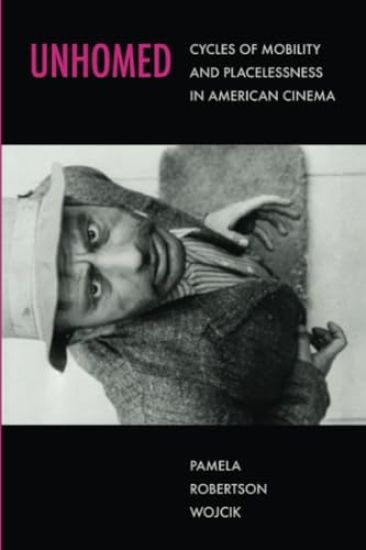
In this rich cultural history, Pamela Roberston Wojcik examines America's ambivalent and shifting attitude toward homelessness. She considers film cycles from five distinct historical moments that show characters who are unhomed and placeless, mobile rather than fixed—characters who fail, resist, or opt out of the mandate for a home of one's own. From the tramp films of the silent era to the 2021 Oscar-winning Nomadland, Wojcik reveals a tension in the American imaginary between viewing homelessness as deviant and threatening or emblematic of freedom and independence. Blending social history with insights drawn from a complex array of films, both canonical and fringe, Wojcik effectively "unhomes" dominant narratives that cast aspirations for success and social mobility as the focus of American cinema, reminding us that genres of precarity have been central to American cinema (and the American story) all along.
Gidget

Gidget

Pamela Robertson Wojcik

Routledge
2022
nidottu
Gidget: Origins of a Teen Girl Transmedia Franchise examines the multiplicity of books, films, TV shows, and merchandise that make up the transmedia Gidget universe from the late 1950s to the 1980s. The book examines the Gidget phenomenon as an early and unique teen girl franchise that expands understanding of both teen girlhood and transmedia storytelling. It locates the film as existing at the historical intersection of numerous discourses and events, including the emergence of surf culture and surf films; the rise of California as signifier of modernity and as the epicentre of white American middle-class teen culture; the annexation of Hawaii; the invention of Barbie; and Hollywood’s reluctant acceptance of teen culture and teen audiences. Each chapter places the Gidget text in context, looking at production and reception circumstances and intertexts such as the novels of Françoise Sagan, the Tammy series, La Dolce Vita, and The Patty Duke Show, to better understand Gidget’s meaning at different points in time.This book explores many aspects of Gidget, providing an invaluable insight into this iconic franchise for students and researchers in film studies, feminist media studies, and youth culture.
Gidget

Gidget

Pamela Robertson Wojcik

Routledge
2020
sidottu
Gidget: Origins of a Teen Girl Transmedia Franchise examines the multiplicity of books, films, TV shows, and merchandise that make up the transmedia Gidget universe from the late 1950s to the 1980s. The book examines the Gidget phenomenon as an early and unique teen girl franchise that expands understanding of both teen girlhood and transmedia storytelling. It locates the film as existing at the historical intersection of numerous discourses and events, including the emergence of surf culture and surf films; the rise of California as signifier of modernity and as the epicentre of white American middle-class teen culture; the annexation of Hawaii; the invention of Barbie; and Hollywood’s reluctant acceptance of teen culture and teen audiences. Each chapter places the Gidget text in context, looking at production and reception circumstances and intertexts such as the novels of Françoise Sagan, the Tammy series, La Dolce Vita, and The Patty Duke Show, to better understand Gidget’s meaning at different points in time.This book explores many aspects of Gidget, providing an invaluable insight into this iconic franchise for students and researchers in film studies, feminist media studies, and youth culture.
Fantasies of Neglect

Fantasies of Neglect

Pamela Robertson Wojcik

Rutgers University Press
2016
sidottu
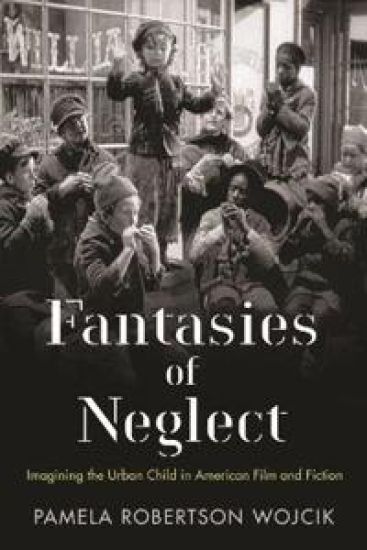
In our current era of helicopter parenting and stranger danger, an unaccompanied child wandering through the city might commonly be viewed as a victim of abuse and neglect. However, from the early twentieth century to the present day, countless books and films have portrayed the solitary exploration of urban spaces as a source of empowerment and delight for children. Fantasies of Neglect explains how this trope of the self-sufficient, mobile urban child originated and considers why it persists, even as it goes against the grain of social reality. Drawing from a wide range of films, children’s books, adult novels, and sociological texts, Pamela Robertson Wojcik investigates how cities have simultaneously been demonized as dangerous spaces unfit for children and romanticized as wondrous playgrounds that foster a kid’s independence and imagination. Charting the development of free-range urban child characters from Little Orphan Annie to Harriet the Spy to Hugo Cabret, and from Shirley Temple to the Dead End Kids, she considers the ongoing dialogue between these fictional representations and shifting discourses on the freedom and neglect of children. While tracking the general concerns Americans have expressed regarding the abstract figure of the child, the book also examines the varied attitudes toward specific types of urban children—girls and boys, blacks and whites, rich kids and poor ones, loners and neighborhood gangs. Through this diverse selection of sources, Fantasies of Neglect presents a nuanced chronicle of how notions of American urbanism and American childhood have grown up together.
Fantasies of Neglect

Fantasies of Neglect

Pamela Robertson Wojcik

Rutgers University Press
2016
nidottu
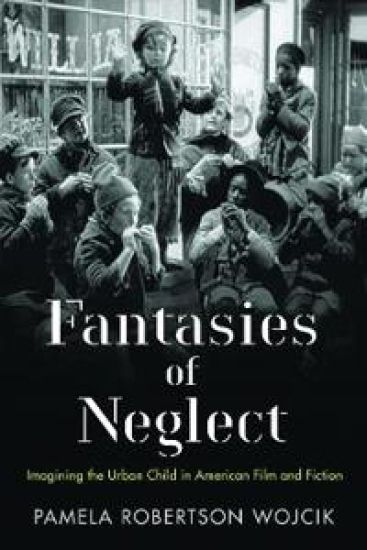
In our current era of helicopter parenting and stranger danger, an unaccompanied child wandering through the city might commonly be viewed as a victim of abuse and neglect. However, from the early twentieth century to the present day, countless books and films have portrayed the solitary exploration of urban spaces as a source of empowerment and delight for children. Fantasies of Neglect explains how this trope of the self-sufficient, mobile urban child originated and considers why it persists, even as it goes against the grain of social reality. Drawing from a wide range of films, children’s books, adult novels, and sociological texts, Pamela Robertson Wojcik investigates how cities have simultaneously been demonized as dangerous spaces unfit for children and romanticized as wondrous playgrounds that foster a kid’s independence and imagination. Charting the development of free-range urban child characters from Little Orphan Annie to Harriet the Spy to Hugo Cabret, and from Shirley Temple to the Dead End Kids, she considers the ongoing dialogue between these fictional representations and shifting discourses on the freedom and neglect of children. While tracking the general concerns Americans have expressed regarding the abstract figure of the child, the book also examines the varied attitudes toward specific types of urban children—girls and boys, blacks and whites, rich kids and poor ones, loners and neighborhood gangs. Through this diverse selection of sources, Fantasies of Neglect presents a nuanced chronicle of how notions of American urbanism and American childhood have grown up together.
The Apartment Plot

The Apartment Plot

Pamela Robertson Wojcik

Duke University Press
2010
pokkari
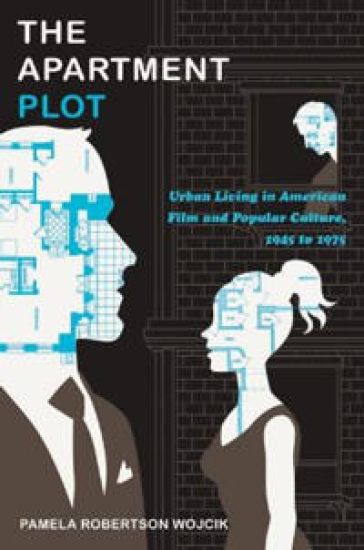
Rethinking the significance of films including Pillow Talk, Rear Window, and The Seven Year Itch, Pamela Robertson Wojcik examines the popularity of the “apartment plot,” her term for stories in which the apartment functions as a central narrative device. From the baby boom years into the 1970s, the apartment plot was not only key to films; it also surfaced in TV shows, Broadway plays, literature, and comic strips, from The Honeymooners and The Mary Tyler Moore Show to Subways are for Sleeping and Apartment 3-G. By identifying the apartment plot as a film genre, Wojcik reveals affinities between movies generally viewed as belonging to such distinct genres as film noir, romantic comedy, and melodrama. She analyzes the apartment plot as part of a mid-twentieth-century urban discourse, showing how it offers a vision of home centered on values of community, visibility, contact, mobility, impermanence, and porousness that contrasts with views of home as private, stable, and family-based. Wojcik suggests that the apartment plot presents a philosophy of urbanism related to the theories of Jane Jacobs and Henri Lefebvre. Urban apartments were important spaces for negotiating gender, sexuality, race, and class in mid-twentieth-century America.
The Apartment Plot

The Apartment Plot

Pamela Robertson Wojcik

Duke University Press
2010
sidottu
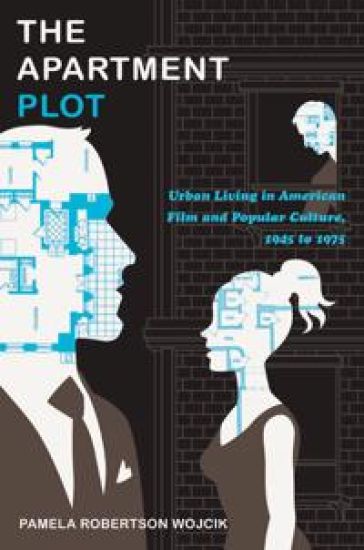
Rethinking the significance of films including Pillow Talk, Rear Window, and The Seven Year Itch, Pamela Robertson Wojcik examines the popularity of the “apartment plot,” her term for stories in which the apartment functions as a central narrative device. From the baby boom years into the 1970s, the apartment plot was not only key to films; it also surfaced in TV shows, Broadway plays, literature, and comic strips, from The Honeymooners and The Mary Tyler Moore Show to Subways are for Sleeping and Apartment 3-G. By identifying the apartment plot as a film genre, Wojcik reveals affinities between movies generally viewed as belonging to such distinct genres as film noir, romantic comedy, and melodrama. She analyzes the apartment plot as part of a mid-twentieth-century urban discourse, showing how it offers a vision of home centered on values of community, visibility, contact, mobility, impermanence, and porousness that contrasts with views of home as private, stable, and family-based. Wojcik suggests that the apartment plot presents a philosophy of urbanism related to the theories of Jane Jacobs and Henri Lefebvre. Urban apartments were important spaces for negotiating gender, sexuality, race, and class in mid-twentieth-century America.