Kirjojen hintavertailu. Mukana 12 390 323 kirjaa ja 12 kauppaa.

Kirjailija

Pamela Scalise

Kirjat ja teokset yhdessä paikassa: 3 kirjaa, julkaisuja vuosilta 2012-2017, suosituimpien joukossa Minor Prophets II: Understanding the Bible Commentary Series. Vertaile teosten hintoja ja tarkista saatavuus suomalaisista kirjakaupoista.

3 kirjaa

Kirjojen julkaisuhaarukka 2012-2017.

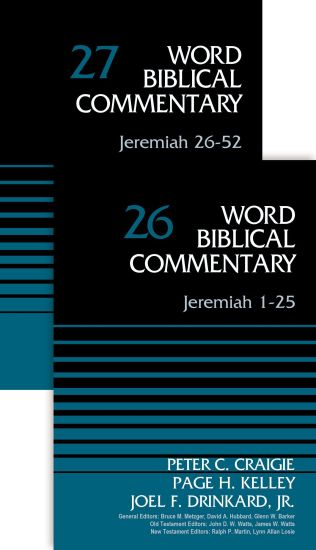
Jeremiah (2-Volume Set---26 and 27)

Jeremiah (2-Volume Set---26 and 27)

Peter C. Craigie; Paige Kelley; Joel F. Drinkard; Pamela Scalise; Thomas G. Smothers

Zondervan
2017
sidottu
The Word Biblical Commentary delivers the best in biblical scholarship, from the leading scholars of our day who share a commitment to Scripture as divine revelation. This series emphasizes a thorough analysis of textual, linguistic, structural, and theological evidence. The result is judicious and balanced insight into the meanings of the text in the framework of biblical theology. These widely acclaimed commentaries serve as exceptional resources for the professional theologian and instructor, the seminary or university student, the working minister, and everyone concerned with building theological understanding from a solid base of biblical scholarship. Overview of Commentary Organization Introduction—covers issues pertaining to the whole book, including context, date, authorship, composition, interpretive issues, purpose, and theology. Each section of the commentary includes: Pericope Bibliography—a helpful resource containing the most important works that pertain to each particular pericope. Translation—the author’s own translation of the biblical text, reflecting the end result of exegesis and attending to Hebrew and Greek idiomatic usage of words, phrases, and tenses, yet in reasonably good English. Notes—the author’s notes to the translation that address any textual variants, grammatical forms, syntactical constructions, basic meanings of words, and problems of translation. Form/Structure/Setting—a discussion of redaction, genre, sources, and tradition as they concern the origin of the pericope, its canonical form, and its relation to the biblical and extra-biblical contexts in order to illuminate the structure and character of the pericope. Rhetorical or compositional features important to understanding the passage are also introduced here. Comment—verse-by-verse interpretation of the text and dialogue with other interpreters, engaging with current opinion and scholarly research. Explanation—brings together all the results of the discussion in previous sections to expose the meaning and intention of the text at several levels: (1) within the context of the book itself; (2) its meaning in the OT or NT; (3) its place in the entire canon; (4) theological relevance to broader OT or NT issues. General Bibliography—occurring at the end of each volume, this extensive bibliographycontains all sources used anywhere in the commentary.
Jeremiah 26-52, Volume 27

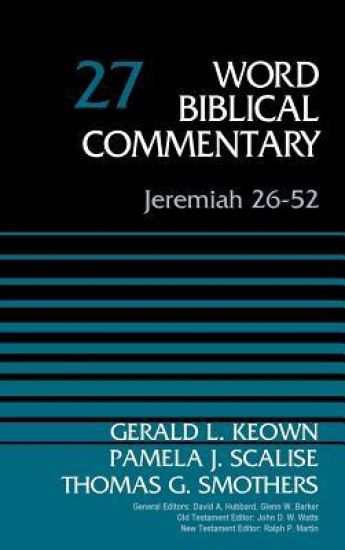
Jeremiah 26-52, Volume 27

Gerald Keown; Pamela Scalise; Thomas G. Smothers

Zondervan
2016
sidottu
The Word Biblical Commentary delivers the best in biblical scholarship, from the leading scholars of our day who share a commitment to Scripture as divine revelation. This series emphasizes a thorough analysis of textual, linguistic, structural, and theological evidence. The result is judicious and balanced insight into the meanings of the text in the framework of biblical theology. These widely acclaimed commentaries serve as exceptional resources for the professional theologian and instructor, the seminary or university student, the working minister, and everyone concerned with building theological understanding from a solid base of biblical scholarship.Overview of Commentary OrganizationIntroduction—covers issues pertaining to the whole book, including context, date, authorship, composition, interpretive issues, purpose, and theology.Each section of the commentary includes:Pericope Bibliography—a helpful resource containing the most important works that pertain to each particular pericope.Translation—the author’s own translation of the biblical text, reflecting the end result of exegesis and attending to Hebrew and Greek idiomatic usage of words, phrases, and tenses, yet in reasonably good English.Notes—the author’s notes to the translation that address any textual variants, grammatical forms, syntactical constructions, basic meanings of words, and problems of translation.Form/Structure/Setting—a discussion of redaction, genre, sources, and tradition as they concern the origin of the pericope, its canonical form, and its relation to the biblical and extra-biblical contexts in order to illuminate the structure and character of the pericope. Rhetorical or compositional features important to understanding the passage are also introduced here.Comment—verse-by-verse interpretation of the text and dialogue with other interpreters, engaging with current opinion and scholarly research.Explanation—brings together all the results of the discussion in previous sections to expose the meaning and intention of the text at several levels: (1) within the context of the book itself; (2) its meaning in the OT or NT; (3) its place in the entire canon; (4) theological relevance to broader OT or NT issues.General Bibliography—occurring at the end of each volume, this extensive bibliographycontains all sources used anywhere in the commentary.
Minor Prophets II: Understanding the Bible Commentary Series

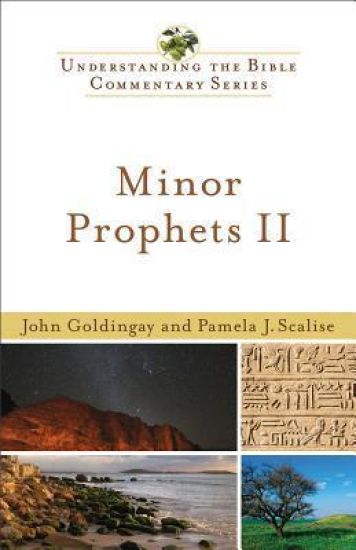
Minor Prophets II: Understanding the Bible Commentary Series

John Goldingay; Pamela Scalise

BAKER PUBLISHING GROUP
2012
nidottu
The Minor Prophets are those dozen Old Testament books that, in the time of Jesus, were usually written on one scroll since they were all fairly brief. The late Elizabeth Achtemeier prepared the New International Biblical Commentary on the first six: Hosea, Joel, Amos, Obadiah, Jonah, and Micah. This second volume deals with the final six books. John Goldingay writes on Nahum, Habakkuk, Zephaniah, and Haggai; Pamela Scalise takes on the longest, Zechariah, and the last, Malachi. Like the authors of other volumes in the NIBC, Goldingay and Scalise utilize what is referred to as "believing criticism" when examining the biblical texts. Based on fidelity to critical analysis and sensitivity to the faith of both ancient and contemporary readers, this balanced approach enriches both the academy and the church. Following the series guidelines, the authors clearly explain the texts with additional notes regarding interpretation and "practical" reflection. For example, Goldingay issues a reminder that when the prophets spoke against the arrogance and sins of Assyria and Babylon, the Israelites needed to hear the word of God as a caution against their own pride and wickedness. He goes on to suggest that modern readers must remember, as well, that the same attitudes and actions that led to the downfall of these ancient Middle East empires can fall upon any and all who follow their example. The New International Biblical Commentary offers the best of contemporary scholarship in a format that both general readers and serious students can use with profit. Based on the widely used New International Version translation, the NIBC presents careful section-by-section exposition with key terms and phrases highlighted and all Hebrew transliterated. A separate section of notes at the close of each chapter provides additional textual, linguistic, cultural, and technical comments. Each commentary also includes a selected bibliography as well as Scripture and subject indexes.