Kirjojen hintavertailu. Mukana 12 390 323 kirjaa ja 12 kauppaa.

Kirjailija

Patricia Di Risio

Kirjat ja teokset yhdessä paikassa: 3 kirjaa, julkaisuja vuosilta 2014-2024, suosituimpien joukossa Celluloid Ceiling. Vertaile teosten hintoja ja tarkista saatavuus suomalaisista kirjakaupoista.

3 kirjaa

Kirjojen julkaisuhaarukka 2014-2024.

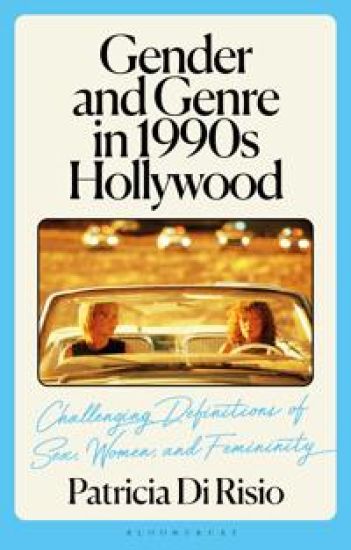
Gender and Genre in 1990s Hollywood

Gender and Genre in 1990s Hollywood

Patricia Di Risio

BLOOMSBURY PUBLISHING PLC
2024
sidottu
The 1990s was a decade of significant turmoil in Hollywood cinema, which resulted in a watershed moment in the interplay of gender and genre. Patricia Di Risio argues that cinematic representations of unconventional women had an important effect on traditionally male oriented genres, such as the crime thriller, road movie, western, film noir, war film, sci-fi, and horror. Di Risio analyses seven key films from the decade, including Blue Steel (1990), Thelma & Louise (1991), The Quick and the Dead (1995), Bound (1996), Jackie Brown (1997), G.I. Jane (1997) and Alien: Resurrection (1997), paying particular attention to their use of irony, allusion, and pastiche. She highlights how their female protagonists, a majority of whom are decidedly queer or gender questioning personas, produce an intense crossover in genre conventions, largely driven by their gender rebellion. She examines how a deconstruction of gender simultaneously allows genre hybridity and intertextuality, taking these films into unexpected new directions. In doing so, she delineates a clear line between the unconventional nature of the representation of the female protagonists and innovative changes to genre filmmaking practices.
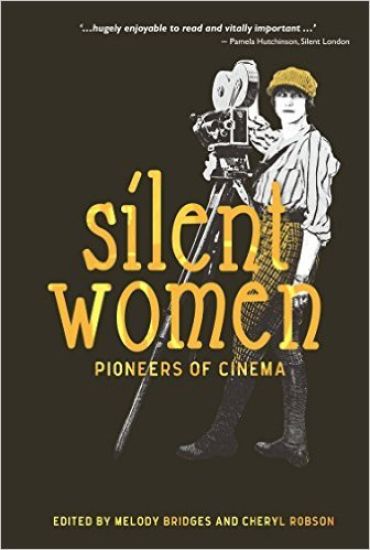
Silent Women

Silent Women

Bryony Dixon; Karen Day; Aimee Dixon Anthony; Pieter Aquilia; Patricia Di Risio; Julie K. Allen; Melody Bridges; Francesca Stephens

Aurora Metro Books
2016
nidottu
Why have women such as Alice Guy-Blache, the creator of narrative cinema, been written out of film history? Why have so many women working behind the scenes in film been rendered invisible and silent for so long? Silent Women: Pioneers of Cinema explores the incredible contribution of women at the dawn of cinema when, surprisingly, more women were employed across the board in the film industry than they are now. It also looks at how women helped to shape the content, style of acting and development of the movie business in their roles as actors, writers, editors, cinematographers, directors and producers. In addition, we describe how women engaged with and influenced the development of cinema in their roles as audience, critics, fans, reviewers, journalists and the arbiters of morality in films. And finally, we ask when the current discrimination and male domination of the industry will give way to allow more women access to the top jobs. In addition to its historical focus on women working in film during the silent film era, the term silent also refers to the silencing and eradication of the enormous contribution that women have made to the development of the motion picture industry.
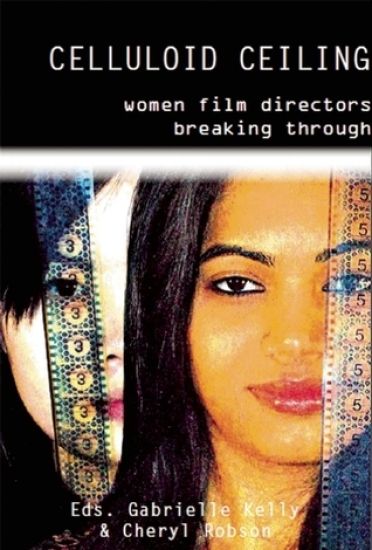
Celluloid Ceiling

Celluloid Ceiling

Beti Ellerson; Maria Williams-Hawkins; Karen Oughton; Ana Maria Bahiana; Jacqui Miller; Gabrielle Kelly; Nathan Shaw; Patricia Di Risio

Aurora Metro Books
2014
nidottu
Now Kathryn Bigelow has made history as the first woman to win an Oscar for directing, is this a new era for women filmmakers? The figures suggest otherwise. Seeking to redress the imbalance between male and female film directors, Celluloid Ceiling explores inspiring new work appearing in the USA, the UK and globally. Highlighting emerging women directors alongside ground-breaking pioneers, this is a one-stop guide to the leading women film directors in the 21st century and those who inspired them. From Oscar-winning action director Kathryn Bigelow to emerging strong voices from Saudi Arabia, Pakistan and Laos, particular attention is paid to women making films in traditionally male-dominated areas such as action, sci-fi and fantasy and to works with a new take on the violence and pornography of the horror genre. This book shows that the changes overturning current business and artistic processes are opening up new opportunities for women film directors who are determined make the most of these. The contributors represent women making film Africa, Latin America, Europe, USA, Asia and India, with new voices in Japanese and Middle Eastern cinema, the women directors working in TV, as well as the first woman director Alice Guy Blache, the rise of the independent and the horror aficionados the Soska Sisters, Celluloid Ceiling includes numerous interviews and b/w photographs.