
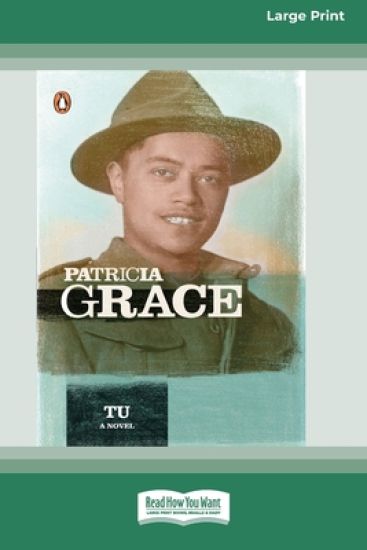
Kirjailija
Patricia Grace
Kirjat ja teokset yhdessä paikassa: 12 kirjaa, julkaisuja vuosilta 1995-2020, suosituimpien joukossa Tu (16pt Large Print Edition). Vertaile teosten hintoja ja tarkista saatavuus suomalaisista kirjakaupoista.
12 kirjaa
Kirjojen julkaisuhaarukka 1995-2020.

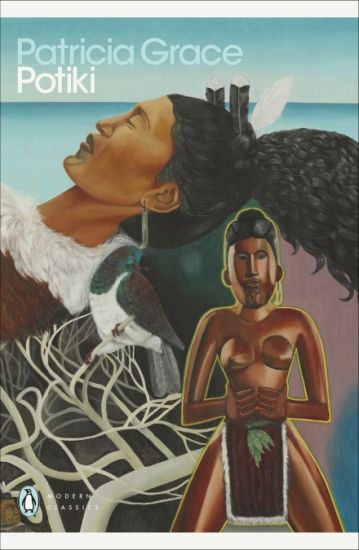
'Provocative, compassionate and beautiful' - Joy Harjo, US Poet Laureate A moving story of a Maori community's fight for survival, from one of New Zealand's most prominent and celebrated authorsOn the remote coast of New Zealand, at the curve that binds the land and the sea, a small Maori community live, work, fish, play and tell stories of their ancestors. But something is changing. The prophet child toko can sense it. Men are coming, with dollars and big plans to develop the area for tourism. As their ancestral land becomes threatened, the people must unite in a battle for survival. Weaving together myth and memory, Patricia Grace's prize-winning novel is a spellbinding portrait of a defiant community determined to protect their way of life at any cost.
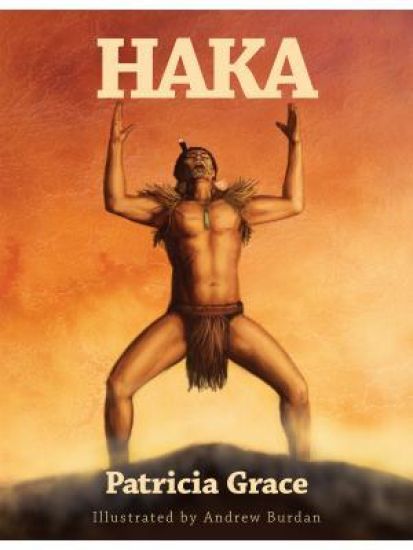
Ng?ti Toa chief Te Rauparaha is pursued by his enemies and fears for his life. At Lake Rotoaira, he is hidden in a k?mara pit, and Te Rangikoaea, a woman of great power, sits in front of its entrance. As he hears his enemies, Te Rauparaha whispers in the dark "Will I die?' Will I live?", but his enemies cannot find him, and he climbs back to the sunlight.
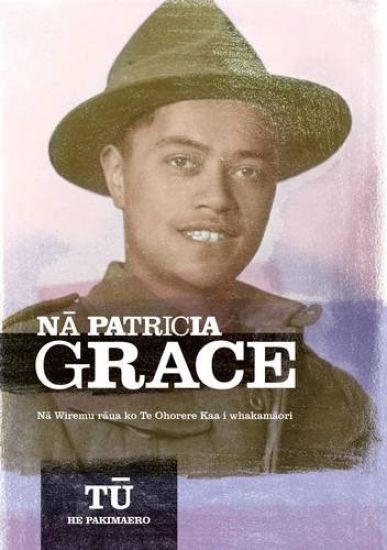
In this M?ori translation of the Kiriyama Prize Notable Book, acclaimed M?ori novelist Patricia Grace visits the often terrifying and complex world faced by men of the M?ori Battalion in Italy during World War II.

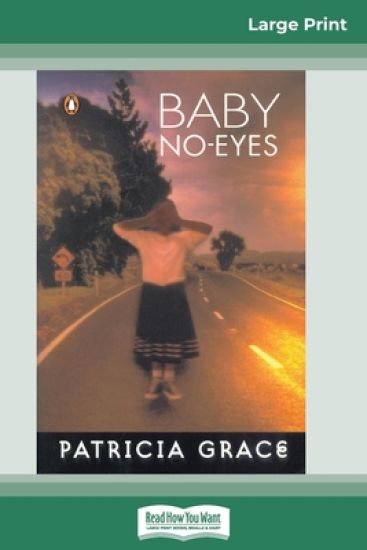
Tawera and his sister are inseparable, in a relationship that is impossible for others to share. In fact his whole family is bonded by secrets, their genealogy stitched together by pride, shame and sometimes despair. Baby No - eyes has several threads running through it. One is the death of Te Paania's child, which is based on the true story of a dead child who was returned to her whanau with her eyes missing. In the years after her death, Baby has a continuing presence throughout the novel. The second thread involves an iwi group, who are involved in a land claim that results in them occupying a downtown council site. The ghost of Baby No - eyes accompanies Gran Kura, Te Paania and Tawera, as Te Paania immerses herself in political issues and Tawera becomes a teenager, and as Gran reaches the end of her life.
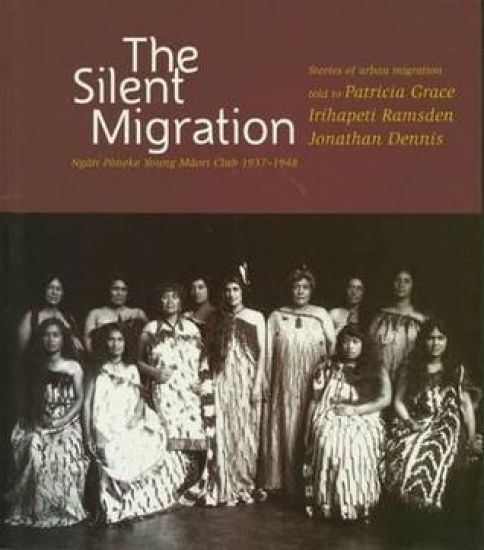
Finalist, Montana New Zealand Book Awards. The Silent Migration records the remarkable beginnings of the Ngati Poneke Young M?ori Club, the Wellington-based cultural group founded in the 1930s.

In this new novel acclaimed Maori novelist Patricia Grace visits the often terrifying and complex world faced by men of the Maori Battalion in Italy during World War II. Tu is proud of his name-the Maori god of war. But for the returned soldier there's, a shadow over his own war experience in Italy. Three brothers went to war, but only one returned-Tu is the sole survivor. Patricia Grace has drawn on the war experiences of her father and other relatives and ventured into new territory by writing about the world of war and soldiers. The result is a novel of great authenticly and high drama from one of the Pacific's finest story-tellers.
Tawera and his sister are inseparable, in a relationship that is impossible for others to share. In fact his whole whanau is bonded by secrets, a genealogy stitched together by shame, joy, love and sometimes grief. Patricia Grace's major new novel merges recent headlines with stories of a heartfelt family history. It is an account of the mysteries that operate at many levels between generations, where the present is the pivot, the center of the spiral, looking outward to the past and future that define it.
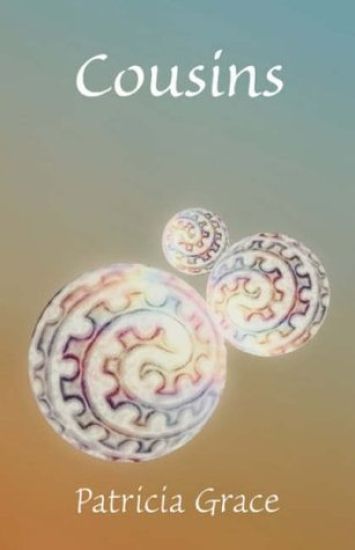
Mata, Makareta, and Missy, three Maori cousins, once shared a magical childhood moment. They have since followed separate and very different paths, yet their struggles offer insightful glimpses into the lives of contemporary New Zealand women. Patricia Grace's keen eye records the psychological, cultural, and political circumstances that colour and circumscribe their worlds in this engaging, compassionate story.
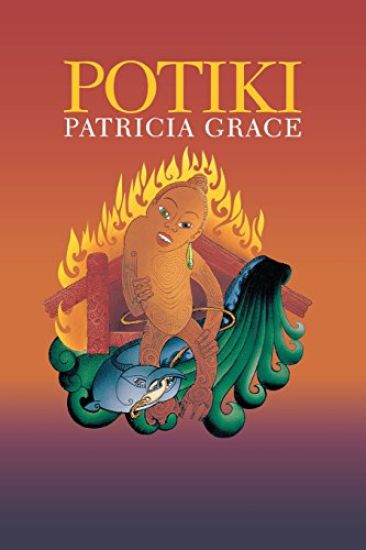
This compelling novel will resonate for people everywhere who find their livelihood threatened by Dollarmen -- property speculators advocating golf courses, high rises, shopping malls, and tourist attractions. In Potiki, one community's response to attacks on their ancestral values and symbols provides moving affirmation of the relationship between land and the people who live on it.