Kirjailija
Patricia Murphy
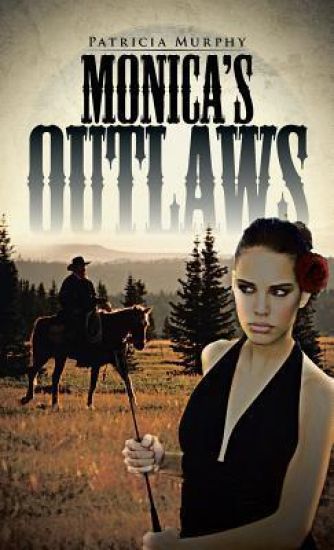
Kirjat ja teokset yhdessä paikassa: 26 kirjaa, julkaisuja vuosilta 1995-2026, suosituimpien joukossa Monica's Outlaws. Vertaile teosten hintoja ja tarkista saatavuus suomalaisista kirjakaupoista.
26 kirjaa
Kirjojen julkaisuhaarukka 1995-2026.
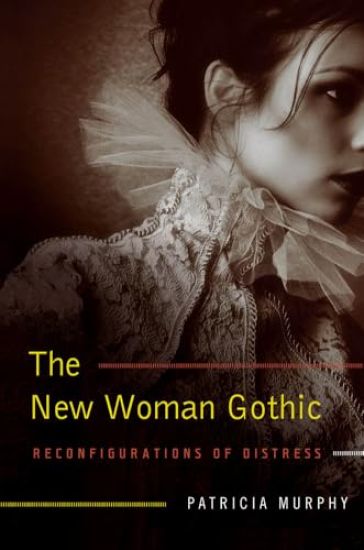
The controversial and compelling figure of the New Woman in late Victorian fiction has garnered extensive scholarly attention, but rarely has she been investigated through the fascinating lens of the Gothic. Yet the presence of sinister Gothic elements is so widespread in the generally realisitic British novels that the term "New Woman Gothic" readily comes to mind. Drawing from and reworking Gothic conventions of Romantic and later literature, the New Woman version is marshaled during this tumultuous cultural moment of gender anxieties either to defend or revile the complex individual who sought improvements in educational, marital, and professional realms.
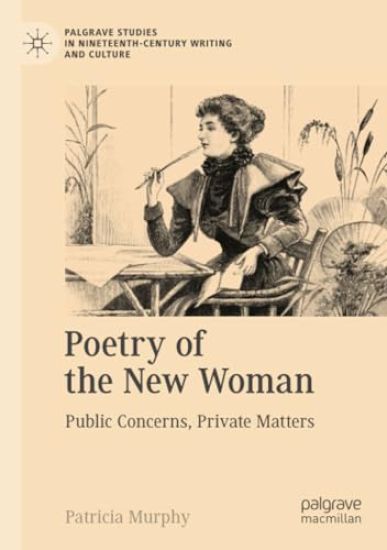
The New Woman sought vast improvements in Victorian culture that would enlarge educational, professional, and domestic opportunities. Although New Women resist ready classification or appraisal as a monolithic body, they tended to share many of the same beliefs and objectives aimed at improving female conditions. While novels about the iconoclastic New Woman have garnered much interest in recent decades, poetry from the cultural and literary figure has received considerably less attention. Yet the very issues that propelled New Woman fiction are integral to the poetry of the fin de siècle. This book – the first in-depth account on the subject – enriches our knowledge of exceptionally gifted writers, including Mathilde Blind, M. E. Coleridge, Olive Custance, and Edith Nesbit. It focuses on their long-neglected British verse, analyzing its treatment of crucial matters on both the personal and public level to provide the attention the poetry so richly deserves.
The New Woman sought vast improvements in Victorian culture that would enlarge educational, professional, and domestic opportunities. Although New Women resist ready classification or appraisal as a monolithic body, they tended to share many of the same beliefs and objectives aimed at improving female conditions. While novels about the iconoclastic New Woman have garnered much interest in recent decades, poetry from the cultural and literary figure has received considerably less attention. Yet the very issues that propelled New Woman fiction are integral to the poetry of the fin de siècle. This book – the first in-depth account on the subject – enriches our knowledge of exceptionally gifted writers, including Mathilde Blind, M. E. Coleridge, Olive Custance, and Edith Nesbit. It focuses on their long-neglected British verse, analyzing its treatment of crucial matters on both the personal and public level to provide the attention the poetry so richly deserves.
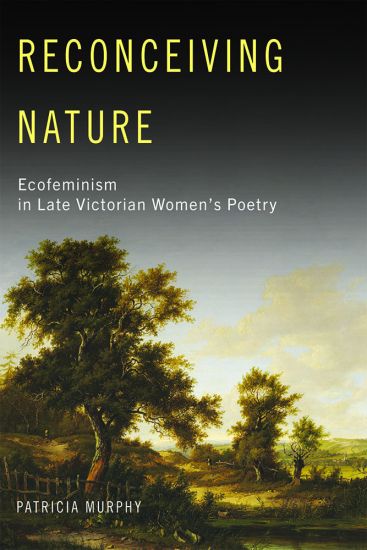
Glimmerings of ecofeminist theory that would emerge a century later can be detected in women's poetry of the later Victorian period. Patricia Murphy examines the work of six “proto-ecofeminist” poets - Augusta Webster, Mathilde Blind, Michael Field, Alice Meynell, Constance Naden, and L. S. Bevington - who contested the exploitation of the natural world. Challenging prevalent assumptions that nature is inferior, rightly subordinated, and deservedly manipulated, these poets instead “reconstructed” nature.
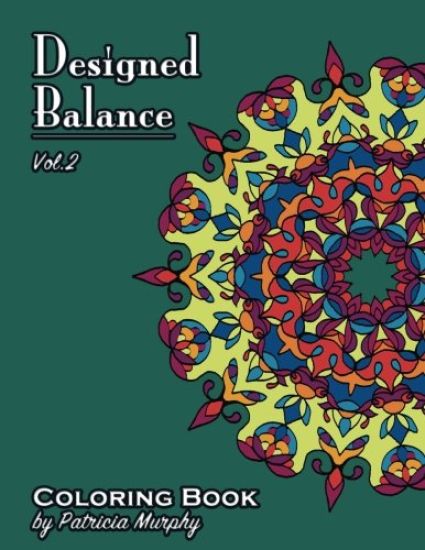
Designed Balance: Coloring Book
Patricia Murphy
Createspace Independent Publishing Platform
2017
nidottu
This is the second volume of beautiful and unique mandala designs for detailed coloring. Gel pens are recommended for an optimal coloring experience.
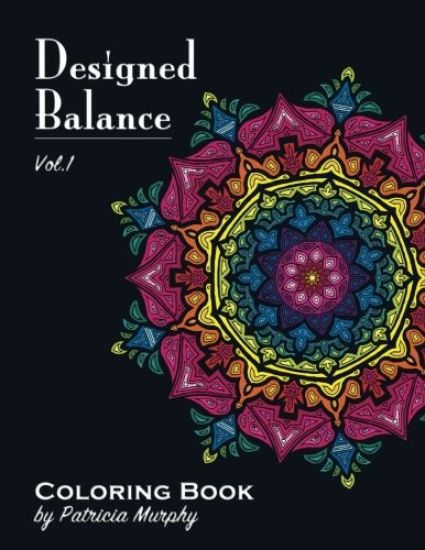
Designed Balance: Coloring Book
Patricia Murphy
Createspace Independent Publishing Platform
2017
nidottu

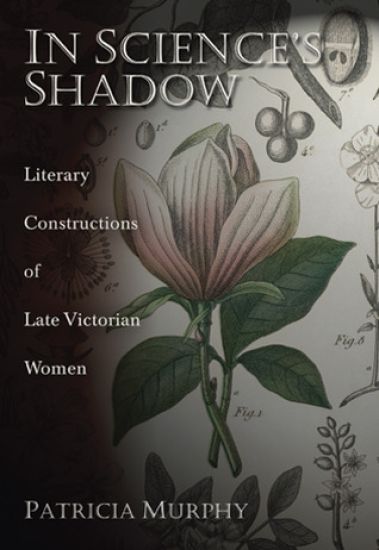
Patricia Murphy explores the tenuous interplay of gender and science to show how Victorian literature both challenged and reinforced a constrictive role for women. Focusing on a specific body of literature involving women intensely associated with scientific pursuits, and examining selected noncanonical writings, Murphy demonstrates how these works informed the ""Woman Question"" by reinforcing or rejecting presumed truths about gender and science. Some of these texts offer lucid insights into the ways in which women were defined, marginalized, and excluded. In his novel ""Two on a Tower"", Thomas Hardy presented science as a masculine realm threatened by female intrusion, while Wilkie Collins ""in Heart and Science"" depicted a woman interested in science as a villainous schemer who falls far short of the Victorian ideal of femininity. And although Charles Reade's novel ""A Woman-Hater"" was more sympathetic in its portrayal of a female physician, it continued to reinforce Victorian stereotypes. Murphy also shows us the poetry of science enthusiast Constance Naden, who used the language of the discipline to reflect its marginalization of women. She uses the travel memoirs of botanical painter, Marianne North, which reveal her attempts to achieve a gender-neutral voice to position her work within the Victorian scientific realm. These close readings show how prejudices about women's intellectual inferiority infiltrated popular culture.