Kirjojen hintavertailu. Mukana 12 523 520 kirjaa ja 12 kauppaa.
Kirjailija
Patricia Pulliam Phillips
Kirjat ja teokset yhdessä paikassa: 29 kirjaa, julkaisuja vuosilta 2007-2024, suosituimpien joukossa Performance Consulting: A Strategic Process to Improve, Measure, and Sustain Organizational Results. Vertaile teosten hintoja ja tarkista saatavuus suomalaisista kirjakaupoista.
Measuring the Success of Sales Training provides a framework of how to measure ROI in sales training and discusses the principles behind The Phillips ROI Methodology. The second half of the book delivers a broad array of case studies from many different disciplines from all over the world. These case studies will be ideal for anyone involved in the design, development, implementation, facilitation, or support of sales training and development programs. These studies show how these programs can be evaluated, pinpointing specific success factors along the way.
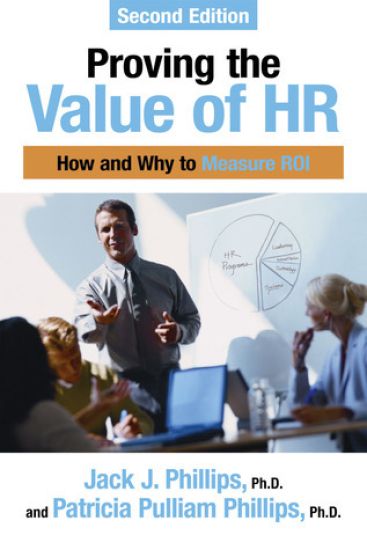
Measuring the return on investment (ROI) of human resources programs (HR) is critical for success in today's business world and is an absolute requirement for HR professionals who are part of the senior executive team. Responding to the current accountability demands that continue to challenge human resource professionals, this updated edition illustrates the use of ROI methodology as a communication tool that strengthens the relationship with senior management as well as a process-improvement tool that enhances and improves HR's contributions to the bottom line. With this guide, human resource managers will prove their value to their companies by learning how to measure ROI in a variety of programs, policies, practices, and solutions; develop the ROI of HR with basic, step-by-step instructions; and collect, analyze, and report data with sophistication.
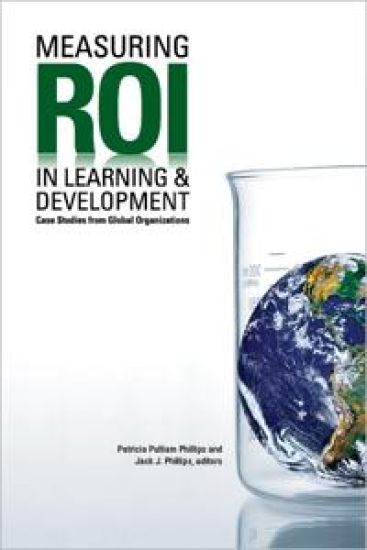
How do you accurately and effectively measure return on investment (ROI) in training and performance improvement? Measuring ROI in Learning and Development, a new volume with a focus on the international arena and including a selection of case studies, provides detailed information on how to create, develop, and sustain a comprehensive ROI evaluation system. A focus on accountability in measuring ROI in learning and performance improvement programs has produced a book filled with functional, pragmatic suggestions and examples that can be implemented in the real world.
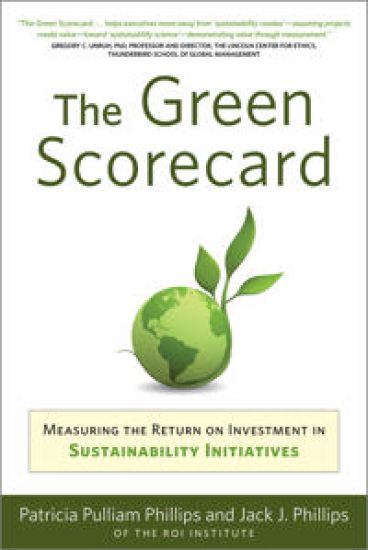
Too many organizations are currently caught in a “green slump,” struggling to engage in sustainability projects and making far less progress than they should be. Some businesses are striving to lead the way by equipping their facilities with new, energy-saving technologies or creating projects that contain post-consumer materials, whereas others may be just now implementing company-wide recycling programs. No matter which green initiative you choose, in order to succeed companies must adopt a results-based, return on investment (ROI) focus that helps them to identify, develop and implement green projects that add value—from an economic, environmental and societal perspective. In The Green scorecard, business leaders—from CEOs and CFOs to project managers and engineers—receive a reliable measurement and evaluation system that delivers credible data for decision makers. The valuable book, based on the ROI Institute’s internationally renowned methodology, gives you clear steps for determining the overall worth of green projects—for both the environment and the bottom line.
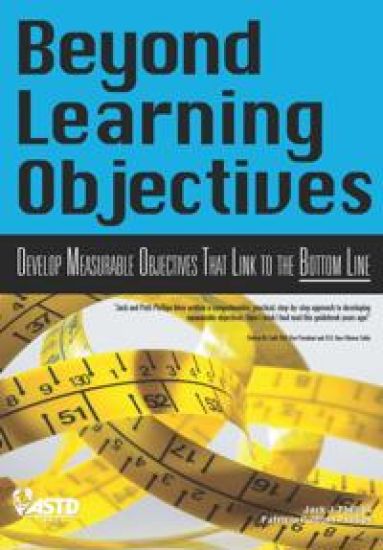
For decades, the emphasis in the training and development has been upon instructional objectives. But todayâ s organizations demand attention to higher-level objectivesâ objectives that clearly provide business impact and value and satisfy the expectations of key stakeholders. If youâ re involved in implementing projects, programs, initiatives, or solutions in your organization, Beyond Learning Objectives is the must-have guidebook that can help you meet these new expectations. This title provides step-by-step processes for defining, measuring, and developing six types of objectives: input, reaction, learning, application, impact, and ROI. Youâ ll also have help avoiding common pitfalls in the development of objectives, such as unclear, incomplete, non-specific or even missing objectives
ROI in Action Casebook offers a collection of ROI case studies that represent the classic use of the proven ROI Methodology. A companion volume to Jack J. Phillips and Patricia Pulliam Phillips?s six books in the Measurement and Evaluation series, this book clearly illustrates the ROI Methodology. The case studies represent a variety of applications in human resources, learning and development, and performance improvement. Each case follows the methodology and describes in detail how it was used to show the value of a particular project or program.
ROI Fundamentals ROI Fundamentals is the first of six books in the Measurement and Evaluation Series from Pfeiffer. The proven ROI Methodology--developed by the ROI Institute--provides a practical system for evaluation planning, data collection, data analysis, and reporting. All six books in the series offer the latest tools, most current research, and practical advice for measuring ROI in a variety of settings. ROI Fundamentals outlines the basic ROI Methodology and shows why measuring return on investment is such a valuable process. The book highlights the benefits of implementing an effective ROI model and also reveals the challenges organizations face when incorporating the ROI Methodology. Using real-world examples from international companies, the authors explore the types of organizations that are best suited for the ROI Methodology and suggest the optimal time to implement it. The book also offers step-by-step information for planning an effective ROI evaluation.
Data Collection Data Collection is the second of six books in the Measurement and Evaluation Series from Pfeiffer. The proven ROI Methodology--developed by the ROI Institute--provides a practical system for evaluation planning, data collection, data analysis, and reporting. All six books in the series offer the latest tools, most current research, and practical advice for measuring ROI in a variety of settings. Data Collection offers an effective process for collecting data that is essential to the implementation of the ROI Methodology. The authors outline the techniques, processes, and critical issues involved in successful data collection. The book examines the various methods of data collection, including questionnaires, interviews, focus groups, observation, action plans, performance contracts, and monitoring records. Written for evaluators, facilitators, analysts, designers, coordinators, and managers, Data Collection is a valuable guide for collecting data that are adequate in quantity and quality to produce a complete and credible analysis.
The Phillips ROI Methodology™ utilizes five levels of evaluation, which are essential in determining the return on investment. At Level 1 - Reaction and Planned Action, attendee and stakeholder satisfaction from the meeting can be measured. Almost all organizations evaluate at Level 1, usually with a generic, end-of-meeting questionnaire. While this level of evaluation is important as a “stakeholder” satisfaction measure, a favorable reaction does not ensure that attendees have acquired new skills, knowledge, opinions or attitudes from the meeting. At Level 2 - Learning, measurements focus on what participants learned during the meeting using tests, skill practices, role-plays, simulations, group evaluations, and other assessment tools. A learning check is helpful to ensure that attendees have absorbed the meeting material or messages and know how to use or apply it properly. It is also important at this level to determine the quantity and quality of new professional contacts acquired and whether existing professional contacts were strengthened due to the meeting. However, a positive measure at this level is no guarantee that what was learned or whether the professional contacts acquired will be used on the job. At Level 3 - Job Applications, a variety of follow-up methods can be used to determine if attendees applied on the job what they learned or acquired at the meeting. The frequency and use of skills are important measures at Level 3. While Level 3 evaluations are important to gauge the success of the meeting, it still does not guarantee that there will be a positive business impact in the organization or for the attendee. At Level 4 - Business Results, the measurement focuses on the actual business results achieved by meeting participants as they successfully apply the meeting material or messages. Typical Level 4 measures include output, sales, quality, costs, time and customer satisfaction. Although the meeting may produce a measurable business impact, there is still a concern that the meeting may cost too much. At Level 5 - Return on Investment, this ultimate level of measurement compares the monetary benefits from the meeting with the fully-loaded meeting costs as expressed in the ROI formula. All levels of evaluation must be conducted in order to determine the ROI of a meeting or event. The data collected should show a chain of impact occurring through the levels as the skills and knowledge learned (Level 2) are applied on the job (Level 3) to produce business results (Level 4).