Kirjojen hintavertailu. Mukana 12 290 406 kirjaa ja 12 kauppaa.

Kirjailija

Patrick Homan

Kirjat ja teokset yhdessä paikassa: 5 kirjaa, julkaisuja vuosilta 2015-2022, suosituimpien joukossa The Battle for U.S. Foreign Policy. Vertaile teosten hintoja ja tarkista saatavuus suomalaisista kirjakaupoista.

5 kirjaa

Kirjojen julkaisuhaarukka 2015-2022.

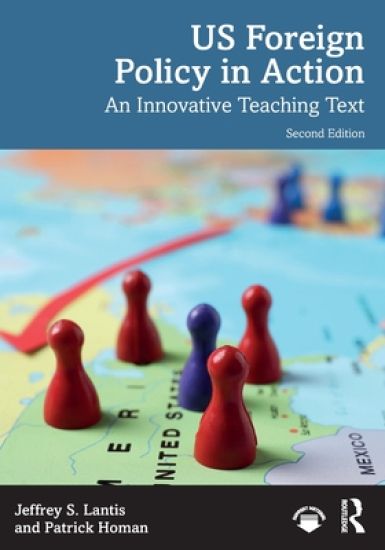
US Foreign Policy in Action

US Foreign Policy in Action

Jeffrey S. Lantis; Patrick Homan

TAYLOR FRANCIS LTD
2022
nidottu
This book represents a timely exploration of the dynamics of U.S.foreign policy development. It introduces historical developments and theories of U.S. foreign policy and engages students in the politics and debates of the foreign policy process (both directly and by proxy) through innovative learning exercises. This book offers a rich understanding of the politics behind clashing perspectives towards contemporary foreign policy challenges ranging from immigration policy controversies to COVID-19 pandemic responses, climate change to the China trade war. All of these issues are presented in dynamic ways that focus on activism and engagement in the policy process—and so this text speaks directly to a new generation of college students who have mobilized to political activism. The book is intended to serve as a core text for classes on U.S. foreign policy at the 200-level or above and will appeal to a broad audience. New to the Second Edition: Provides insights on contemporary foreign policy challenges facing the Biden administration and future presidents, such as climate change, the rise of China, sanctions and trade policies, and changing U.S. engagement in the Middle East. Offers stronger theoretical foundations for the study of domestic constraints in the foreign policy decision-making process, including the power of interest groups and political polarization in Congress. Explains pedagogical treatments of online and hybrid learning applications, along with presenting new exercises to engage students both in person in the classroom and online. Presents more detailed and critical historical analyses of U.S. foreign policy, including greater attention to the U.S. as an imperial power and its implications for politics and society. Creates new and exciting active learning exercises for instructors and students, including role-playing simulations of global public health crisis management and group research projects on cybersecurity and immigration policy. Enriches the graphics and illustrations of foreign policy actors and processes in a full-color presentation. Analyzes contemporary foreign policy issues in the Trump and Biden administrations. Adds new web components and features, some authored by undergraduate students who are becoming experts in U.S. foreign policy. Includes new writing exercises and assignments designed to promote creative and critical thinking about foreign policy actors and processes.
US Foreign Policy in Action

US Foreign Policy in Action

Jeffrey S. Lantis; Patrick Homan

TAYLOR FRANCIS LTD
2022
sidottu
This book represents a timely exploration of the dynamics of U.S.foreign policy development. It introduces historical developments and theories of U.S. foreign policy and engages students in the politics and debates of the foreign policy process (both directly and by proxy) through innovative learning exercises. This book offers a rich understanding of the politics behind clashing perspectives towards contemporary foreign policy challenges ranging from immigration policy controversies to COVID-19 pandemic responses, climate change to the China trade war. All of these issues are presented in dynamic ways that focus on activism and engagement in the policy process—and so this text speaks directly to a new generation of college students who have mobilized to political activism. The book is intended to serve as a core text for classes on U.S. foreign policy at the 200-level or above and will appeal to a broad audience. New to the Second Edition: Provides insights on contemporary foreign policy challenges facing the Biden administration and future presidents, such as climate change, the rise of China, sanctions and trade policies, and changing U.S. engagement in the Middle East. Offers stronger theoretical foundations for the study of domestic constraints in the foreign policy decision-making process, including the power of interest groups and political polarization in Congress. Explains pedagogical treatments of online and hybrid learning applications, along with presenting new exercises to engage students both in person in the classroom and online. Presents more detailed and critical historical analyses of U.S. foreign policy, including greater attention to the U.S. as an imperial power and its implications for politics and society. Creates new and exciting active learning exercises for instructors and students, including role-playing simulations of global public health crisis management and group research projects on cybersecurity and immigration policy. Enriches the graphics and illustrations of foreign policy actors and processes in a full-color presentation. Analyzes contemporary foreign policy issues in the Trump and Biden administrations. Adds new web components and features, some authored by undergraduate students who are becoming experts in U.S. foreign policy. Includes new writing exercises and assignments designed to promote creative and critical thinking about foreign policy actors and processes.
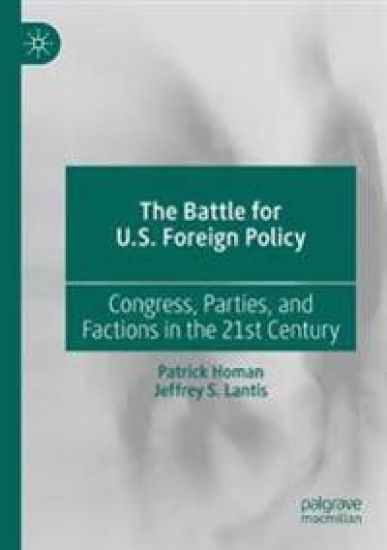
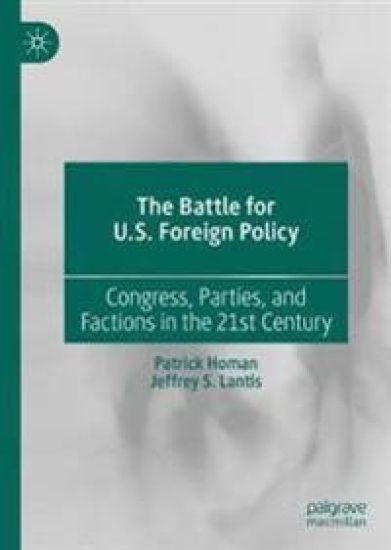
The Battle for U.S. Foreign Policy

The Battle for U.S. Foreign Policy

Patrick Homan; Jeffrey S. Lantis

Springer Nature Switzerland AG
2020
nidottu
This book is an original study of the contemporary debate over U.S. foreign policy between the president, members of Congress, and political parties. Specifically, it examines how factions at the ideological extremes within parties such as the Tea Party, the Freedom Caucus, and Progressive Democrats can play significant roles in shaping U.S. foreign policy. In today’s polarized atmosphere where Americans seem increasingly divided, factions are emerging as powerful insurgents, innovators, and engines of change. The book develops a minority theory of influence that recognizes the importance of traditional and nontraditional strategies including persuasion, legislation, and issue framing. Original case studies explore factions at work in foreign policy development during the Barack Obama and Donald Trump administrations, including struggles over immigration policy, trade agreements, development aid, and foreign policies toward Iran and Syria. The Battle for U.S. Foreign Policy captures the spirit of ideological and practical party struggles and fills a substantial gap in foreign policy analysis literature.
The Battle for U.S. Foreign Policy

The Battle for U.S. Foreign Policy

Patrick Homan; Jeffrey S. Lantis

Springer Nature Switzerland AG
2019
sidottu
This book is an original study of the contemporary debate over U.S. foreign policy between the president, members of Congress, and political parties. Specifically, it examines how factions at the ideological extremes within parties such as the Tea Party, the Freedom Caucus, and Progressive Democrats can play significant roles in shaping U.S. foreign policy. In today’s polarized atmosphere where Americans seem increasingly divided, factions are emerging as powerful insurgents, innovators, and engines of change. The book develops a minority theory of influence that recognizes the importance of traditional and nontraditional strategies including persuasion, legislation, and issue framing. Original case studies explore factions at work in foreign policy development during the Barack Obama and Donald Trump administrations, including struggles over immigration policy, trade agreements, development aid, and foreign policies toward Iran and Syria. The Battle for U.S. Foreign Policy captures the spirit of ideological and practical party struggles and fills a substantial gap in foreign policy analysis literature.
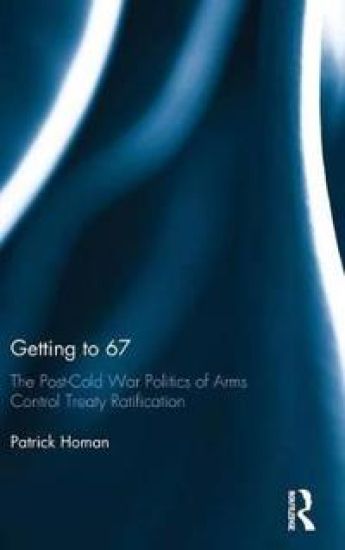
Getting to 67

Getting to 67

Patrick Homan

Routledge
2015
sidottu
All four post-Cold War presidents have attempted to negotiate and ratify at least one major arms control agreement. However, their experiences with arms control treaty ratification have differed greatly from those of their Cold War predecessors. The main theme of this book is that domestic politics have significantly impacted attempts to ratify arms control treaties in the polarized post-Cold War political environment. Each president and each treaty faced varying amounts of support and opposition from the numerous institutions and agents within American foreign policy-making. This book uses an eight-point analytical framework to examine five post-Cold War arms control treaty ratification debates in order to try and determine what political conditions or variables account for their success or failure.