Kirjojen hintavertailu. Mukana 12 390 323 kirjaa ja 12 kauppaa.

Kirjailija

Patrick J. Carr

Kirjat ja teokset yhdessä paikassa: 3 kirjaa, julkaisuja vuosilta 2005-2010, suosituimpien joukossa Clean Streets. Vertaile teosten hintoja ja tarkista saatavuus suomalaisista kirjakaupoista.

3 kirjaa

Kirjojen julkaisuhaarukka 2005-2010.

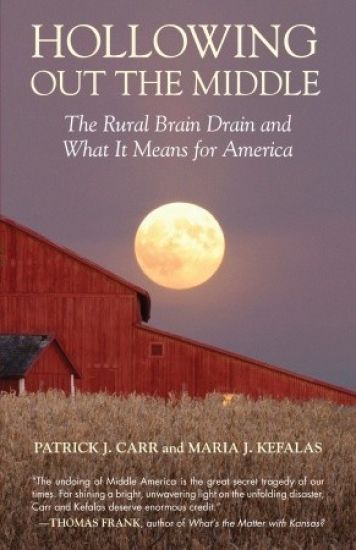
Hollowing Out the Middle

Hollowing Out the Middle

Patrick J. Carr; Maria J. Kefalas

Beacon Press
2010
pokkari
In 2001, with funding from the MacArthur Foundation, sociologists Patrick J. Carr and Maria J. Kefalas moved to Iowa to understand the rural brain drain and the exodus of young people from America's countryside. They met and followed working-class "stayers"; ambitious and college-bound "achievers"; "seekers," who head off to war to see what the world beyond offers; and "returners," who eventually circle back to their hometowns. What surprised them most was that adults in the community were playing a pivotal part in the town's decline by pushing the best and brightest young people to leave. In a timely, new afterword, Carr and Kefalas address the question "so what can be done to save our communities?" They profile the efforts of dedicated community leaders actively resisting the hollowing out of Middle America. These individuals have creatively engaged small town youth--stayers and returners, seekers and achievers--and have implemented a variety of programs to combat the rural brain drain. These stories of civic engagement will certainly inspire and encourage readers struggling to defend their communities.
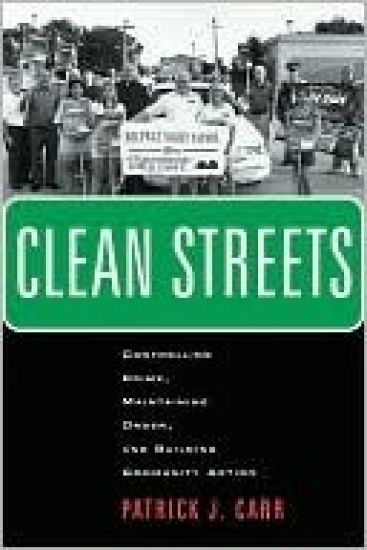
Clean Streets

Clean Streets

Patrick J. Carr

New York University Press
2005
sidottu
With the close proximity of gangs and the easy access to drugs, keeping urban neighborhoods safe from crime has long been a central concern for residents. In Clean Streets, Patrick Carr draws on five years of research in a white, working-class community on Chicago's South side to see how they tried to keep their streets safe. Carr details the singular event for this community and the resulting rise of community activism: the shootings of two local teenage girls outside of an elementary school by area gang members. As in many communities struck by similar violence, the shootings led to profound changes in the community's relationship to crime prevention. Notably, their civic activism has proved successful and, years after the shooting, community involvement remains strong. Carr mines this story of an awakened neighborhood for unique insights, contributing a new perspective to the national debate on community policing, civic activism, and the nature of social control. Clean Streets offers an important story of one community's struggle to confront crime and to keep their homes safe. Their actions can be seen as a model for how other communities can face up to similarly difficult problems.
Clean Streets

Clean Streets

Patrick J. Carr

New York University Press
2005
pokkari
With the close proximity of gangs and the easy access to drugs, keeping urban neighborhoods safe from crime has long been a central concern for residents. In Clean Streets, Patrick Carr draws on five years of research in a white, working-class community on Chicago's South side to see how they tried to keep their streets safe. Carr details the singular event for this community and the resulting rise of community activism: the shootings of two local teenage girls outside of an elementary school by area gang members. As in many communities struck by similar violence, the shootings led to profound changes in the community's relationship to crime prevention. Notably, their civic activism has proved successful and, years after the shooting, community involvement remains strong. Carr mines this story of an awakened neighborhood for unique insights, contributing a new perspective to the national debate on community policing, civic activism, and the nature of social control. Clean Streets offers an important story of one community's struggle to confront crime and to keep their homes safe. Their actions can be seen as a model for how other communities can face up to similarly difficult problems.