Kirjojen hintavertailu. Mukana 12 595 353 kirjaa ja 12 kauppaa.
Kirjailija
Paul A. Volcker
Kirjat ja teokset yhdessä paikassa: 8 kirjaa, julkaisuja vuosilta 2003-2020, suosituimpien joukossa A Primer on Money, Banking, and Gold (Peter L. Bernstein's Finance Classics). Vertaile teosten hintoja ja tarkista saatavuus suomalaisista kirjakaupoista.
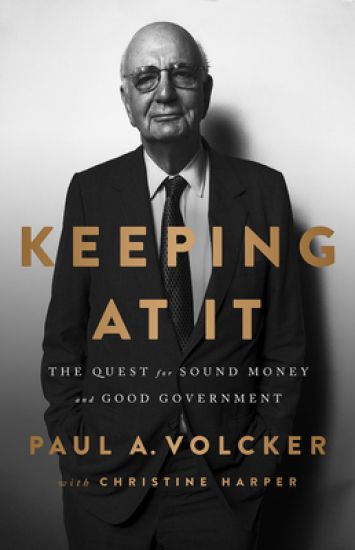
As chairman of the Federal Reserve (1979-1987), Paul Volcker slayed the inflation dragon that was consuming the American economy and restored the world's faith in central bankers. That extraordinary feat was just one pivotal episode in a decades-long career serving six presidents.Told with wit, humour, and down-to-earth erudition, the narrative of Volcker's career illuminates the changes that have taken place in American life, government, and the economy since World War II. He vibrantly illustrates the crises he managed alongside the world's leading politicians, central bankers, and financiers. Yet he first found his model for competent and ethical governance in his father, the town manager of Teaneck, NJ, who instilled Volcker's dedication to absolute integrity and his "three verities" of stable prices, sound finance, and good government.
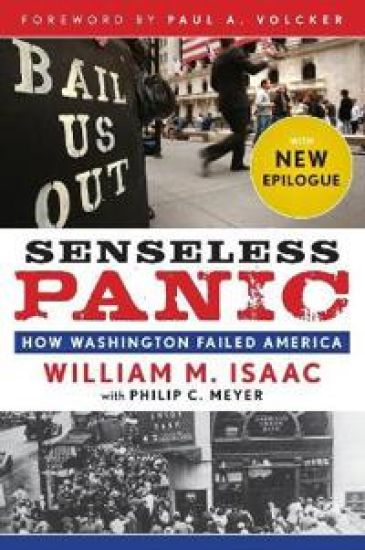
The truth about the 2008 economic crisis from a Washington insider The 1980s opened with the prime interest rate at an astonishing 21.5 percent, leading to a severe recession with unemployment reaching nearly 11 percent. Depression-like conditions befell the country, the entire thrift industry was badly insolvent and the major money center banks were loaded with third world debt. Some 3,000 bank and thrifts failed, including nine of Texas’ ten largest, and Continental Illinois, which, at the time, was the seventh largest bank in the nation. These severe conditions were not only handled without creating a panic, the economy actually embarked on the longest peacetime expansion in history. In Senseless Panic: How Washington Failed America, William M. Isaac, Chairman of the Federal Deposit Insurance Corporation (FDIC) during the banking and S&L crises of the 1980s, details what was different about 2008’s meltdown that allowed the failure of a comparative handful of institutions to nearly shut down the world’s financial system. The book also tells the rousing story of Isaac’s time at the FDIC. Details the mistakes that led to the panic of 2008 and 2009An updated paperback revision of the bestselling book on the 2008 economic crisis, including a fascinating new EpilogueDemystifies the conditions America faced in 2008Provides a road map for avoiding similar shutdowns and panics in the futureIncludes a foreword by Federal Reserve Chairman Paul Volcker Senseless Panic is a provocative, quick-paced, and thoughtful analysis of what went wrong with the nation's banking system, a blunt indictment of United States policy, and a road map for making sure it doesn’t happen again.
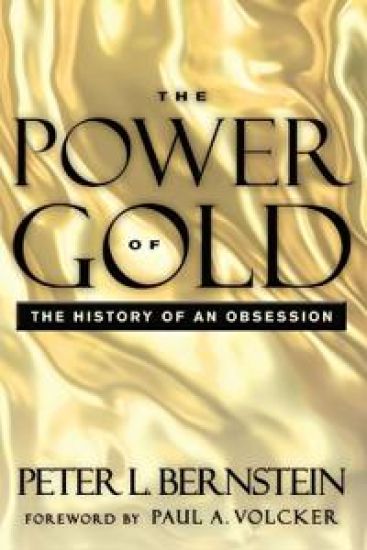
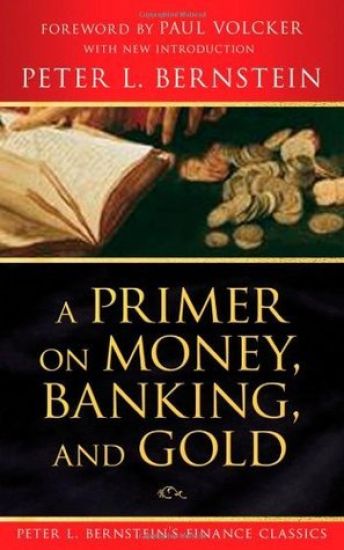
"The need for realism in reform of its monetary system is what makes Bernstein’s story of the Power of Gold so timely. It is a compelling reminder that maintaining a fixed price for gold and fixed exchange rates were difficult even in a simpler financial environment….Peter Bernstein was reluctant to project the story of gold into the future. But to me his message was clear. Yes, gold will be with us, valued not only for its intrinsic qualities but as a last refuge and store of value in turbulent times. But its days as money, as a means of payment and a fixed unit of account are gone." —From the New Foreword by Paul Volcker This bestselling book reveals a record of human nature in the ubiquity of gold with a new foreword by Paul Volcker In this exciting book, the late Peter L. Bernstein tells the story of history's most coveted, celebrated, and inglorious asset: gold. From the ancient fascinations of Moses and Midas through the modern convulsions caused by the gold standard and its aftermath, gold has led many of its most eager and proud possessors to a bad end. And while the same cycle of obsession and desperation may reverberate in today's fast-moving, electronically-driven markets, the role of gold in shaping human history is the striking feature of this tumultuous tale. Such is the power of gold. Whether it is Egyptian pharaohs with depraved tastes, the luxury-mad survivors of the Black Death, the Chinese inventor of paper money, the pirates on the Spanish Main, or the hardnosed believers in the international gold standard, gold has been the supreme possession. It has been an icon for greed and an emblem of rectitude, as well as a vehicle for vanity and a badge of power that has shaped the destiny of humanity through the ages. Discusses the beginnings of gold as something with magical, religious, and artistic qualities and follows its trail as we progress to the invention of coinage, the transformation of gold into money, and the gold standardOther bestselling books by the late Peter Bernstein: Against the Gods, Capital Ideas, and Capital Ideas EvolvingContemplates gold from the diverse perspectives of monarchs and moneyers, potentates and politicians, men of legendary wealth and others of more plebeian beginnings Far more than a tale of romantic myths, daring explorations, and the history of money and power struggles, The Power of Gold suggests that the true significance of this infamous element may lie in the timeless passions it continues to evoke, and what this reveals about ourselves.
The federal government is having increasing difficulty faithfully executing the laws, which is what Alexander Hamilton called “the true test” of a good government. This book diagnoses the symptoms, explains their general causes, and proposes ways to improve the effectiveness of the federal government. Employing Hamilton’s seven measures of an energetic federal service, Paul Light shows how the government is wanting in each measure.After assessing the federal report card, Light offers a comprehensive agenda for reform, including new laws limiting the number of political appointees, reducing the layers of government management, reducing the size of government as its Baby Boom employees retire, revitalizing the federal career, and reducing the heavy outsourcing of federal work. Although there are many ways to fix each of the seven problems with government, only a comprehensive agenda will bring the kind of reform needed to reverse the overall erosion of the capacity to faithfully execute all the laws.
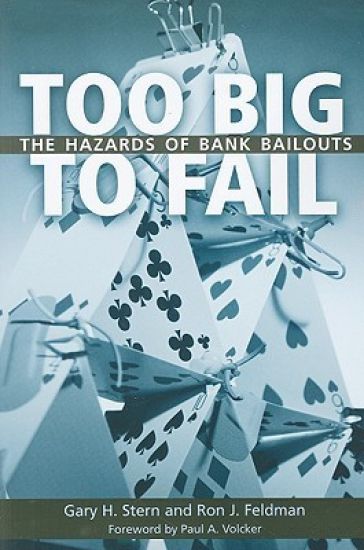
"The potential failure of a large bank presents vexing questions for policymakers. It poses significant risks to other financial institutions, to the financial system as a whole, and possibly to the economic and social order. Because of such fears, policymakers in many countries—developed and less developed, democratic and autocratic—respond by protecting bank creditors from all or some of the losses they otherwise would face. Failing banks are labeled ""too big to fail"" (or TBTF). This important new book examines the issues surrounding TBTF, explaining why it is a problem and discussing ways of dealing with it more effectively.Gary Stern and Ron Feldman, officers with the Federal Reserve, warn that not enough has been done to reduce creditors' expectations of TBTF protection. Many of the existing pledges and policies meant to convince creditors that they will bear market losses when large banks fail are not credible, resulting in significant net costs to the economy. The authors recommend that policymakers enact a series of reforms to reduce expectations of bailouts when large banks fail."
One of the foremost financial writers of his generation, Peter Bernstein has the unique ability to synthesize intellectual history and economics with the theory and practice of investment management. Now, with classic titles such as Economist on Wall Street, A Primer on Money, Banking, and Gold, and The Price of Prosperity—which have forewords by financial luminaries and new introductions by the author—you can enjoy some of the best of Bernstein in his earlier Wall Street days. With the proliferation of financial instruments, new areas of instability, and innovative capital market strategies, many economists and investors have lost sight of the fundamentals of the financial system—its strengths as well as its weaknesses. A Primer on Money, Banking, and Gold takes you back to the beginning and sorts out all the pieces. Peter Bernstein skillfully addresses how and why commercial banks lend and invest, where money comes from, how it moves from hand to hand, and the critical role of interest rates. He explores the Federal Reserve System and the consequences of the Fed's actions on the overall economy. But this book is not just about the past. Bernstein's novel perspective on gold and the dollar is critical for today's decision makers, as he provides extensive views on the future of money, banking, and gold in the world economy. This illuminating story about the heart of our economic system is essential reading at a time when developments in finance are more important than ever.
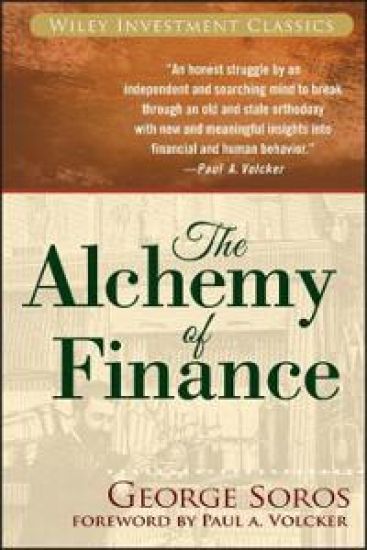
New chapter by Soros on the secrets to his success along with a new Preface and Introduction. New Foreword by renowned economist Paul Volcker "An extraordinary . . . inside look into the decision-making process of the most successful money manager of our time. Fantastic."—The Wall Street Journal George Soros is unquestionably one of the most powerful and profitable investors in the world today. Dubbed by BusinessWeek as "the Man who Moves Markets," Soros made a fortune competing with the British pound and remains active today in the global financial community. Now, in this special edition of the classic investment book, The Alchemy of Finance, Soros presents a theoretical and practical account of current financial trends and a new paradigm by which to understand the financial market today. This edition's expanded and revised Introduction details Soros's innovative investment practices along with his views of the world and world order. He also describes a new paradigm for the "theory of reflexivity" which underlies his unique investment strategies. Filled with expert advice and valuable business lessons, The Alchemy of Finance reveals the timeless principles of an investing legend. This special edition will feature a new chapter by Soros on the secrets of his success and a new Foreword by the Honorable Paul Volcker, former Chairman of the Federal Reserve. George Soros (New York, NY) is President of Soros Fund Management and Chief Investment Advisor to Quantum Fund N.V., a $12 billion international investment fund. Besides his numerous ventures in finance, Soros is also extremely active in the worlds of education, culture, and economic aid and development through his Open Society Fund and the Soros Foundation.